Flying isn't the only way from Barcelona to Mallorca, Ibiza, or Menorca — a ferry gets you there too, and for some trips it's the better choice: no airport security theater, room to bring more luggage or a car, and if you take an overnight sailing, you save a hotel night while you sleep through the crossing. Here's how the crossing actually works, operator by operator and route by route.
Who runs the route
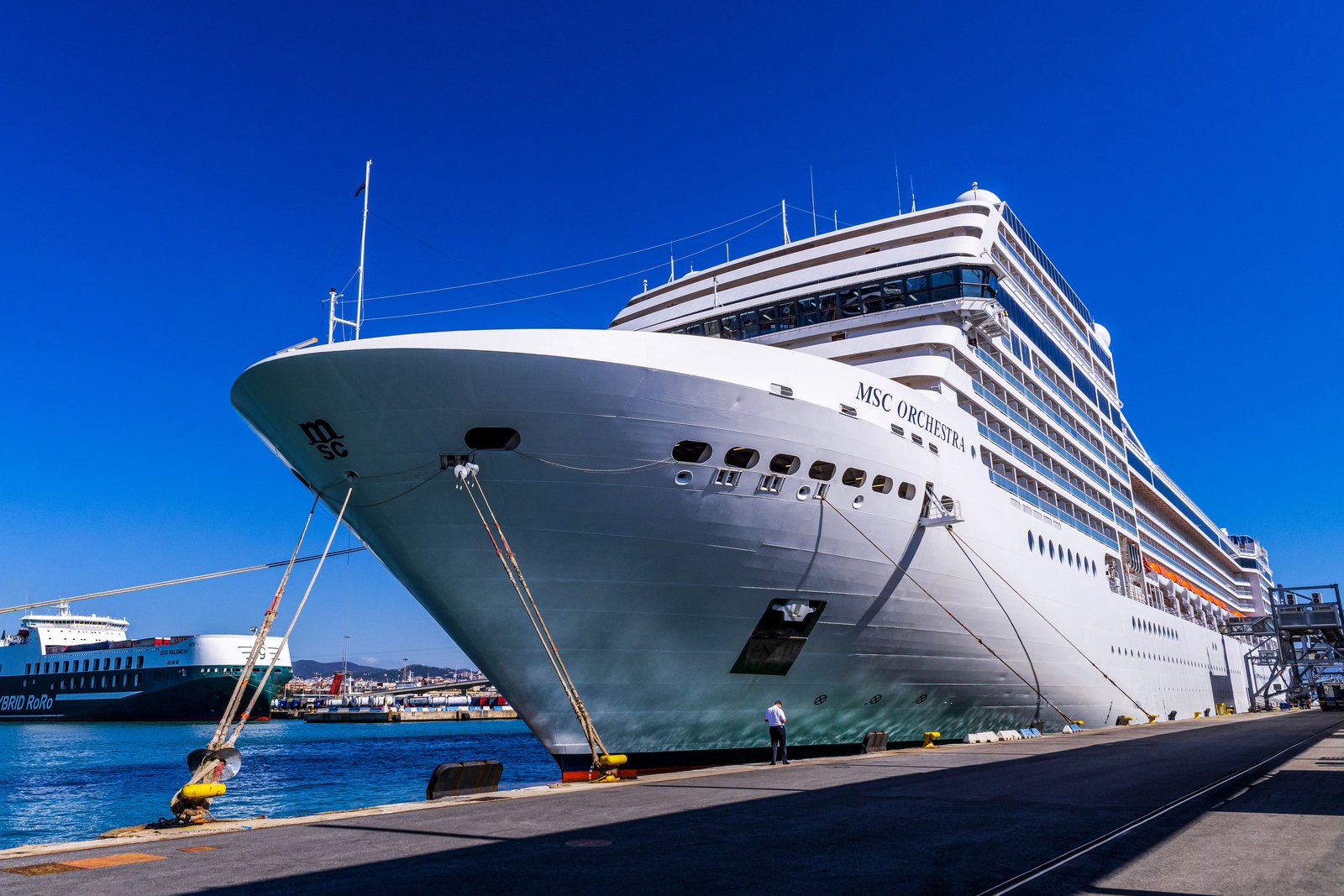
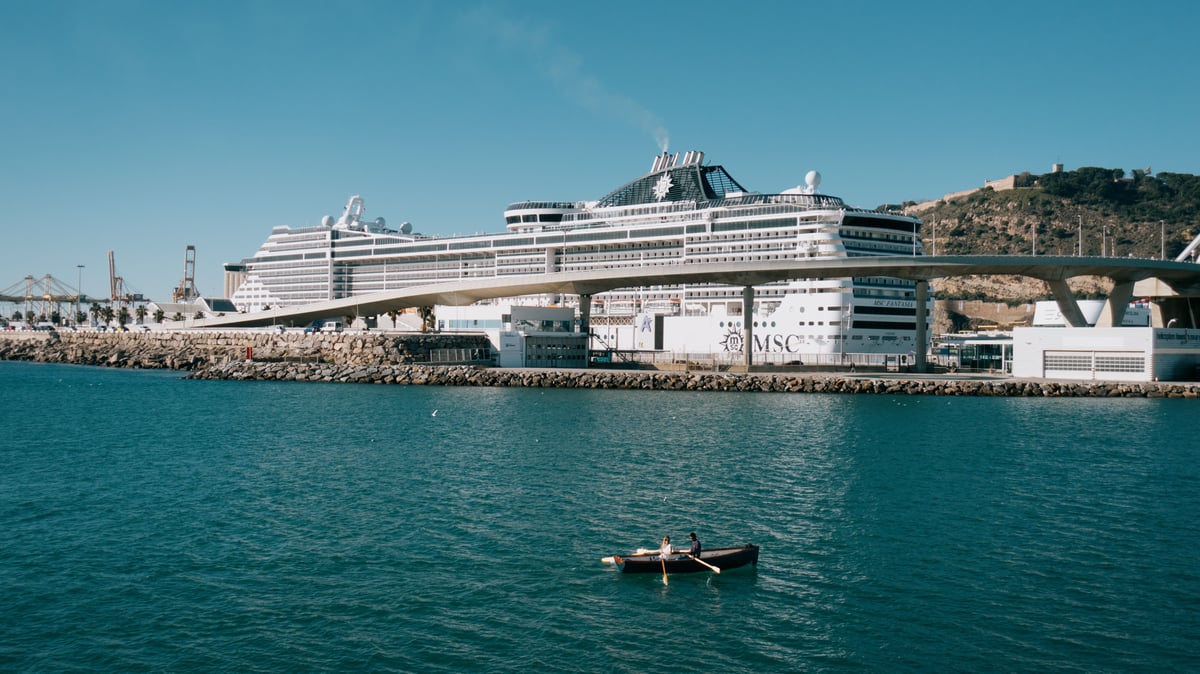
Three operators currently sail from Barcelona to the Balearics: Baleària and Trasmediterránea are the two long-established names, and GNV (Grandi Navi Veloci) also runs the corridor, with routes to Palma de Mallorca, Ibiza, and Mahón (Menorca) all appearing on its own schedule. All three depart from the Port de Barcelona, though not always from the same terminal — terminal assignment varies by operator and sometimes by sailing, so treat the terminal printed on your actual ticket as the source of truth rather than assuming. Give yourself extra time to find the right terminal, especially if you're bringing a car.
Fast ferry vs overnight ferry
Both formats run on this corridor, and the right one depends on what you're optimizing for. A fast ferry gets you there in a few hours during the day — it costs more, has fewer cabin options, and can feel rougher in bad weather, but it doesn't burn an evening. A conventional overnight ferry is cheaper, gives you a cabin to actually sleep in, and gets you off the boat rested with a full day ahead — the classic choice if you're bringing a car or traveling on a budget. Fast options aren't offered on every sailing or every route, so check what's actually running on your dates before assuming you have both choices.
Route by route
To Palma de Mallorca: a conventional crossing runs roughly 6–8.5 hours; where a fast option runs, expect roughly 2.5–3.5 hours.
To Ibiza: mostly overnight conventional sailings in the roughly 8–10 hour range; a same-day fast option isn't consistently available on this leg.
To Menorca (Mahón): more seasonal than the other two, running mostly in summer; where direct, figure roughly 7–10 hours conventional or 3.5–5.5 hours fast.
Fares move constantly with season and how far ahead you book, so check current pricing directly on the operator's site rather than trusting any number you see quoted elsewhere — this is exactly the kind of figure that goes stale within weeks.
Booking advice
In July and August, book weeks to months ahead, especially if you want a cabin or a car space — those sell out first. Foot passengers have more last-minute flexibility outside peak season. Compare the operator's own site (Baleària, Trasmediterránea, or GNV directly) against an aggregator like Direct Ferries — fares and terms aren't always mirrored, and the operator's own site is usually clearer about change and cancellation policies if your plans shift.
Getting to the terminal and what to expect on board
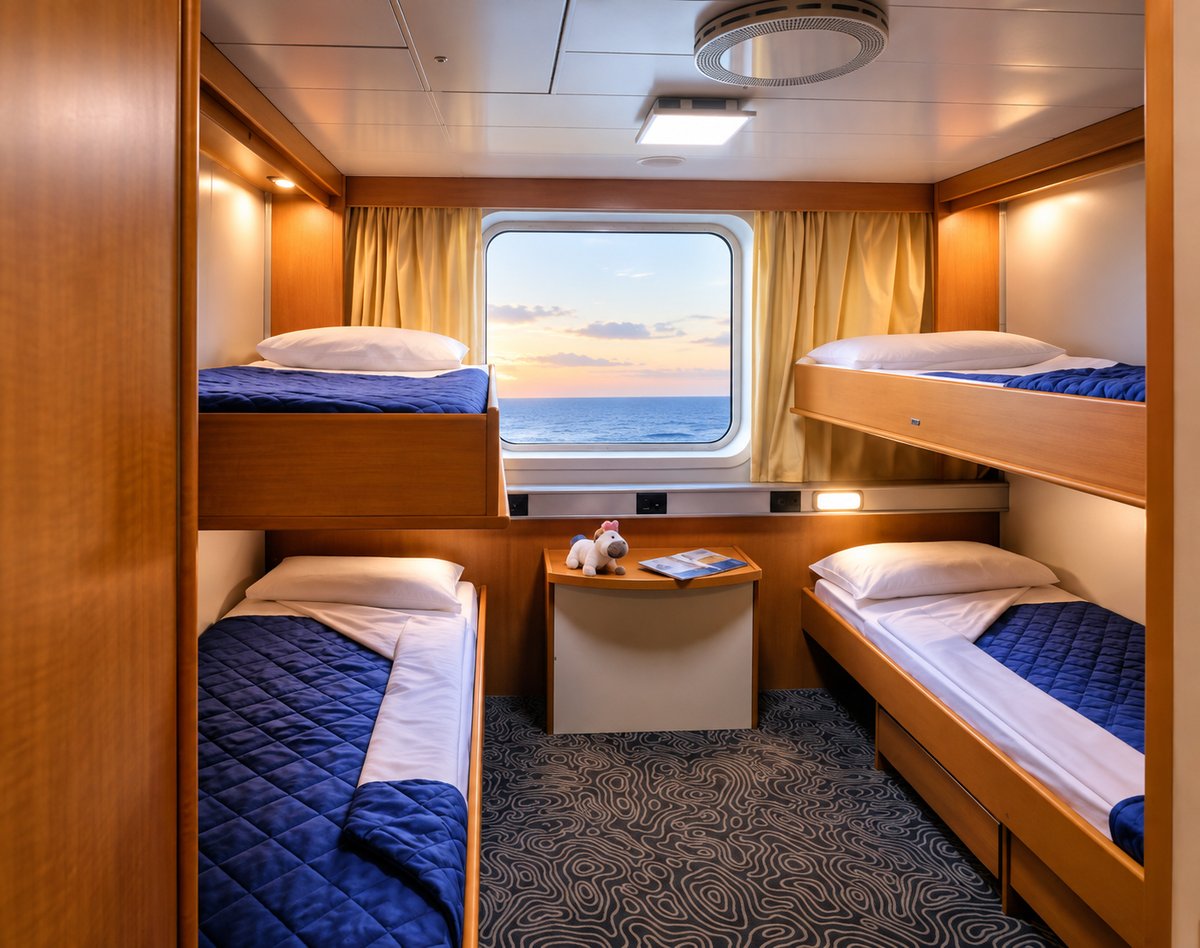
Check in at least an hour before departure for a foot-passenger ticket, and considerably more if you're bringing a car — vehicle check-in windows close earlier and queues build fast in summer. Foot passengers can typically bring normal luggage without the tight weight limits airlines enforce, which is one of the ferry's quiet advantages if you're arriving with beach gear, a car seat, or anything else awkward to fly with. On board, expect the basics — seating lounges, a café or bar, deck access — with overnight sailings adding cabins ranging from a shared berth to a private outside cabin with a window; book the cabin grade early in summer, since the cheapest options sell out first.
Frequency changes a lot by season
Summer (roughly June–September) brings daily or near-daily sailings on the Palma and Ibiza routes, with Menorca's schedule filling in alongside them. Outside that window, frequency drops — sometimes to a few sailings a week per route — so a winter or shoulder-season trip needs more schedule-checking up front than a summer one, where you can be more relaxed about locking in the exact day.
Which one should you pick
Traveling light and time-limited: the fast ferry, when your route and dates offer one.
Bringing a car, or watching your budget: the overnight conventional ferry — book a cabin and treat the crossing as a free night's accommodation.
Prone to seasickness: the larger conventional ferries generally handle rough water more comfortably than a fast catamaran-style vessel.
Traveling with family: the slower boat's extra space and onboard amenities tend to suit a family better than a fast, no-frills crossing.
Whichever you choose, the ferry is a genuinely pleasant alternative to flying for this route — no shrinking security lines, no baggage fees that creep up with every airline, and on the overnight option, a crossing that quietly does double duty as your hotel for the night.
FAQ
Which ferry companies sail from Barcelona to the Balearics?
Baleària, Trasmediterránea, and GNV (Grandi Navi Veloci) all currently operate this corridor, sailing to Palma de Mallorca, Ibiza, and Mahón (Menorca).
How long is the ferry from Barcelona to Mallorca?
A conventional crossing runs roughly 6–8.5 hours; a fast ferry, where available, takes roughly 2.5–3.5 hours. Exact schedules change by season, so check the operator's current timetable.
Is it better to take a fast ferry or an overnight ferry to the Balearics?
Depends on your priorities: fast saves a travel day but costs more and offers less comfort in rough seas; overnight is cheaper, gives you a cabin to sleep in, and works well if you're bringing a car or traveling on a budget.
Can I take a car on the ferry to Mallorca or Ibiza?
Yes, all three operators carry vehicles, but car spaces sell out weeks ahead in summer — book well in advance if you want to bring one.
How far ahead should I book a Balearic ferry?
For July–August sailings, book weeks to months ahead, especially for a cabin or car space. Outside peak season, foot passengers have more last-minute flexibility.
Keep planning
Not sure how the slots fit together?
Pick your trip length and we'll route a real day-by-day plan around the timed entries.