Getting around Barcelona by taxi is easy, cheap by US standards, and often the right call late at night or with luggage — but the Uber situation is genuinely confusing, and renting a car is almost always a mistake. This guide cuts through it: how taxis work, the real story on Uber and ride-hailing (which is in flux in 2026), and why you should think hard before renting a car in a city built for walking and metro.
Taxis: the reliable default
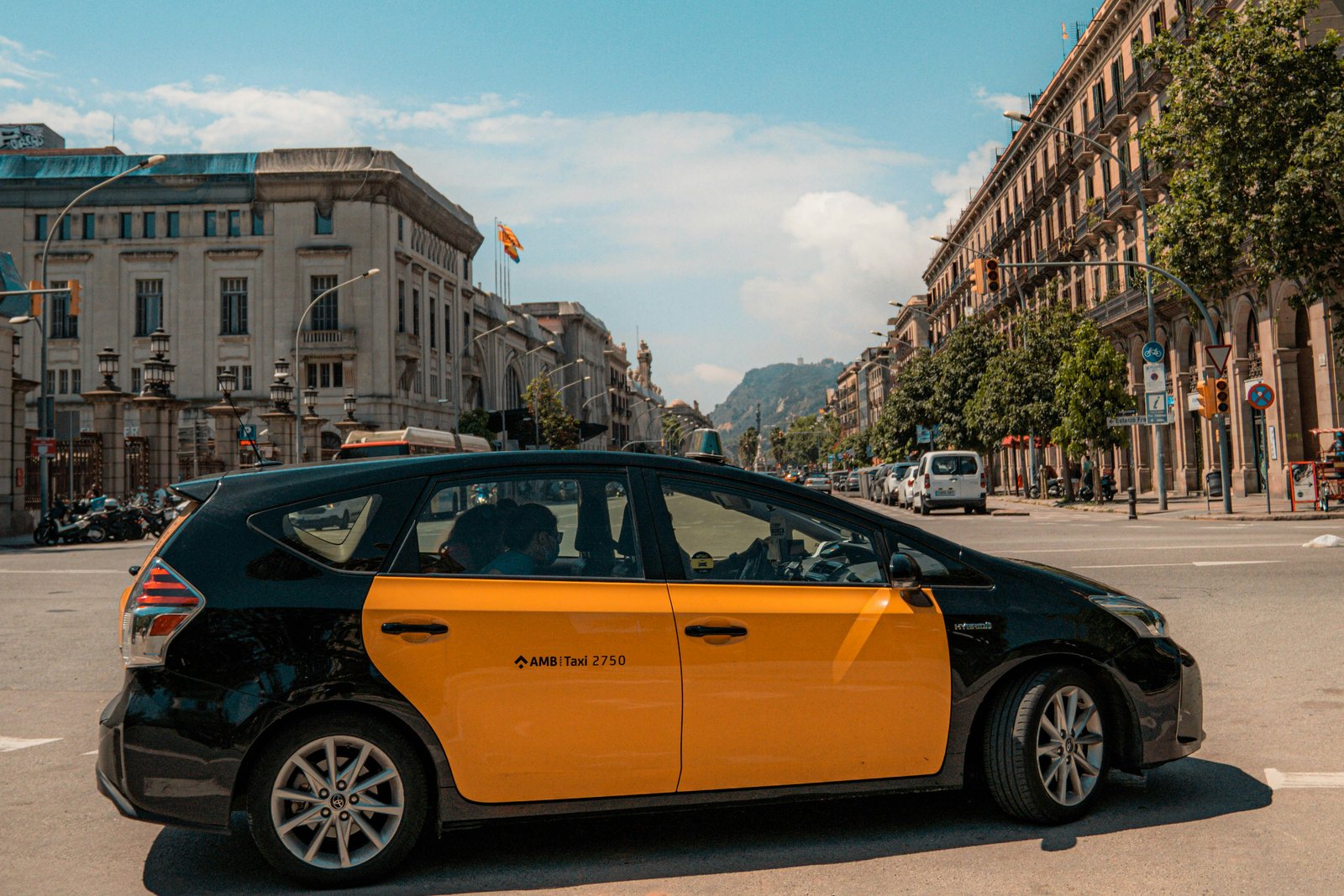
Barcelona's taxis are the easy, trustworthy way to get a direct ride. They're the iconic black-and-yellow cars, and there are over 10,000 of them — you're rarely more than a minute from one. Key things to know:
Hailing: a green rooftop light means available — flag one on the street or find a taxi rank. No app needed.
Cost: cheap by US standards — most in-city rides run roughly €8–€18. Metered and regulated, with set surcharges (airport, luggage, late night) posted in the cab.
Payment: most take cards, but confirm before you set off; carry some cash as backup.
Airport: there's a flat-rate taxi fare zone from the airport (~€39 to the center) — use the official rank, not anyone approaching you inside the terminal.
Tipping: not expected — round up to the nearest euro or two at most.
The taxi apps (better than Uber here)
To order a taxi by phone rather than hail one, the local apps work like ride-hailing but tap the regulated taxi fleet:
FreeNow — the most popular and useful; hail a licensed taxi, pay in-app, schedule ahead. The app most locals and savvy visitors use.
PideTaxi, Taxxilo and others — similar taxi-hailing apps.
These give you the convenience of Uber (app-based, cashless, English interface) while using Barcelona's plentiful regulated taxis — usually faster than ride-hailing here, since there are vastly more taxis than ride-hail cars.
The Uber situation (read this before relying on it)
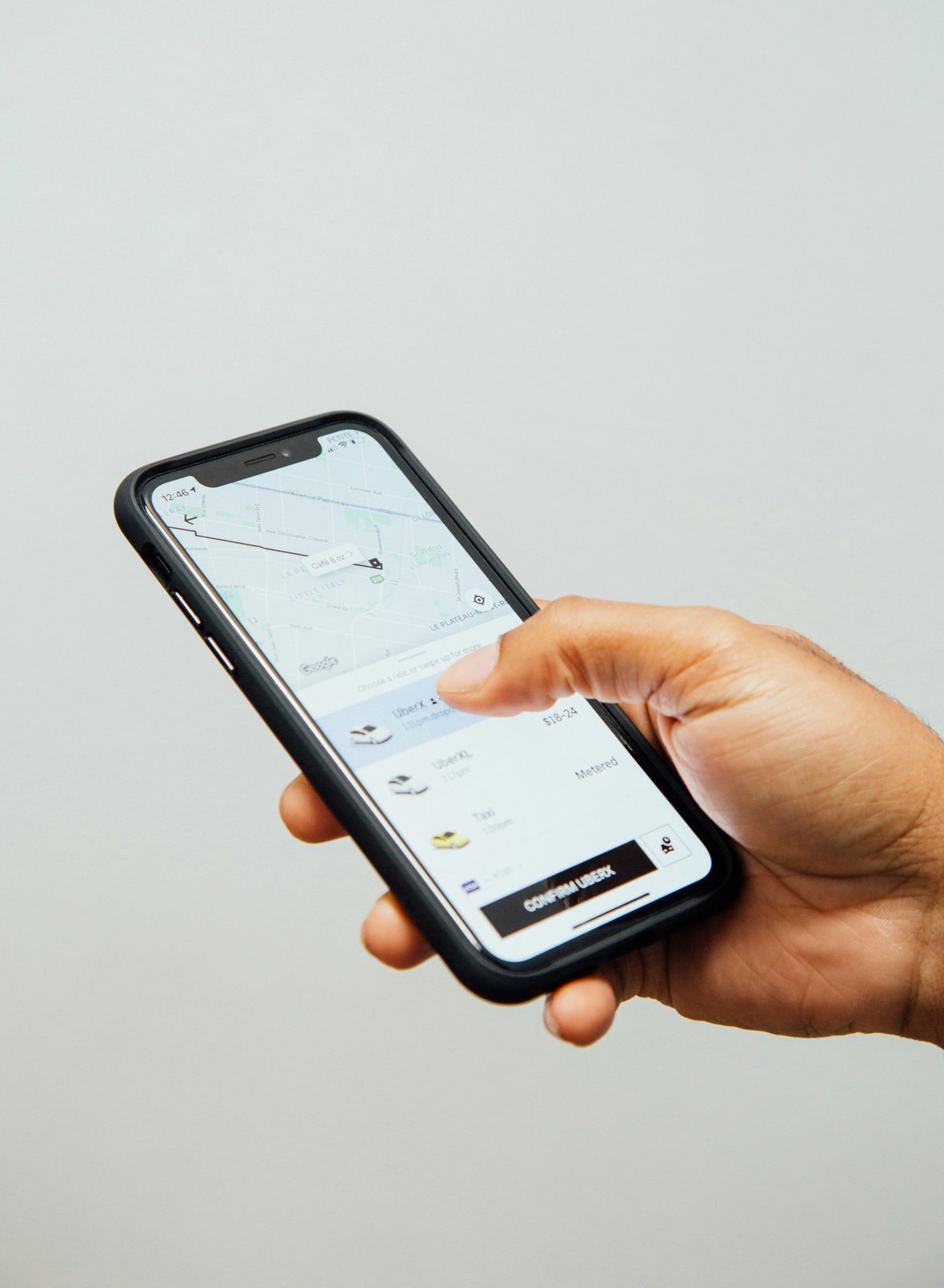
Here's the honest, current picture, because it trips up a lot of Americans expecting Uber to work like home. Uber, Cabify, and Bolt technically operate in Barcelona, but heavily restricted — they use licensed "VTC" vehicles (not regular taxis), you cannot street-hail them and must pre-book through the app, and there are under 1,000 of these VTC cars versus over 10,000 taxis, so waits are often longer and prices higher than just taking a taxi. On top of that, their future is genuinely uncertain: a Catalan transport law is set to phase out many of these VTC licenses, with changes expected to take full effect around the end of 2026 — potentially squeezing app-based ride-hailing out of the metropolitan area. The practical takeaway: don't count on Uber in Barcelona. Have FreeNow installed instead and use the abundant, cheap, regulated taxis — they're the reliable answer regardless of how the ride-hailing rules land. (Lyft doesn't operate in Spain at all.)
Should you rent a car? Almost certainly not
For a Barcelona city trip, renting a car is usually a mistake:
You don't need it. The city is superbly walkable, the metro is excellent and cheap, and taxis cover the rest. A car is pure liability in the center.
Parking is expensive and scarce, and much of the old city is restricted or pedestrianized.
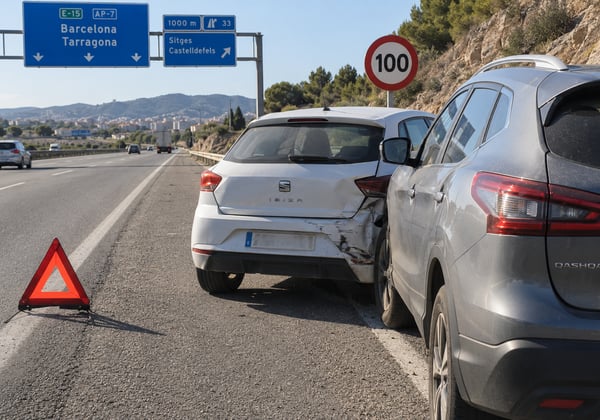
Low-emission zone (ZBE): central Barcelona is a regulated low-emission zone — non-compliant or unregistered foreign vehicles can face restrictions and fines, a real trap for visitors.
Traffic and confusing one-ways make driving stressful for the unfamiliar.
Theft: rental cars are targets; never leave anything visible.
When a car does make sense: only for specific out-of-town trips a car suits better than the train — the Costa Brava's hidden coves, rural Catalonia, a multi-stop road trip beyond the rail network. Even then, rent it for those days (pick up as you leave the city, drop off on return) rather than keeping a car parked in Barcelona. For everything within the city and the train-served day trips (Montserrat, Girona, Sitges, Figueres, Tarragona), skip the car entirely.
Bikes, scooters, and other options
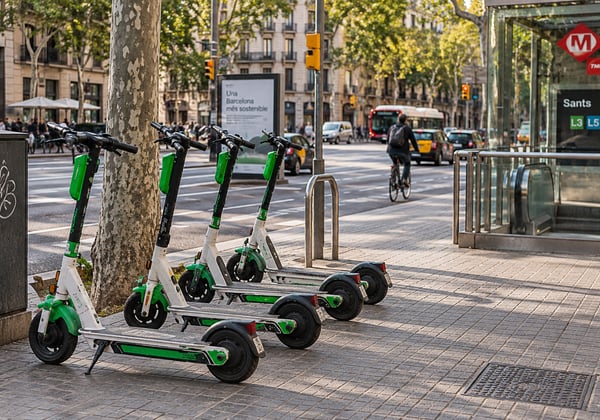
Beyond taxis and the metro, Barcelona offers a few more ways to get around worth knowing. The city is increasingly bike-friendly, with a growing network of protected bike lanes; while the public Bicing bike-share is really designed for residents (annual subscription, not tourist-friendly), private bike and e-bike rentals and bike tours are widely available and a pleasant way to cover the flat seafront and Eixample. Rental e-scooters and mopeds exist through various apps, though regulations have tightened and they're less beginner-friendly in city traffic — fine for the confident, skippable for most visitors. There's also the Aerobús and the airport trains for airport runs (covered in our airport guide), the tourist hop-on-hop-off bus for a first-day orientation if that's your style, and simple walking, which remains the best way to experience the dense, layered center — most of what first-timers want to see is closer together on foot than the metro map suggests. For the vast majority of trips, though, the winning combination is exactly the boring one: walk the center, metro across town, taxi when you need a direct door-to-door ride.
How to choose your ride
Most city trips: walk or metro — it's faster and cheaper than you'd expect.
Direct ride, luggage, late night, or rain: a taxi (hail one or use FreeNow).
Airport: Aerobús or train for value; taxi (flat ~€39) for convenience with bags.
Train-served day trips: the train, every time.
Off-the-rail-network exploring (Costa Brava coves, rural Catalonia): a rental car for those days only.
Don't: rely on Uber, or keep a rental car in the city.
FAQ
Does Uber work in Barcelona?
Sort of, but unreliably — Uber, Cabify, and Bolt operate with restricted VTC licenses, can't be street-hailed (you must pre-book), and are far outnumbered by taxis, so waits and prices are often worse. Their future is uncertain under a 2026 phase-out law. Use the FreeNow taxi app instead.
How much do taxis cost in Barcelona?
Cheap by US standards — most in-city rides run about €8–18, metered and regulated. The airport has a flat-rate fare (~€39 to the center). Tipping isn't expected; just round up.
What's the best taxi app?
FreeNow — it hails Barcelona's plentiful licensed taxis with the convenience of an app (cashless, English, scheduling). It's usually faster than Uber-style services here because there are far more taxis than ride-hail cars.
Should I rent a car in Barcelona?
Almost never for a city trip — it's walkable, the metro is excellent, parking is scarce and pricey, and a central low-emission zone can fine non-compliant cars. Rent only for specific out-of-town trips (like the Costa Brava coves), and just for those days.
How do I get around Barcelona without a car?
Easily — walk and use the metro for most trips, taxis (or FreeNow) for direct rides with luggage or late at night, and trains for day trips. The city is built for car-free travel, and you'll spend less and stress less without one.