A car accident is stressful anywhere, and doing it in a foreign country with a rental car adds a layer of not-knowing-the-process on top. The good news: Spain's procedure is standardized specifically so this isn't guesswork, and most rental cars already carry the one document that matters most.
First: safety, always
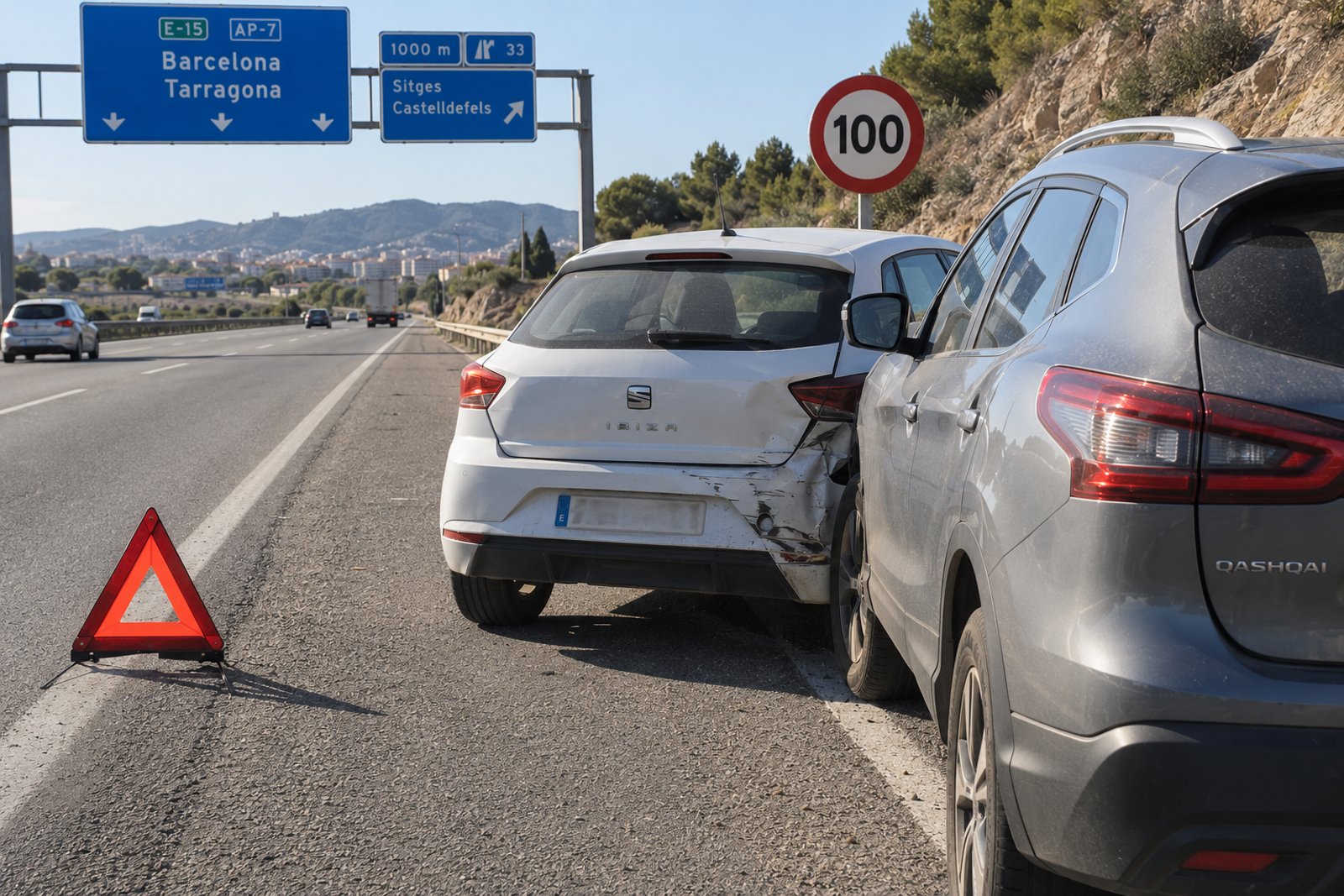
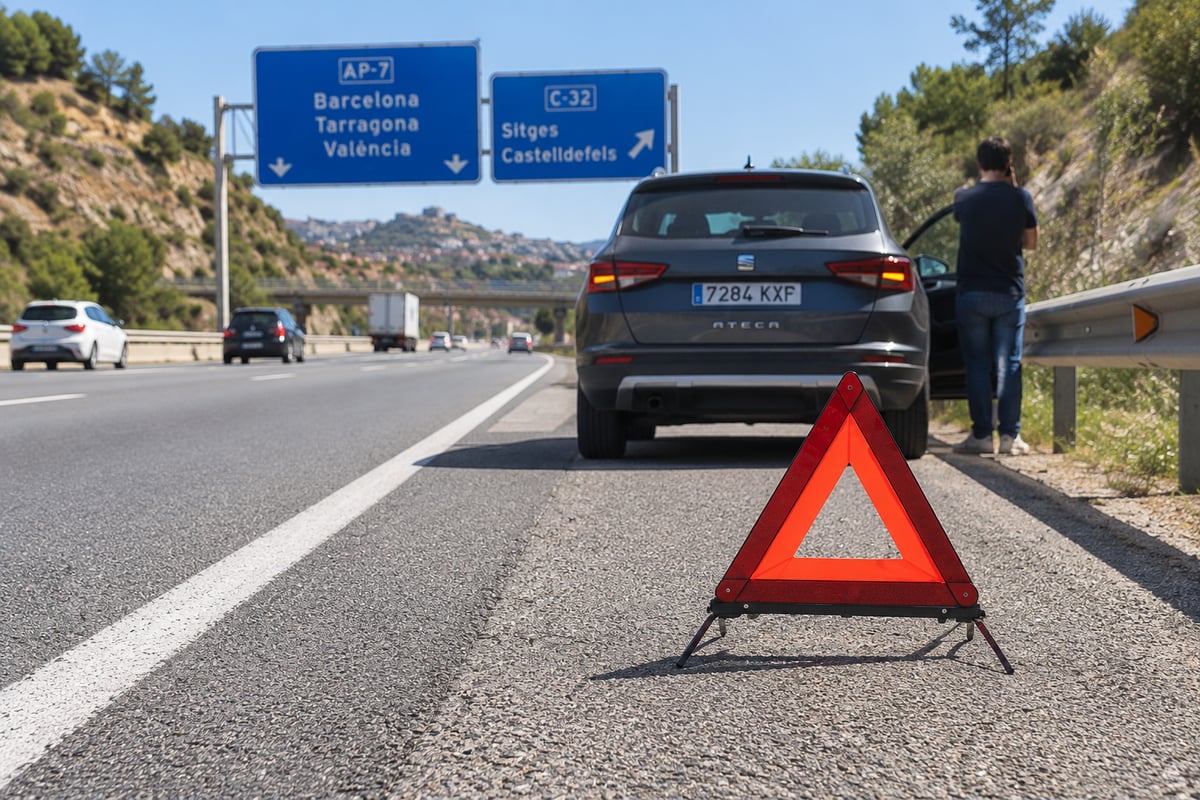
Put on hazard lights immediately. Spanish law requires reflective safety vests in the car — put them on before you exit the vehicle, especially on a highway shoulder. Set out the warning triangle if you have one and it's safe to do so. None of the paperwork below matters until everyone is physically safe and visible to oncoming traffic.
The form that makes this simple: the European Accident Statement
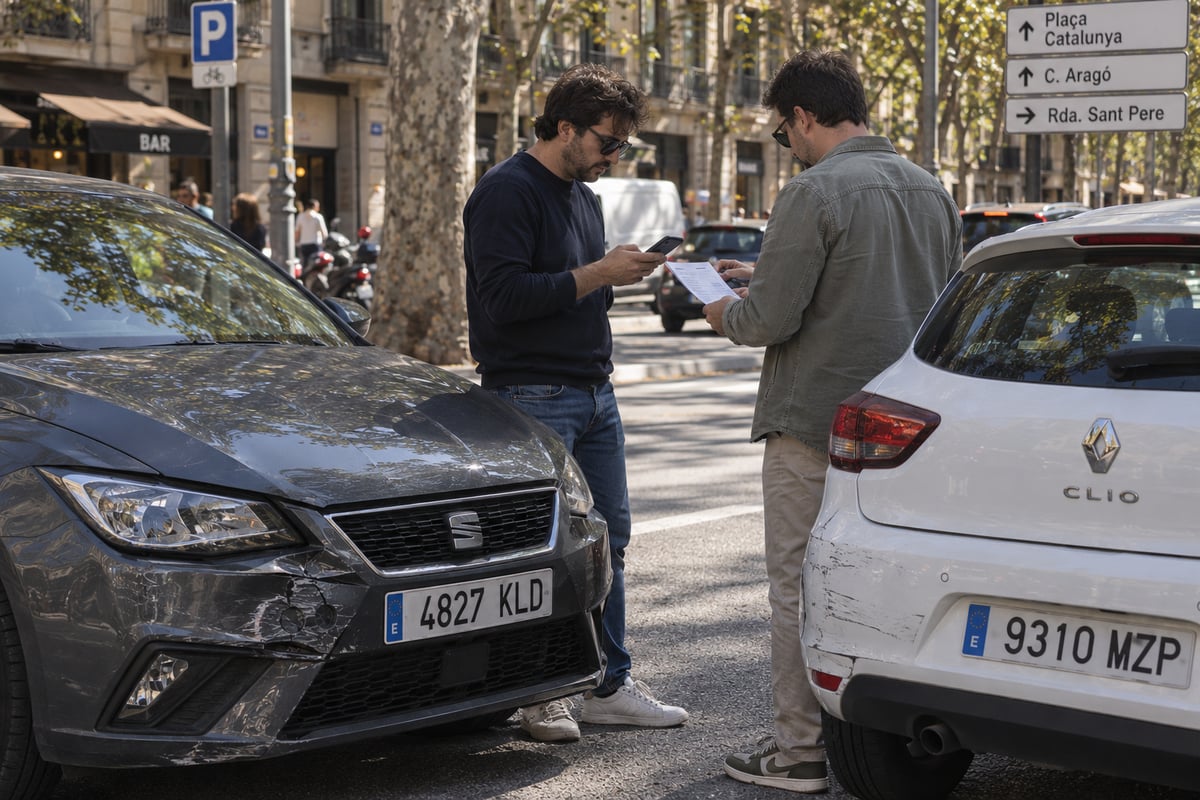
Most rental cars carry a European Accident Statement form in the glovebox — known locally as the parte amistoso de accidente or constat amiable. Both drivers fill it out together and sign it: vehicle details, insurance information, a simple diagram of what happened, and each party's account. This is the standard document insurers on both sides expect, and having it properly filled out is what makes your claim straightforward rather than a dispute later.
When to call 112 — and when you don't need to
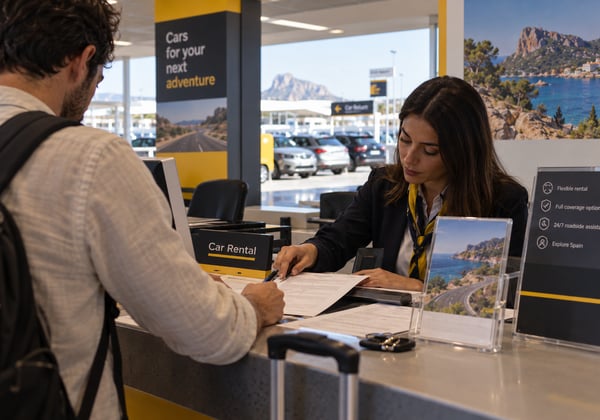
Call 112 immediately for any injury, significant vehicle damage, or a dispute about who's at fault — Spanish police response for these situations is standard and expected. For a minor, no-injury fender-bender where both parties agree on what happened, many incidents don't require police attendance at all; the accident statement form covers it. Either way, call your rental company's emergency assistance line — it's printed on your rental agreement — before doing anything else with the vehicle itself, since they'll tell you exactly what they need from you.
Document everything before you move anything
Photos of both vehicles from multiple angles, and all visible damage specifically.
The other party's license, insurance card, and rental agreement (if they're also in a rental) — photograph these documents directly rather than just copying numbers by hand.
The surrounding scene — road position, any relevant signage, skid marks if visible — before either vehicle is moved, if it's safe to leave them in place.
Never sign anything you don't fully understand — ask for an English copy of any document, or photograph it to translate properly later rather than signing under pressure.
After the immediate moment
Once the scene is documented and everyone's accounted for, contact your travel insurance provider as soon as practical, not just the rental company — a policy with trip-disruption or emergency-assistance coverage may help with anything from a replacement vehicle to a change in your onward plans if the incident affects your itinerary. Keep every piece of paper generated by the incident, including the accident statement, any police reference number if one was issued, and the rental company's own incident report — reimbursement claims move faster with a complete paper trail than a partial one.
Why this connects back to your paperwork before the trip
Everything above assumes you were driving legally in the first place — which for a US visitor means holding the International Driving Permit that's legally required alongside your US license. An insurance claim can be denied on exactly this technicality even when the accident itself wasn't your fault, which is the kind of detail that's easy to overlook until it costs you. Confirming your rental's insurance coverage and excess terms before you ever get behind the wheel is the preparation that actually pays off in a moment like this.
The bottom line
Safety first, the accident statement form second, 112 only when the situation actually calls for it, and thorough documentation before anything gets moved. Spain's process is designed to be straightforward specifically so a stressful moment doesn't have to be a confusing one — the paperwork already exists in your glovebox for exactly this purpose.
FAQ
Do I need to call the police after a car accident in Spain?
Only for injury, significant damage, or a dispute about fault — call 112. For a minor, no-injury incident with agreement on what happened, the European Accident Statement form usually covers it without police attendance.
What is the European Accident Statement?
A standard form (parte amistoso de accidente) most rental cars carry in the glovebox, filled out and signed by both drivers, documenting the incident for both insurers.
Do I have to wear a safety vest if I have an accident in Spain?
Yes — Spanish law requires reflective safety vests in the car, and you should put one on before exiting the vehicle, especially on a highway.
Who should I call first after a rental car accident in Spain?
Ensure everyone's safety first, then call your rental company's emergency assistance line (on your rental agreement) and 112 if there's injury, major damage, or a fault dispute.
Can my insurance claim be denied after an accident in Spain?
Yes, on technicalities — most notably driving without the legally required International Driving Permit, even if the accident wasn't your fault. Confirm your paperwork before you drive.
Keep planning
Not sure how the slots fit together?
Pick your trip length and we'll route a real day-by-day plan around the timed entries.