Barcelona is a great base for day trips, and the good news for first-timers is that the best ones are genuinely easy — high-speed trains and commuter rail reach a holy mountain, medieval cities, beach towns, Roman ruins, and a surrealist's museum, most within an hour. This is the overview: what each trip is, how long it takes to get there, and who it's for, so you can pick the one that fits your trip. Each has its own full guide; this is how you choose.
The short list, ranked for first-timers
If you only have time for one, take Montserrat — the serrated mountain and monastery are unlike anything else within reach, and it's the trip most people remember longest. If you'd rather have a charming medieval city, Girona. If you want the Mediterranean of your imagination, Costa Brava or Sitges. Art lovers: Figueres for Dalí. History buffs: Tarragona for Rome on the sea.
Montserrat — the one to do first
A monastery wedged into a mountain of rounded rock spires, home to the Black Madonna and a centuries-old boys' choir, with hiking trails into wild scenery. Take the FGC R5 from Plaça d'Espanya (about an hour), then a cable car or rack railway up. Half to full day. For: everyone — it's the signature trip, equal parts spiritual, scenic, and hikeable.
Girona — medieval city, an easy hop
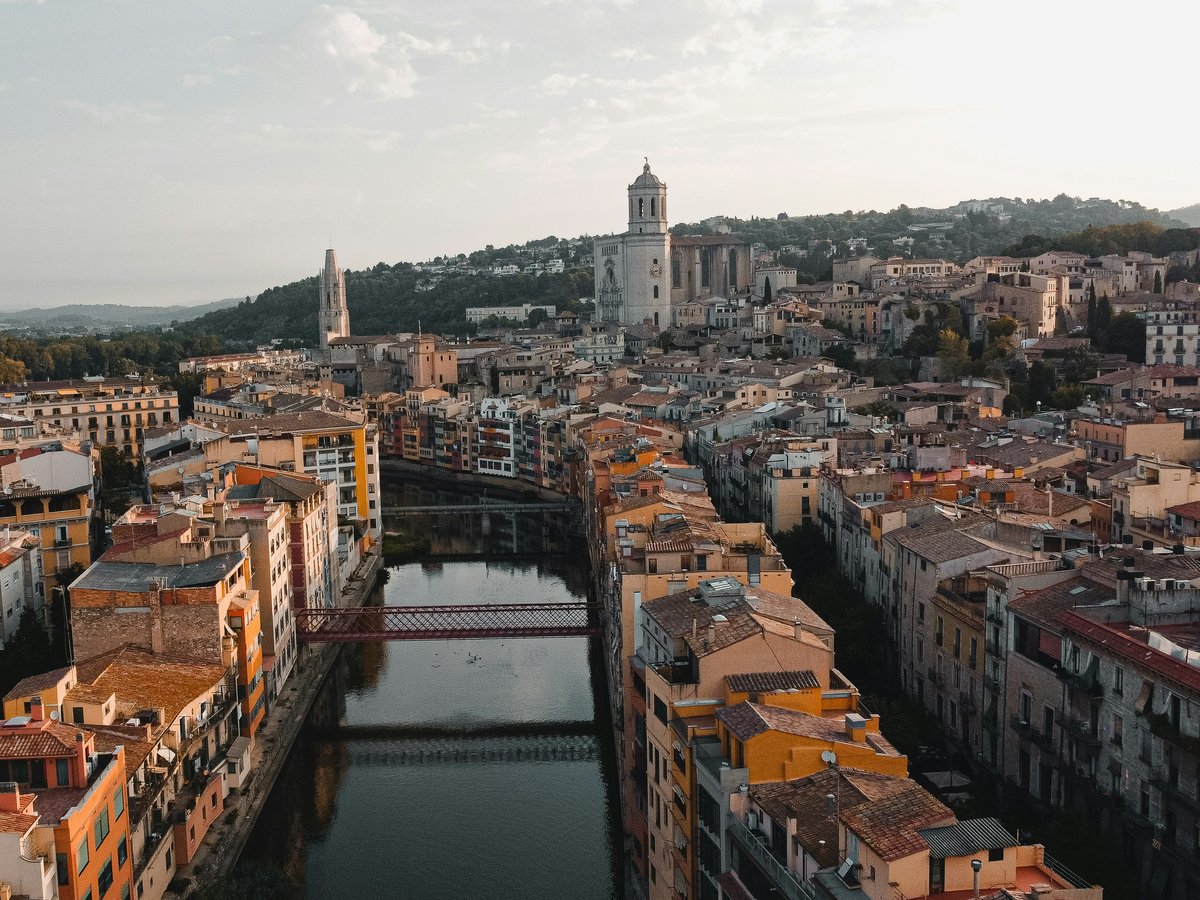
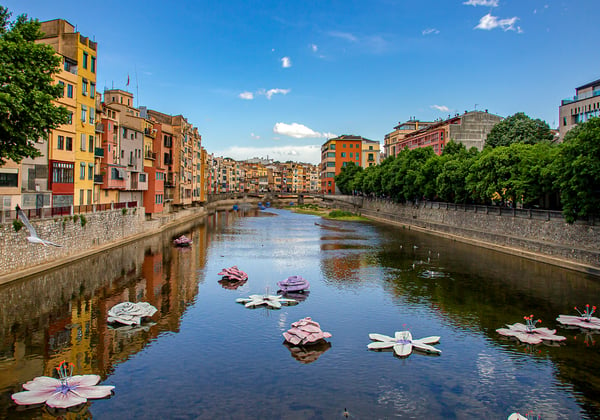
An intact old town of stone lanes, one of Europe's best-preserved Jewish quarters, a cathedral with the widest Gothic nave in the world (and the steps fans of a certain dragon show will recognize). High-speed AVE/Avlo gets you there in about 38 minutes. Full day. For: travelers who want history and atmosphere without a hard journey — arguably the best effort-to-reward ratio on this list.
Costa Brava — the coves you're picturing
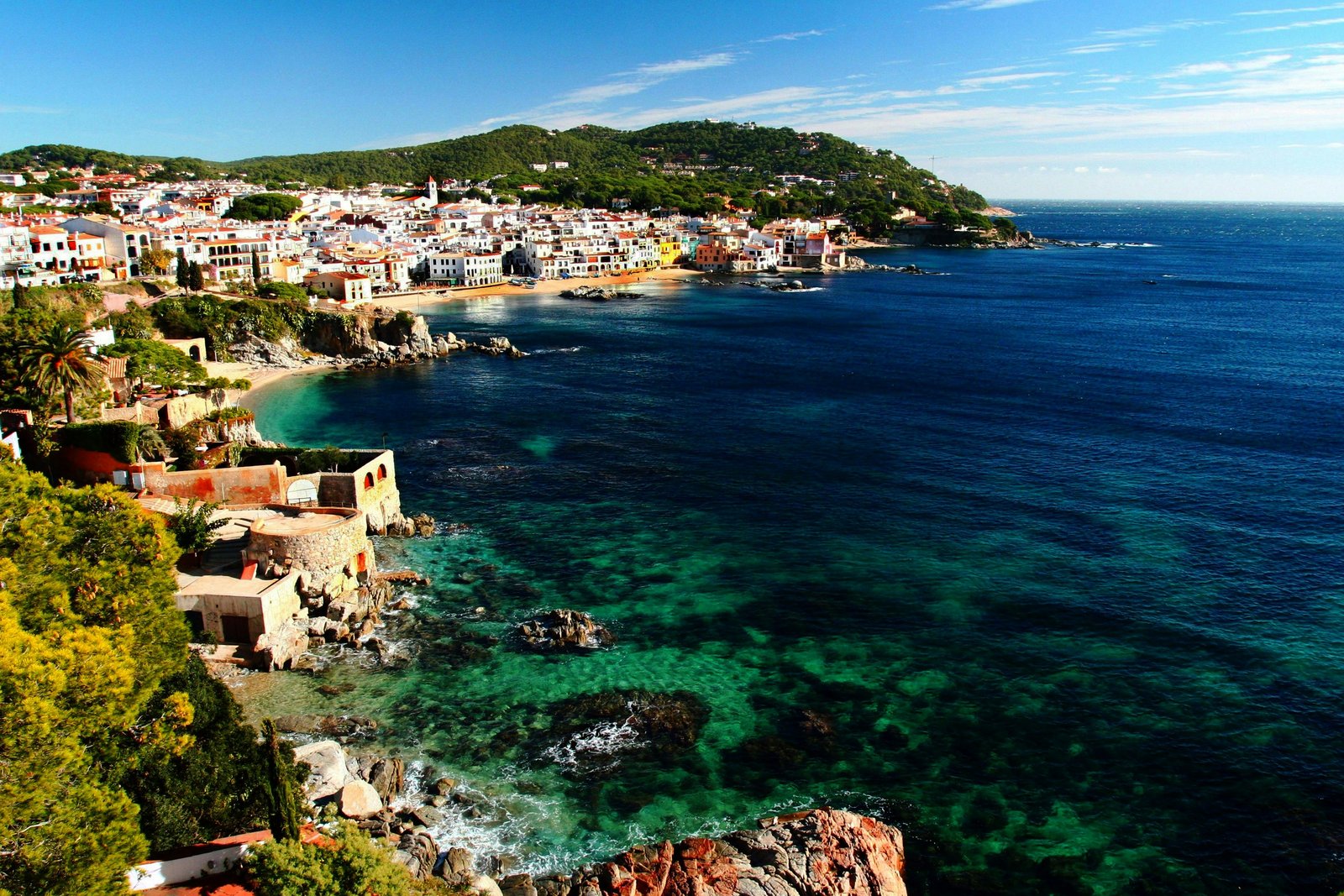
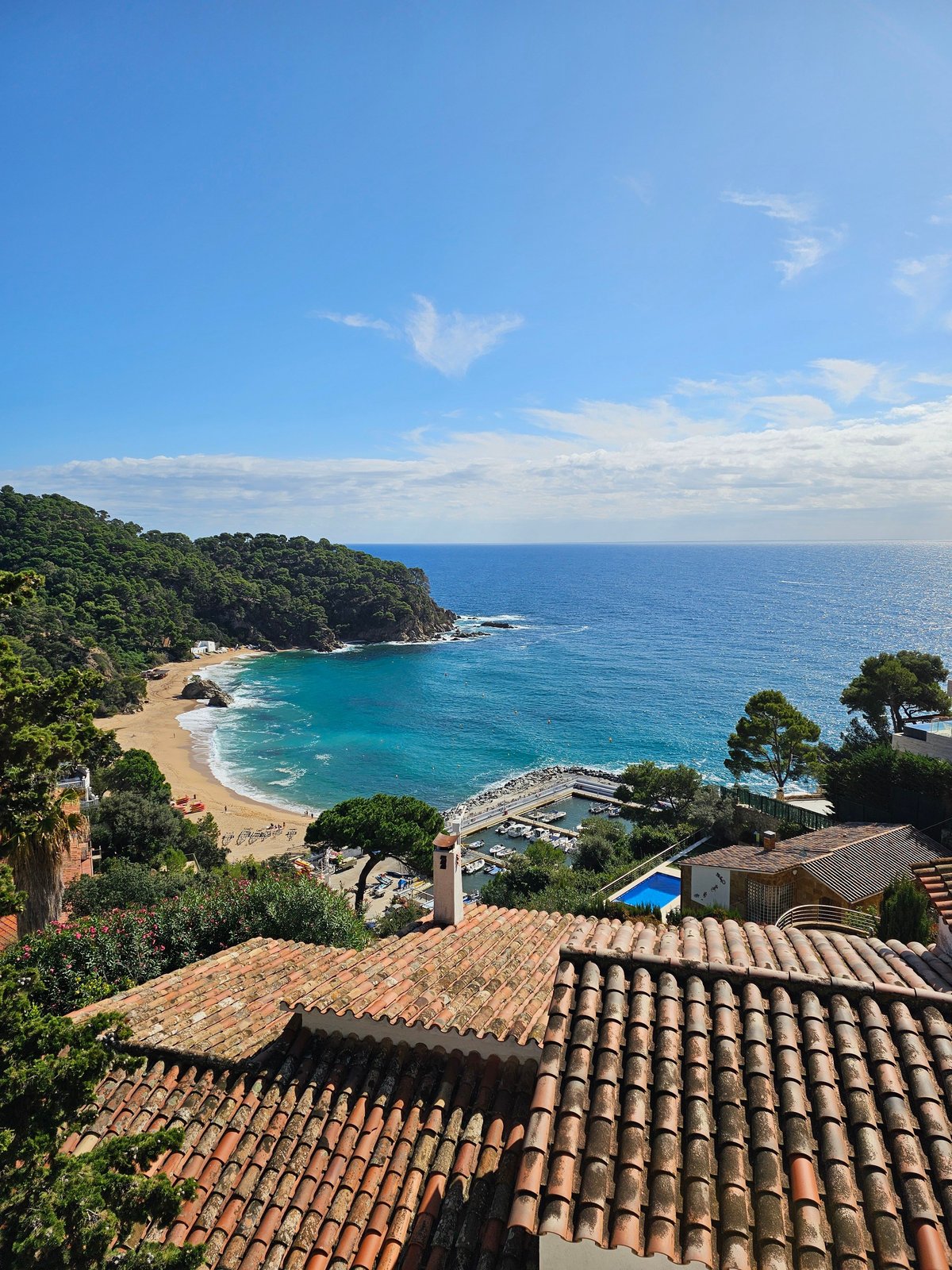
The rugged coastline north of the city — whitewashed villages like Calella de Palafrugell and Tossa de Mar, turquoise coves, and clifftop coastal footpaths (the camins de ronda) linking one beach to the next. Reached by bus from Estació del Nord or, most easily, by car or guided tour, since the prettiest coves aren't on a train line. Full day. For: beach-and-scenery travelers willing to trade a slightly fiddlier journey for the Mediterranean at its most postcard.
Sitges — the easy beach town
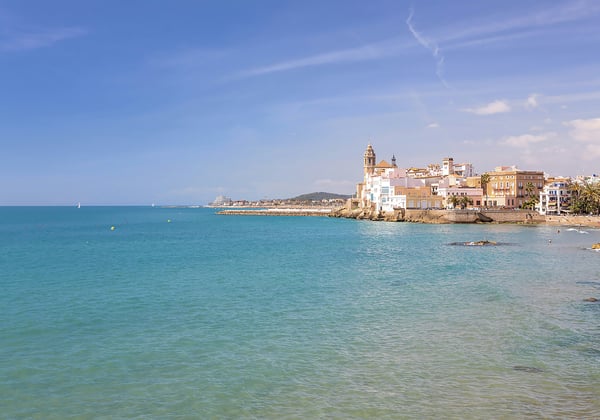
A pretty, walkable seaside town 35–40 minutes south on the Rodalies R2 commuter train: whitewashed old town, a hilltop church over the water, 17 beaches, and Spain's most famously open, LGBTQ+-friendly resort scene. Half to full day. For: anyone wanting a low-effort beach day — it's the simplest coastal escape, no car required.
Figueres — Dalí's surreal monument
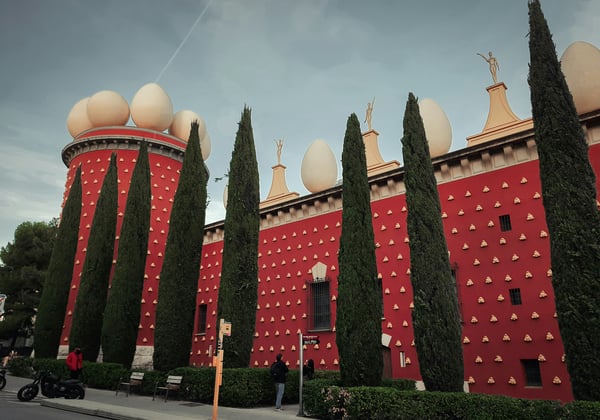
The Dalí Theatre-Museum, designed by the artist as his own monument and burial place, is one of Spain's most-visited museums and a genuinely strange, joyful experience. High-speed train to Figueres-Vilafant in about 55 minutes; it pairs beautifully with Girona on the same line. Full day (or half-day combined with Girona). For: art lovers and the curious — book the museum's timed tickets ahead.
Tarragona — Rome by the sea
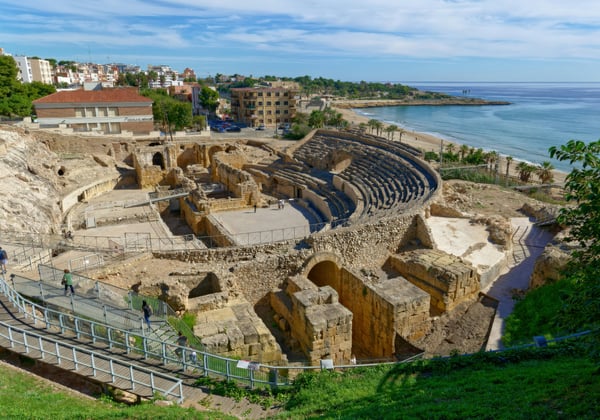
A Roman amphitheater perched above the Mediterranean, plus a UNESCO circuit of ruins, walls, and an aqueduct — Catalonia's Roman capital, with a relaxed seaside-town feel on top. Regional train in about an hour, or high-speed to nearby Camp de Tarragona in ~35 minutes (that station needs an onward bus/cab). Full day. For: history buffs who'd rather walk ancient ruins than another cathedral.
The day trips, mapped — how far each sits from the city
Montserrat — Mountain monastery — the classic day trip
Girona — Medieval walls, 40 min by fast train
Costa Brava — The coast north of the city
Sitges — Beach town, 35 min south by train
Figueres (Dalí Museum) — Dalí's theatre-museum
Tarragona — Roman ruins by the sea
Booking the trains, and what they cost
The high-speed trips (Girona, Figueres, Tarragona's Camp de Tarragona) run from Barcelona Sants on Renfe AVE and the low-cost competitors Ouigo, iryo and Avlo — book a few days ahead for the cheapest fares, since high-speed pricing rises as seats fill. The commuter trips (Sitges on the R2, Montserrat on the FGC R5) use flat regional fares you buy day-of, no advance booking needed. One recurring catch worth repeating: your Barcelona T-casual and Hola Barcelona cards generally don't extend to these out-of-zone trips or the Montserrat mountain railways — budget separate tickets. Costa Brava is the outlier with no direct train to the best coves, which is why a bus, rental car, or guided tour makes that one easiest.
How to choose, and how many to do
For a 3-day Barcelona trip, skip day trips — you need the time in the city. With 4–5 days, add one (Montserrat is the classic choice). With a week, two is comfortable, but no more — day trips eat travel hours, and Barcelona itself rewards a slower pace. Pick by appetite: mountain and monastery (Montserrat), medieval streets (Girona), beach (Sitges or Costa Brava), art (Figueres), or ancient history (Tarragona). And go early whichever you choose — first trains beat both crowds and midday heat, and the light is better for the scenery that justifies the trip.
FAQ
What's the best day trip from Barcelona?
Montserrat for most first-timers — the mountain monastery is unlike anything else within reach. Girona is the best balance of charm and easy access; Costa Brava and Sitges for beaches; Figueres for Dalí; Tarragona for Roman ruins.
Which day trip is easiest by train?
Girona (high-speed ~38 min) and Sitges (commuter rail ~35–40 min) are the easiest. Montserrat needs a train plus a cable car or rack railway; Costa Brava's best coves need a bus, car, or tour.
How many day trips should I do?
None on a 3-day trip, one on a 4–5 day trip, and at most two in a week. Day trips consume travel hours, and Barcelona itself rewards unhurried time.
Can I do a day trip without a car?
Yes for Montserrat, Girona, Sitges, Figueres, and Tarragona — all reachable by train. Costa Brava's coves are the main case where a car or guided tour is much easier.
Should I book a tour or go independently?
Train-served trips (Girona, Sitges, Figueres, Tarragona, Montserrat) are easy and cheaper independently. A guided tour is worth it mainly for Costa Brava or if you'd rather not manage transfers.