Spanish ceramics make an obvious souvenir — colorful, distinctive, genuinely useful once you're home — but "Spanish ceramics" undersells it a bit. Spain's pottery traditions are regional, each with its own look and history, and knowing that going in helps you buy something with a real story rather than a generic gift-shop piece.
It's not one Spanish style — know the regions
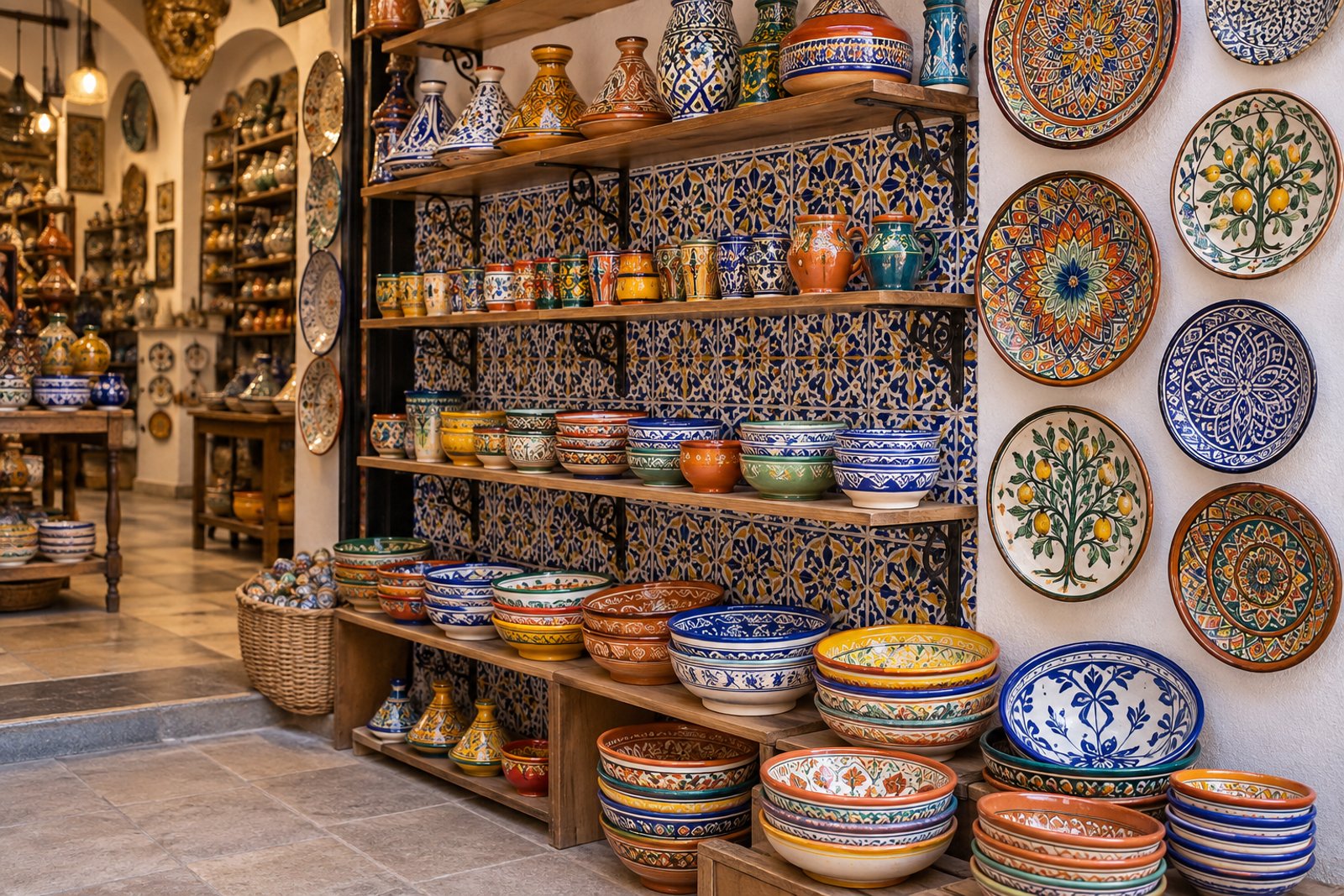
Catalonia has its own ceramics tradition centered on La Bisbal d'Empordà, a town near Girona (roughly 1.5-2 hours from Barcelona) whose main street is lined end to end with ceramics workshops and showrooms — genuinely worth a stop if you're already headed toward Girona or the Costa Brava. Spain's other two major centers sit further afield and outside this site's scope: Talavera de la Puebla near Toledo and Manises near Valencia, both with their own distinct glazing traditions. If a piece you're buying is labeled by one of these town names, that's a real regional attribution worth knowing, not just a marketing flourish.
Where to actually buy in and around Barcelona
Inside the city, look to craft markets over generic souvenir shops for anything with real character: the Fira de Santa Llúcia Christmas market near the Cathedral is a reliable seasonal source, and smaller artisan markets pop up in squares around El Born and Gràcia through the year. A handful of boutiques in those same neighborhoods carry curated Catalan and wider-Spanish pieces year-round. If a La Bisbal day trip is on your itinerary, that's the single best source for range and value — you're buying closer to where it's made, from the people making it.
Packing a small piece vs. shipping a big one
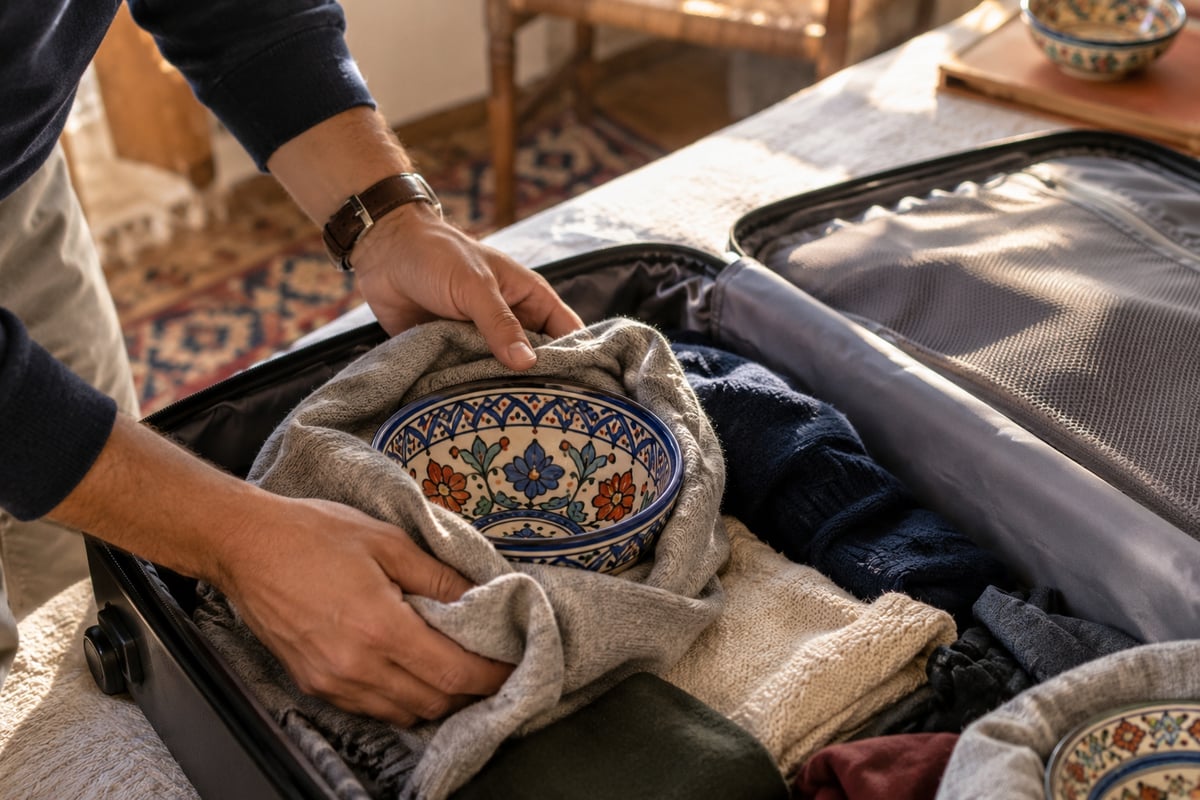
For anything small — a bowl, a set of tiles, a small vase — wrap it inside clothing in your carry-on rather than checking it. Checked-baggage handling is by far the biggest breakage risk, and a soft layer of clothes does more protection work than any amount of newspaper. For something larger, more delicate, or genuinely valuable, ask the shop directly about shipping — workshops in dedicated ceramics towns like La Bisbal ship internationally as a routine part of their business, and it's a far safer bet than trying to hand-carry something fragile and awkward through two or three more flight legs.
What separates a real piece from a tourist-shelf one
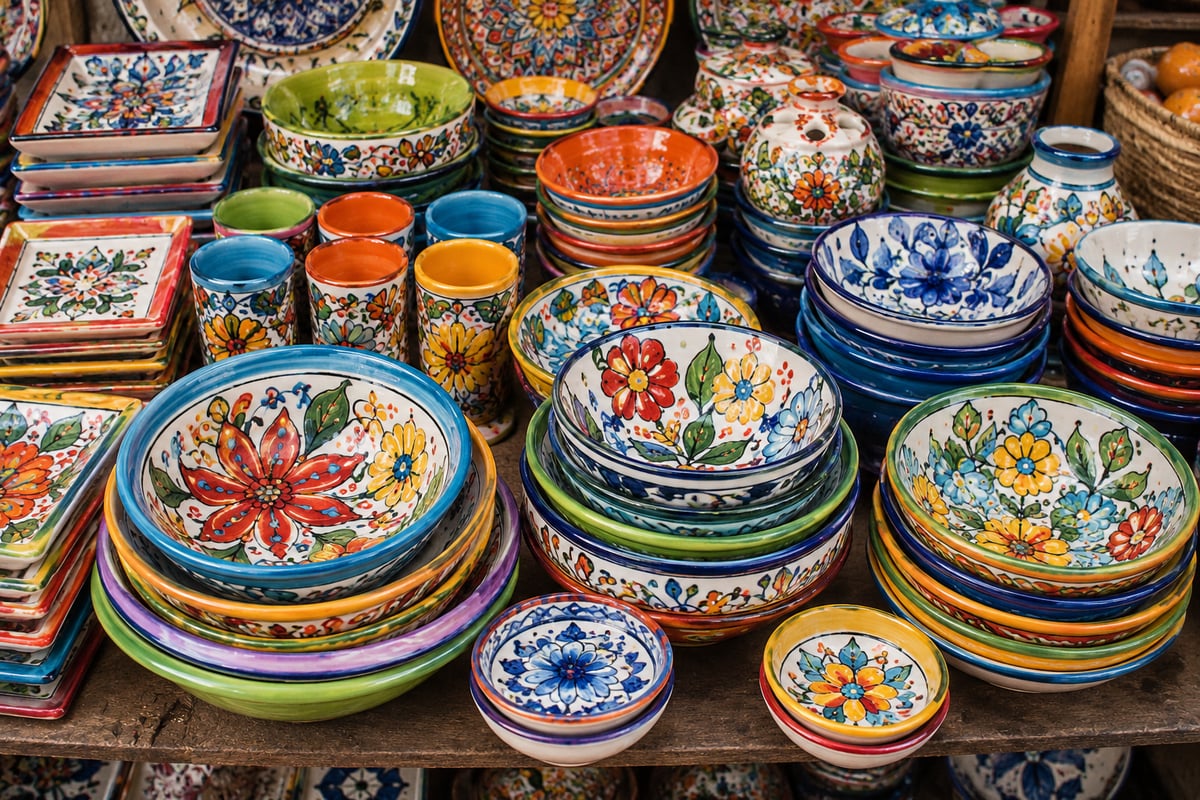
Authentic regional ceramics tend to show their origin honestly rather than loudly — a small stamped or painted mark identifying the workshop or town, slight asymmetry that signals hand-thrown rather than mass-molded work, and a glaze with genuine depth and minor variation rather than a flat, uniform factory finish. A price that seems too low for the apparent size and detail of a piece is usually a sign it was imported and relabeled rather than made where it's being sold — not a scam exactly, just not what you're paying for. Asking the seller directly where and by whom a piece was made is normal in this kind of shop, not an awkward question, and a real workshop or market vendor will answer specifically rather than vaguely.
Customs: the good news
There's no special Spanish export restriction on buying contemporary ceramics for personal use — you're not dealing with the kind of antiquities-export paperwork that applies to genuinely old or archaeological pieces. On the US side, ordinary personal customs exemptions and duty rules apply, the same as for any souvenir purchase; a piece of pottery doesn't trigger anything unusual. Keep the receipt in case you're asked, and you're covered.
The bottom line
A piece of Catalan or Spanish ceramics is one of the more satisfying souvenirs you can bring home from this trip — durable, decorative, and tied to a real regional craft tradition rather than a generic "Spain" label. Buy from a market or a workshop rather than a tourist-strip gift shop if you want the real thing, pack small pieces in your carry-on, ship anything larger, and don't worry about customs complications on either end.
FAQ
Where can I buy authentic ceramics near Barcelona?
La Bisbal d'Empordà, near Girona, is Catalonia's own ceramics town, lined with workshops. Within the city, the Fira de Santa Llúcia Christmas market and boutiques in El Born and Gràcia carry curated pieces year-round.
Is Talavera pottery from Barcelona?
No — Talavera de la Puebla is near Toledo, a different Spanish region entirely. Catalonia's own ceramics tradition is centered on La Bisbal d'Empordà near Girona.
How do I pack ceramics to bring home from Spain?
Wrap small pieces in clothing and carry them on rather than checking them — checked-baggage handling is the main breakage risk. For larger or delicate pieces, ask the shop about international shipping instead.
Do I have to pay customs on ceramics I bring back from Spain?
No special restrictions apply to contemporary ceramics for personal use — ordinary US personal customs exemptions cover it, the same as any other souvenir.
Can ceramics shops in Spain ship internationally?
Many can, especially in dedicated ceramics towns like La Bisbal d'Empordà, where international shipping is a routine part of the business. Ask directly at the shop.
Keep planning
Not sure how the slots fit together?
Pick your trip length and we'll route a real day-by-day plan around the timed entries.