What to Wear in Barcelona: Churches, Beaches, Dinner
Barcelona's dress code is more about context than rules — smart-casual on the street, covered shoulders in churches, and swimwear that stays on the sand.
Barcelona doesn't have a strict dress code, but it does have a strong sense of context — what's completely normal on the beach reads as jarring three blocks inland, and what's fine for sightseeing won't fly inside a church. None of it is complicated once you know the three zones: the street, the sights, and the sand.
The everyday look: smart-casual, understated
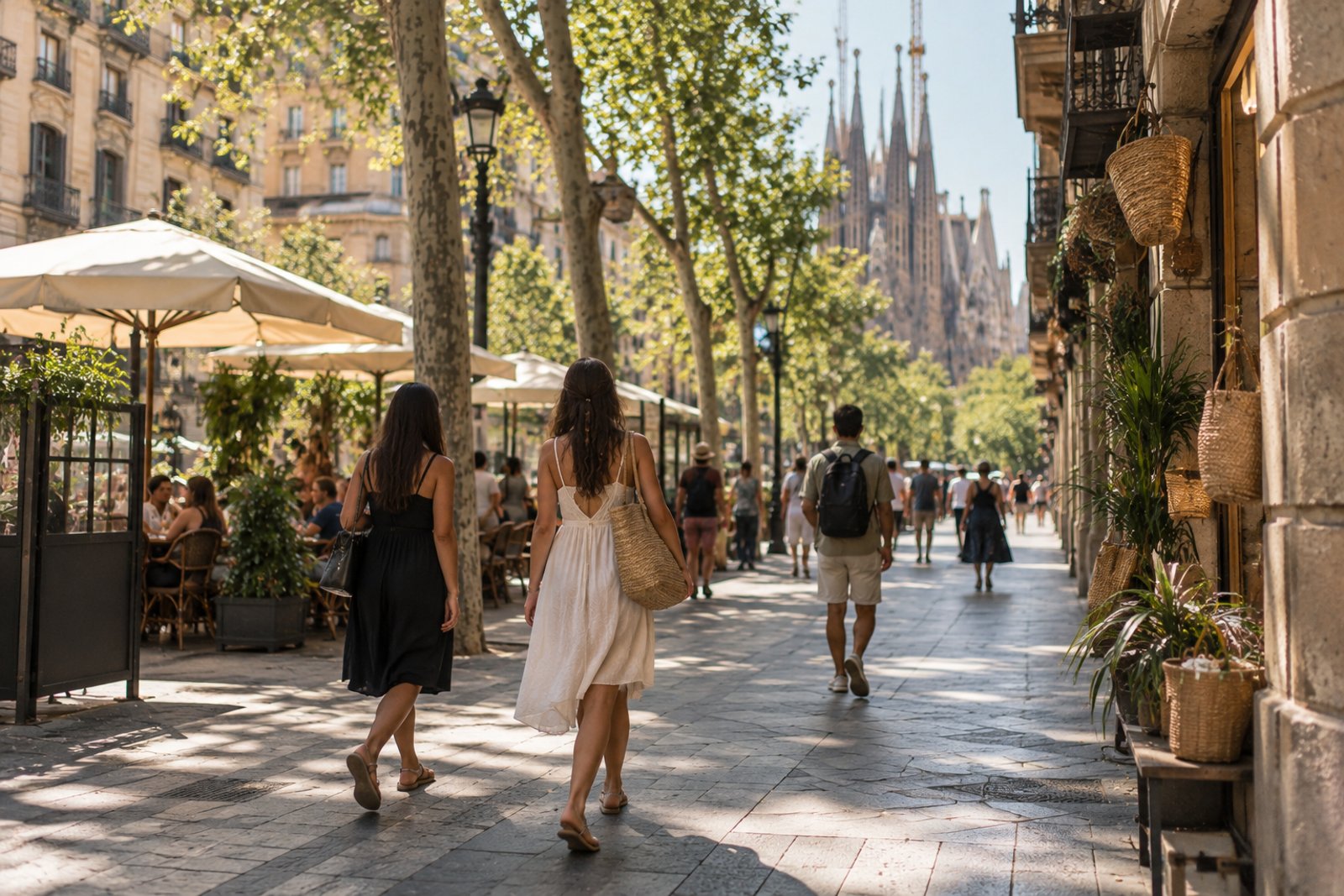
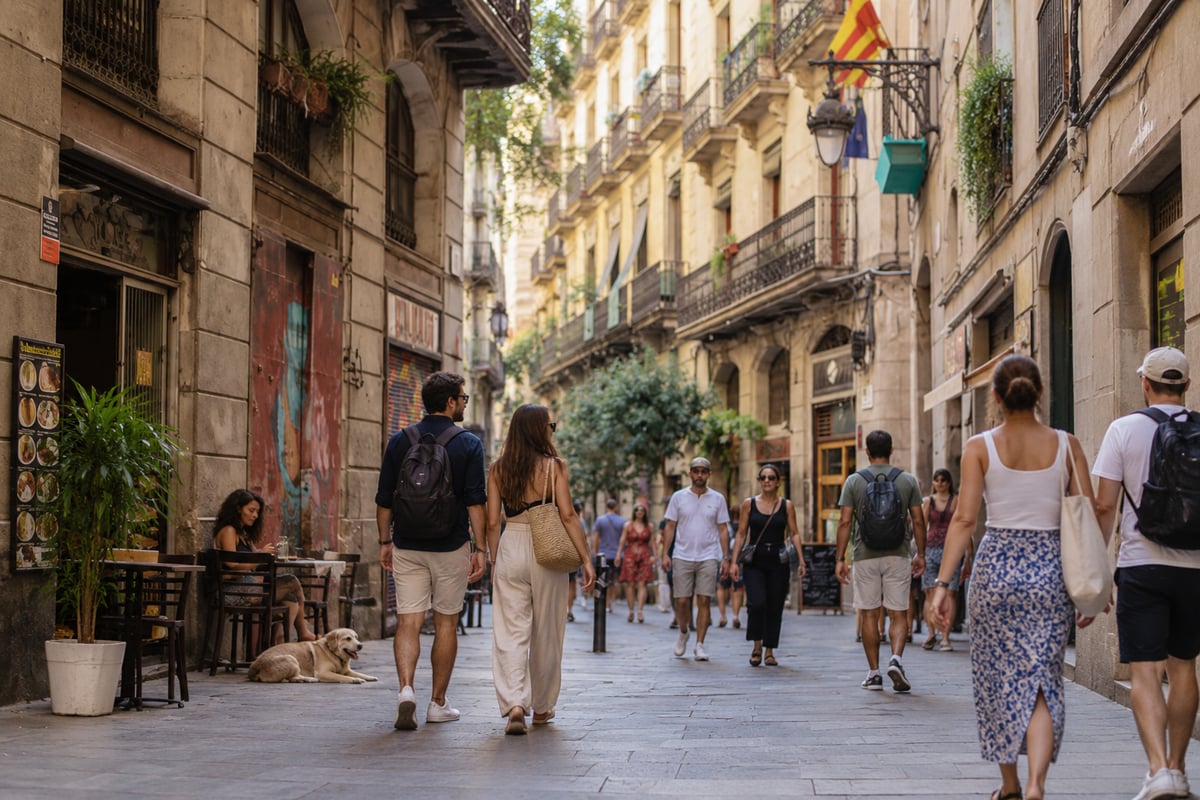
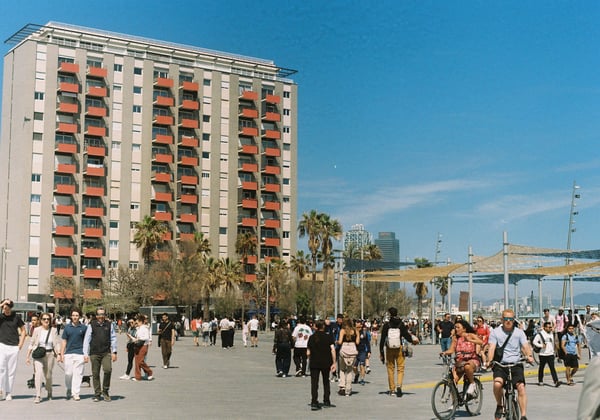
Barcelona is a smart-casual, understated city. Locals tend to skip athletic shorts, flip-flops and ball caps once they're off the beach — not because it's forbidden, but because it visibly marks you as a tourist in a city that dresses a notch more put-together than many American cities for ordinary daytime wandering. You don't need to dress up; you just don't need gym clothes either. A clean, simple outfit — the kind you'd wear to run errands and then grab a coffee — covers essentially every daytime situation.
Church rules: shoulders and knees
Barcelona's major churches — the Sagrada Família, Santa Maria del Mar, the Cathedral — ask visitors to cover shoulders and knees. It's loosely enforced compared to, say, Italy, but it's respected, and showing up in a tank top and short shorts is the kind of thing that gets you a polite but firm word at the door. A light layer (a cardigan, a scarf, a button-up shirt) thrown over a warm-weather outfit solves this instantly and takes up no space in a day bag.
Beach vs. street: where swimwear stops
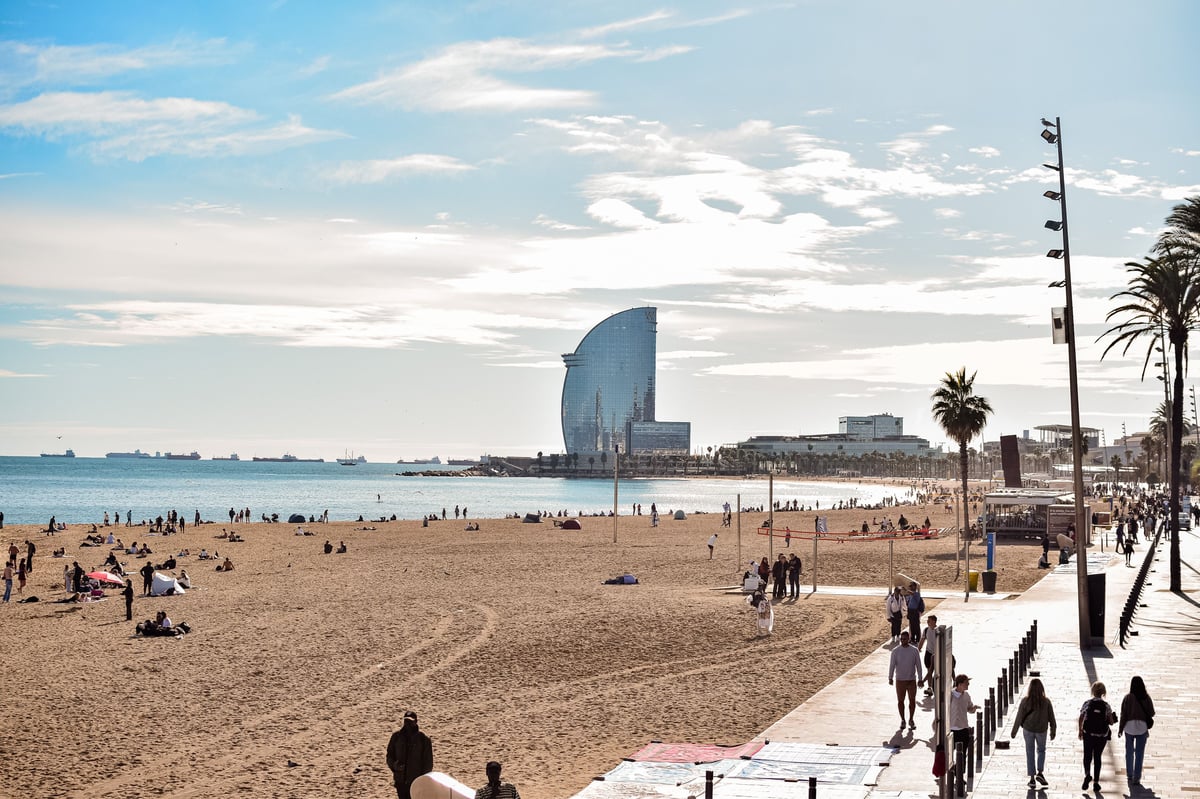
Barcelona takes this one seriously enough that it's actually a fineable offense: beachwear and going shirtless away from the sand and boardwalk is illegal, not just frowned upon. Change before you head back into the city grid — it's a short walk from most beaches to a normal street, and the transition matters more than it would in a beach town built entirely around swimwear.
Dinner and going out
Barcelona doesn't demand formal dinner attire even at nicer restaurants — smart-casual again covers most reservations, though a step up from daytime wear (real shoes instead of sandals, a collared shirt, something without visible beach-day wear) reads as making an effort for a proper sit-down meal. Nightlife venues and upscale cocktail bars sometimes enforce a no-sneakers, no-shorts door policy, so it's worth packing at least one slightly dressier outfit if a big night out is on the itinerary.
Dressing for the season you're actually visiting in
Barcelona's Mediterranean climate shifts the packing math by season more than the dress-code rules do. Spring (March-May) runs a comfortable 55-72°F — layers matter more than any single item, since mornings can be cool and afternoons warm. Summer (June-August) runs 75-90°F and feels stickier than the number suggests, which argues for breathable natural fabrics over anything synthetic, especially if you're walking the old city's shade-free stretches at midday. Fall (September-October) mirrors spring's layering logic at slightly warmer temperatures, with the sea still swimmable. Winter (November-February) is mild by American standards — 45-60°F and mostly sunny — but locals still bundle up more than the temperature alone suggests, so a real jacket rather than just a sweater reads as appropriately dressed rather than overdressed.
Packing logic that covers all three zones
A light layer (cardigan, scarf, button-up) — solves churches and cooler evenings in one item.
Real shoes, not just sandals — for dinner, nightlife doors, and cobblestone-heavy old-city walking.
A change of clothes near the beach — or plan your beach day so you can shower/change before heading back into town.
Nothing overtly athletic for daytime sightseeing — save the gym gear for the gym.
Comfortable, broken-in shoes — the old city's cobblestones in the Gothic Quarter and El Born are rough on new shoes and bad ankles alike; this matters more than any style choice.
One dressier outfit if a nice dinner or a night out is planned — enough to clear a door policy without overpacking for it.
None of this requires a special wardrobe — it's the same clothes most travelers already pack, just worn with a bit more awareness of which of the city's three zones you're standing in.
FAQ
Do I need to cover my shoulders in Barcelona churches?
Yes — major churches like the Sagrada Família and the Cathedral ask for covered shoulders and knees. Enforcement is loose but respected; a light layer solves it easily.
Can I wear a swimsuit in Barcelona city streets?
No — beachwear and going shirtless away from the beach and boardwalk is actually illegal and fineable, not just a social norm. Change before heading back into the city.
What should I wear to dinner in Barcelona?
Smart-casual works for most restaurants — real shoes and a slightly put-together outfit rather than beach wear. Nicer venues and some nightlife spots may enforce a no-shorts, no-sneakers policy.
Is Barcelona a dressy city?
Not formally, but it's understated and smart-casual — locals skip athletic wear and flip-flops for everyday city wandering, even without a strict dress code.
What should I pack for both the beach and sightseeing in Barcelona?
A light layer for churches and evenings, real shoes for walking and dinner, swimwear plus a change of clothes for the beach, and one dressier outfit if you're planning a nicer night out.
Keep planning
Not sure how the slots fit together?
Pick your trip length and we'll route a real day-by-day plan around the timed entries.