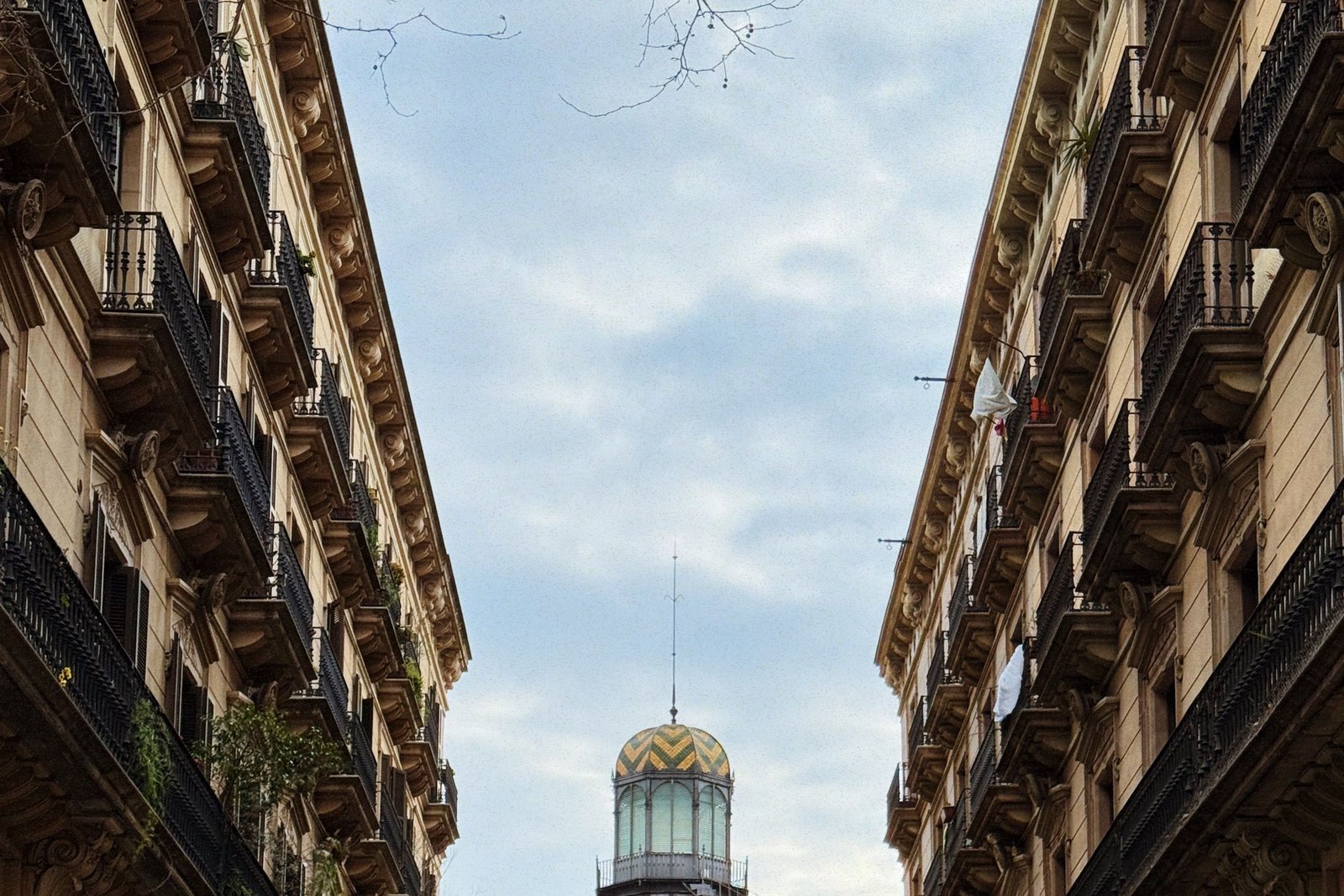
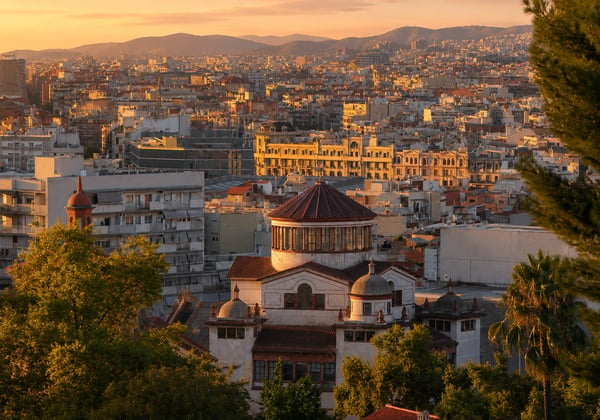
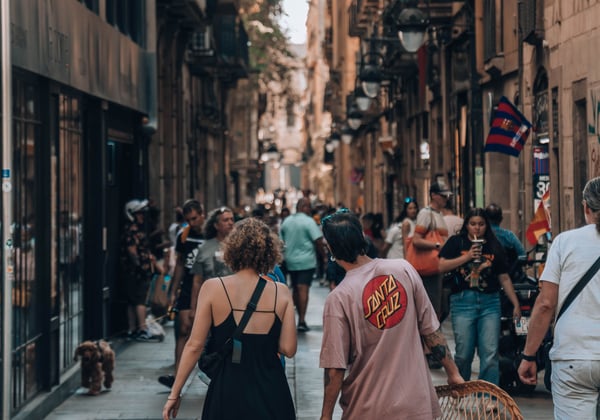
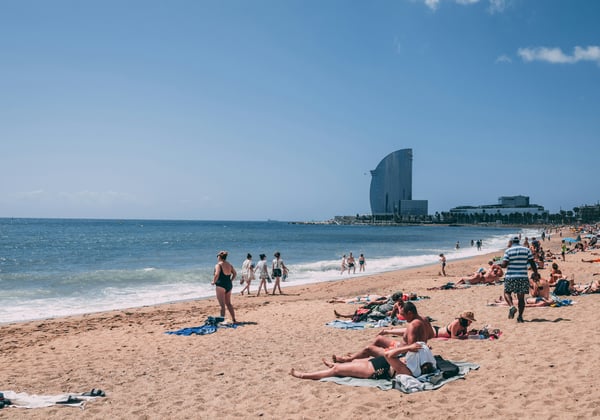
El Born is the Gothic Quarter's more refined cousin — the same medieval bones and narrow lanes, but cleaner, calmer, and more creative, with the best concentration of boutiques, tapas bars, and small museums in the old city. It's where a lot of seasoned Barcelona travelers choose to base themselves, and where first-timers fall hardest for the city's charm. This guide covers what to see, where to eat, and why El Born so often wins people's hearts.
El Born, mapped
Picasso Museum — El Born — booked slots
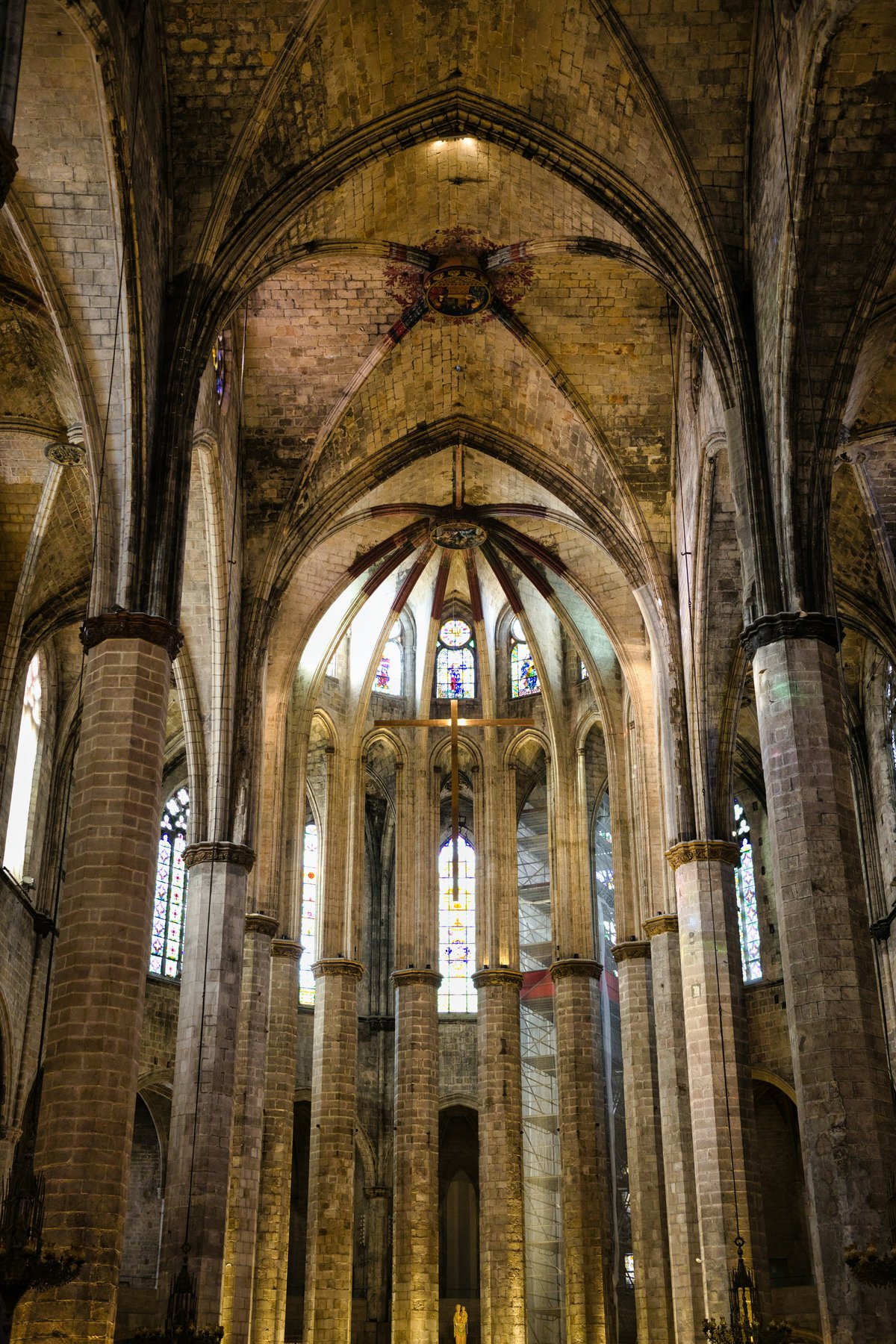
Santa Maria del Mar — El Born's great Gothic church
Palau de la Música — Modernisme in El Born
El Born — Medieval lanes, bars & the Picasso
Where El Born is, and what it is
El Born sits in the eastern corner of Ciutat Vella, across Via Laietana from the Gothic Quarter, bordered by Parc de la Ciutadella to the east and the Barceloneta waterfront to the south. Technically it's part of the larger La Ribera neighborhood, centered on the street Passeig del Born — but in everyday use "El Born" covers the whole creative, walkable warren. The handiest metro stop is Jaume I (L4), a couple of minutes from the heart of it; Arc de Triomf (L1) is better if you're starting from Ciutadella park. Like the Gòtic, it's a walking neighborhood — you can cross it in 15 minutes, but you won't want to hurry.
What to see
Basilica de Santa Maria del Mar. The sublime 14th-century "cathedral of the sea," built by the neighborhood's own people — many consider it more beautiful than the actual cathedral. Soaring, austere, and free to enter outside guided-visit hours.
Picasso Museum. Housed in a row of medieval palaces, focusing on the artist's formative Barcelona years; one of the city's most popular museums (book ahead, and note free hours exist — verify current schedule).
El Born Cultural Centre (Born CCM). A beautiful old market hall built over excavated ruins of the medieval city — walk above 300-year-old streets, with rotating exhibitions.
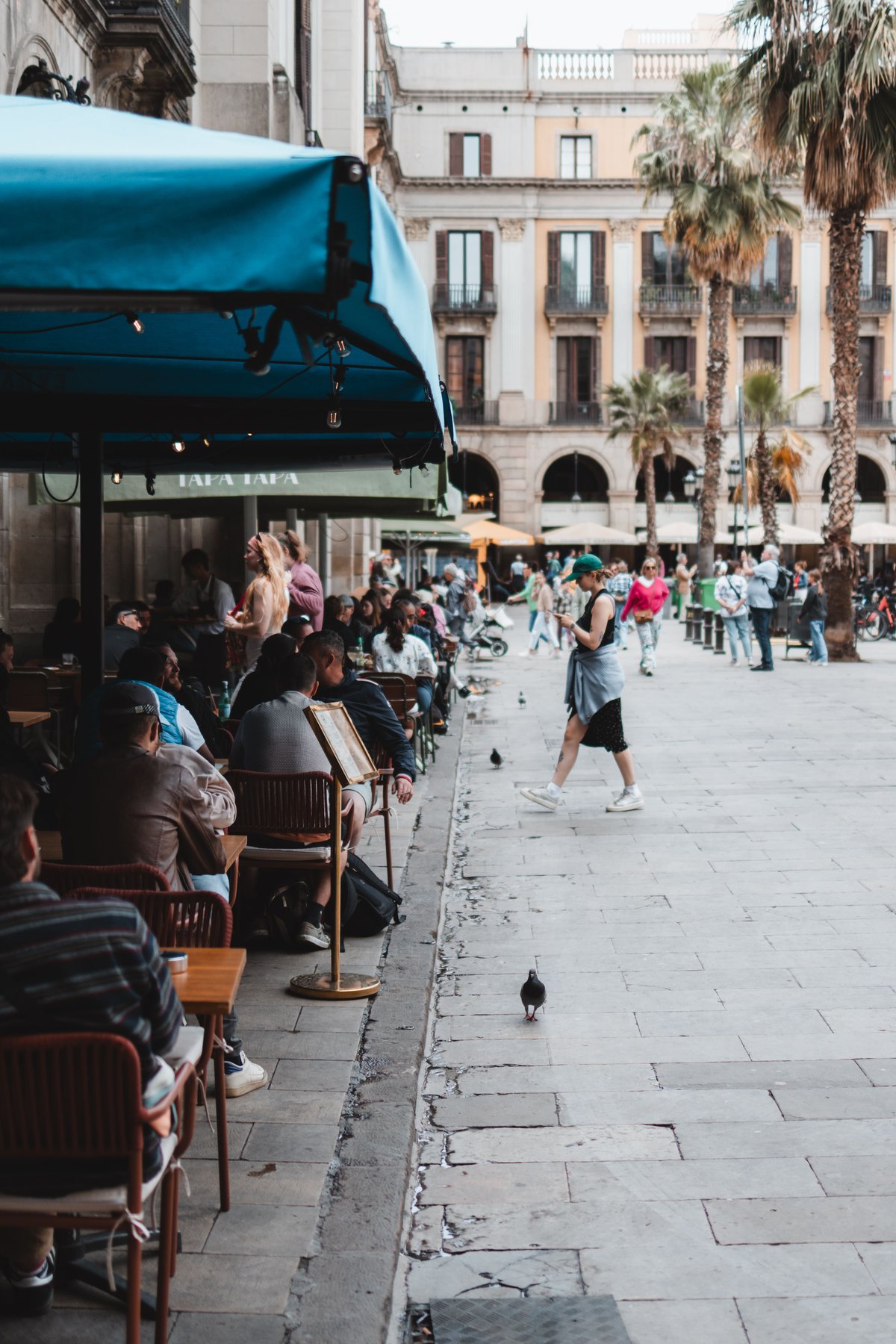
Passeig del Born. The leafy central promenade, once a medieval jousting ground, now lined with bars and the spine of the neighborhood's nightlife.
Carrer de Montcada. A medieval street of Gothic palaces (several now museums), one of the most atmospheric lanes in the city.
Eating and drinking — El Born's strong suit
This is one of the best eating neighborhoods in Barcelona. El Born is dense with quality tapas bars, wine and vermouth spots, and small creative restaurants, with a higher hit rate than the touristy Gòtic next door. The area around Passeig del Born and the lanes off Santa Maria del Mar are thick with options — from historic cava-and-tapas institutions to modern small plates. It's the neighborhood where "just wander until something looks good" actually works. Evenings here are lively but more sophisticated than rowdy — wine bars over beer halls.
Shopping
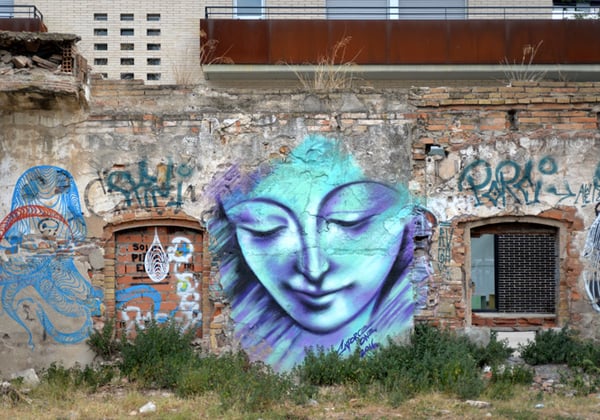
El Born is the old city's design and boutique hub: independent fashion, local designers, artisan workshops, concept stores, and homeware tucked into medieval storefronts. It's the antidote to the chain-store stretches elsewhere — a place to find something you won't see at home. Carrer del Rec and the lanes around it are particularly good for browsing.
Who El Born suits
El Born is the sweet spot for travelers who want medieval atmosphere and good living — charm without the Gòtic's tourist crush, great food and boutiques at your door, and a more grown-up evening scene. It's an excellent base: central, walkable to everything in the old city and the beach, with the best charm-to-convenience ratio in Barcelona. The main trade-off is price — its desirability shows in the room rates — and, like all of Ciutat Vella, some night noise on the bar streets. (Our where-to-stay guide compares it against the alternatives.)
How to spend time here
A half-day covers the self-guided wander plus Santa Maria del Mar and the Born Cultural Centre; add a couple of hours for the Picasso Museum, and a full day if you fold in lunch, shopping, and an evening at the bars. The ideal El Born experience is unhurried: the basilica, a slow lunch, an afternoon drifting through boutiques, and a tapas-and-wine evening as the Passeig del Born comes alive. Pair it with the adjacent Gothic Quarter (an 8–10 minute walk across Via Laietana) for a full old-city day.
Beyond the highlights
El Born rewards going a little deeper than its headline sights. Parc de la Ciutadella, on the neighborhood's eastern edge, is the city's green living room — a place to rent a rowboat on the lake, see the dramatic Cascada fountain (which a young Gaudí helped design), and watch local life unfold on the grass; it's also home to the zoo and the Catalan parliament. The lanes between the Picasso Museum and Santa Maria del Mar hide tiny galleries, artisan chocolate and design shops, and centuries-old specialty stores worth ducking into. And the neighborhood's edges blur pleasantly: a few minutes' walk takes you into the Gothic Quarter across Via Laietana, down to the Barceloneta waterfront, or up toward the Arc de Triomf and its broad promenade. El Born is small, but the density of good things per block is among the highest in the city, which is exactly why it rewards slow, repeated wandering rather than a single rushed pass.
FAQ
What is El Born known for?
Medieval charm with a creative, refined edge — the Picasso Museum, the stunning Santa Maria del Mar basilica, the Born Cultural Centre, and the city's best concentration of tapas bars, wine bars, and independent boutiques.
Is El Born a good place to stay?
It's one of the best — central, walkable, atmospheric, with excellent food and shopping and a more grown-up evening scene than the Gothic Quarter. The trade-offs are higher prices and some night noise on the bar streets.
What's the difference between El Born and the Gothic Quarter?
Both are medieval old-city neighborhoods, but El Born is calmer, cleaner, more boutique-and-food-focused and less tourist-mobbed, while the Gothic Quarter is more historic, denser, and busier. They're a short walk apart and pair well.
How much time should I spend in El Born?
A half-day for the walk, Santa Maria del Mar, and the Born Cultural Centre; add two hours for the Picasso Museum, or make it a full day with lunch, shopping, and the bar scene in the evening.
Where should I eat in El Born?
The lanes around Passeig del Born and Santa Maria del Mar are dense with quality tapas, wine, and vermouth bars — one of the few neighborhoods where wandering until something looks good genuinely works. Favor the smaller streets over the busiest corners.