One of Spain's most iconic purchases is also one Americans can't legally bring home in their luggage — here's what's actually restricted and what isn't.
Most souvenirs from Spain sail through US customs without a second thought — but one of the country's most iconic purchases is a genuine exception, and it catches Americans off guard often enough that it deserves its own warning before you're standing in a jamonería with your wallet out.
The one you can't bring home: cured ham
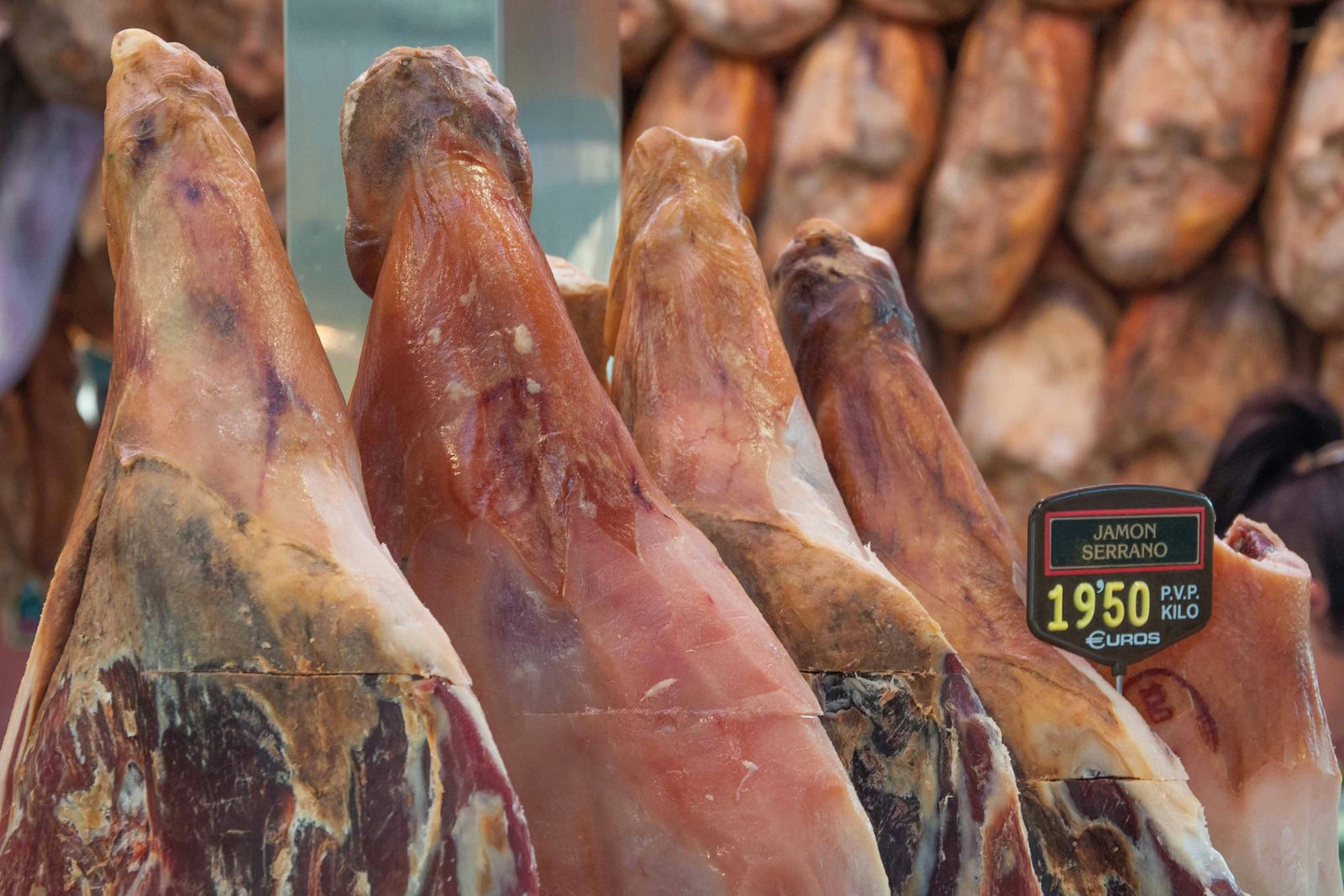
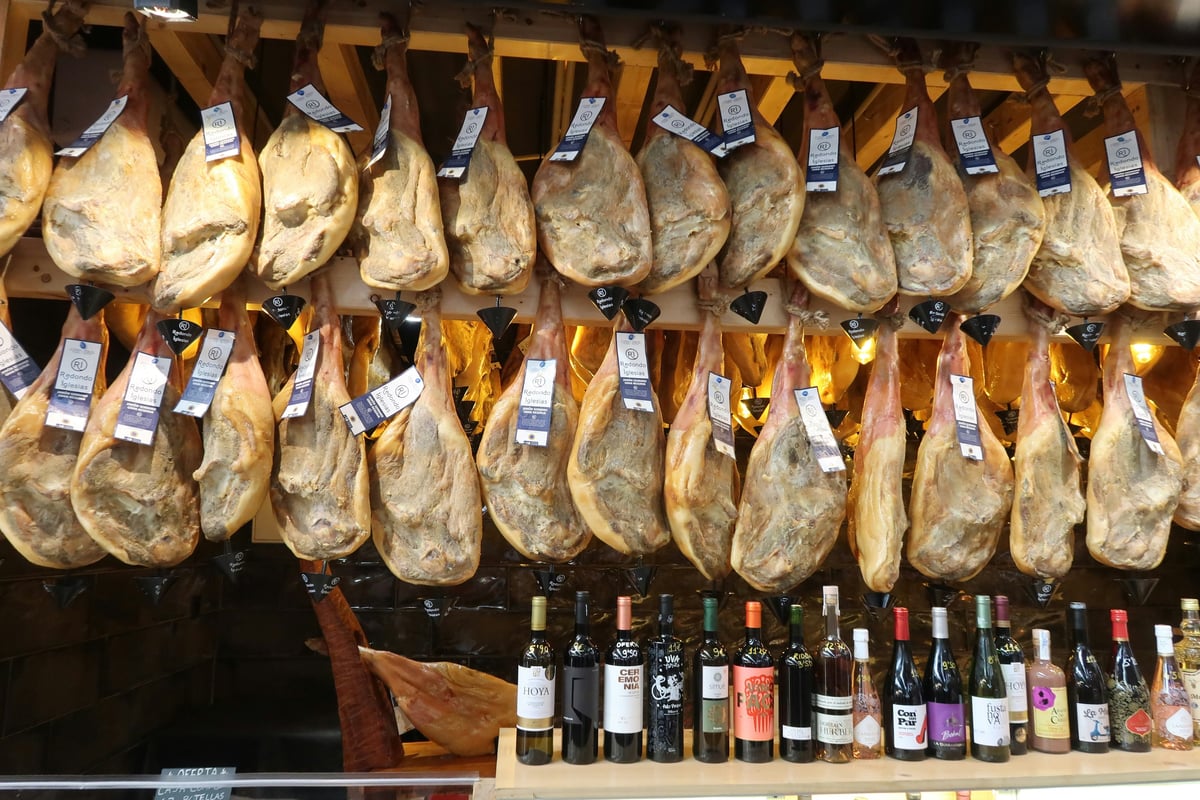
Under US federal regulation (9 CFR 94.31), cured hams — including jamón ibérico and jamón serrano — from Spain, along with similar cured pork products from France, Germany and Italy, may not be brought into the United States by travelers in personal luggage. This isn't a vague guideline; it's a real, enforced restriction, and travelers really have had ham confiscated at the border over it. The only legal path for this product into the US is a commercial shipment from a USDA/FDA-approved Spanish processing establishment — not something an individual buying a leg of jamón from a market stall or a specialty shop can access.
Why this specific rule exists
The restriction is about African swine fever and other pork-related animal health concerns in the region, not about the ham itself being unsafe to eat — which is exactly why the commercial-import pathway exists for properly certified, approved producers while personal imports don't qualify.
What this means in practice
Don't buy a whole leg or a vacuum-sealed block of jamón planning to check it in your luggage — it's a real risk of confiscation at US customs, not a technicality nobody enforces.
Eating it in Spain is obviously fine — the restriction is only about bringing the physical product across the US border.
A few specific brands do sell into the US commercially through APHIS-approved processing plants — if you want jamón at home, buying it from a US specialty importer once you're back is the legal path, not carrying it yourself.
Other cured meats follow the same logic — chorizo, lomo and similar pork products from the same restricted region carry the same personal-import limitation.
What's actually fine to bring home
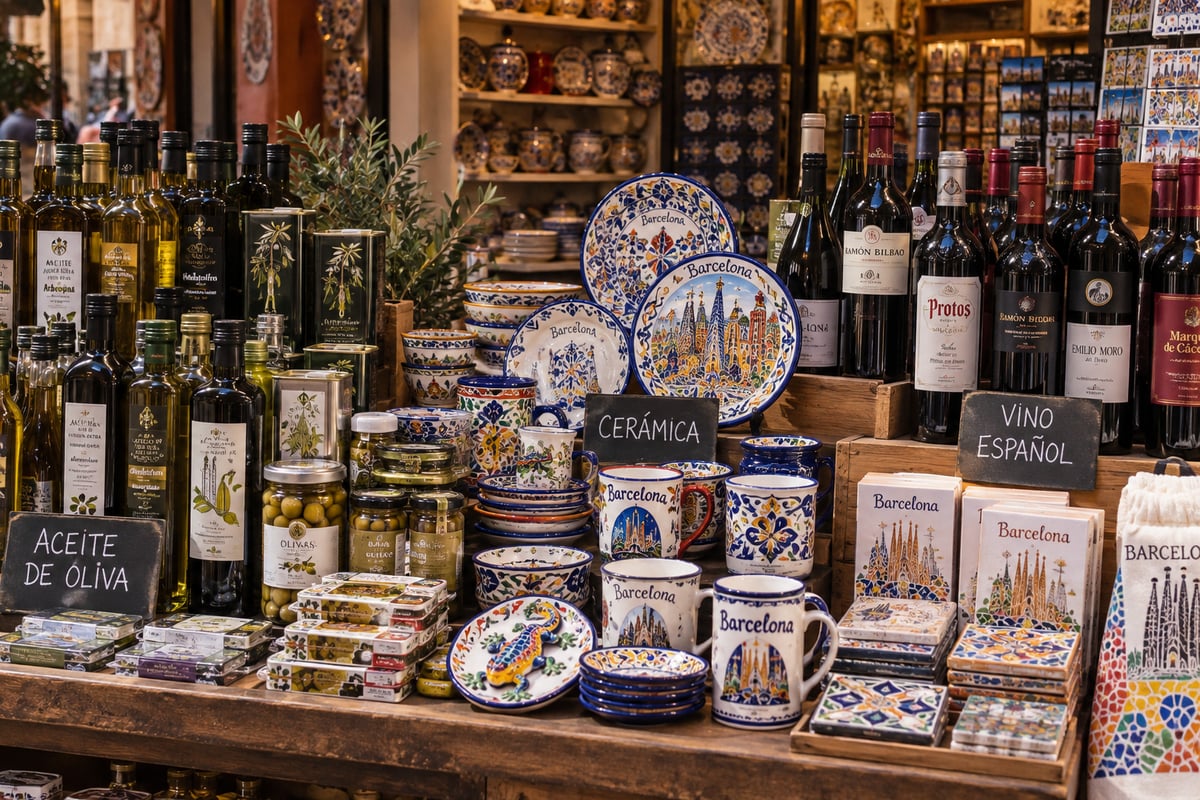
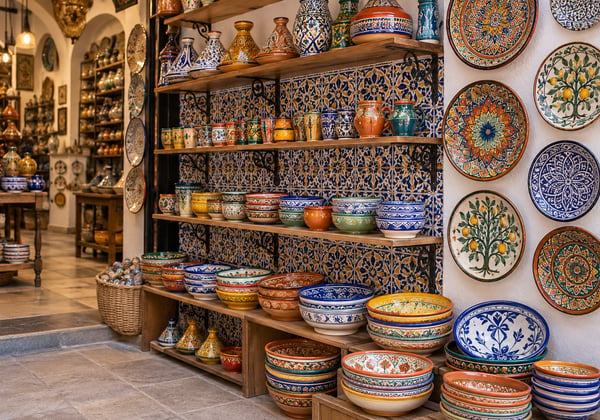
Nearly everything else on a typical Spain souvenir list is unrestricted beyond the ordinary rules that apply to any country: ceramics, textiles, leather goods, olive oil, wine (within the standard personal allowance), cheese (most hard, aged cheeses are fine — soft or unpasteurized varieties can be more complicated, so ask if you're unsure), and any non-food craft item travel without special Spain-specific paperwork. Ordinary US personal customs exemptions apply the same way they would for a purchase from any other country — a standard duty-free threshold, then duty above it, nothing unique to Spain.
Shipping instead of carrying
If a Spanish purchase is large, fragile, or simply too good to leave behind despite the ham restriction not applying to it, ask the shop about international shipping rather than defaulting to your suitcase. Many Spanish retailers — especially ones used to a tourist clientele in Barcelona — ship internationally as a normal part of business, and it sidesteps both the breakage risk of checked luggage and any last-minute space crunch in your bags. This is worth asking about even for items that ARE allowed through customs, since a shop shipping directly is often less hassle than hand-carrying something bulky through two or three more flights.
If you're unsure about a specific item
When in doubt about any food product specifically, the safest move is to ask directly at CBP's own resources rather than relying on shop staff or general travel advice, since food-import rules are exactly the kind of regulation that gets enforced strictly and updated periodically. For anything else — ceramics, leather, textiles, art — normal customs declaration and value rules apply, and there's nothing Spain-specific to worry about.
The bottom line
The single thing worth remembering from this whole article: don't plan to bring a leg of jamón home in your suitcase. Everything else on a typical Spain shopping list — ceramics, leather, wine, olive oil, textiles — travels home the same way souvenirs from anywhere else do, under the ordinary personal customs rules every returning traveler already knows.
FAQ
Can I bring jamón ibérico back to the US from Spain?
No — under US federal regulation, cured hams from Spain cannot be brought into the US by travelers in personal luggage. They can only enter as commercial shipments from USDA/FDA-approved Spanish processors.
Will my jamón get confiscated at US customs?
Very likely, if declared or discovered — this is a real, enforced restriction, not a technicality. Don't risk it; enjoy the ham in Spain instead.
Can I buy Spanish ham once I'm back in the US?
Yes — some Spanish producers export commercially through USDA/FDA-approved processing plants, so buying from a US specialty importer once home is the legal way to get it.
Is Spanish wine restricted for US travelers?
No — wine falls under the standard personal customs allowance that applies to alcohol from any country, with duty above the exemption threshold.
What other Spanish food items are restricted for US travelers?
Other cured pork products (chorizo, lomo) from the same restricted European region follow the same personal-import limitation as jamón. Most other food souvenirs — olive oil, hard cheeses, packaged goods — are generally fine.
Keep planning
Not sure how the slots fit together?
Pick your trip length and we'll route a real day-by-day plan around the timed entries.