Good news for travelers with dietary needs: Barcelona is one of the easier major Spanish cities for eating vegetarian, vegan, or gluten-free. It's cosmopolitan, increasingly health-conscious, and full of dedicated spots alongside traditional restaurants that can accommodate you. That said, traditional Spanish and Catalan food leans heavily on meat, seafood, and wheat, so a little know-how helps. This guide covers how to eat well with dietary restrictions, the phrases to use, and the dishes that naturally fit.
The honest landscape
Barcelona has a thriving dedicated scene — vegetarian and vegan restaurants, gluten-free bakeries, and health-focused cafés are plentiful, especially in Gràcia, El Raval, El Born, and the Eixample. At the same time, traditional cuisine is meat- and seafood-centric: jamón is everywhere, "vegetable" dishes may contain ham or be cooked in meat stock, and wheat is in much of the bread and many tapas. So you have two easy paths: seek out the (many) dedicated spots, or learn to navigate traditional menus for the dishes that work. Both are very doable here.
Vegetarian: what naturally works
Plenty of Spanish and Catalan staples are vegetarian or easily made so:
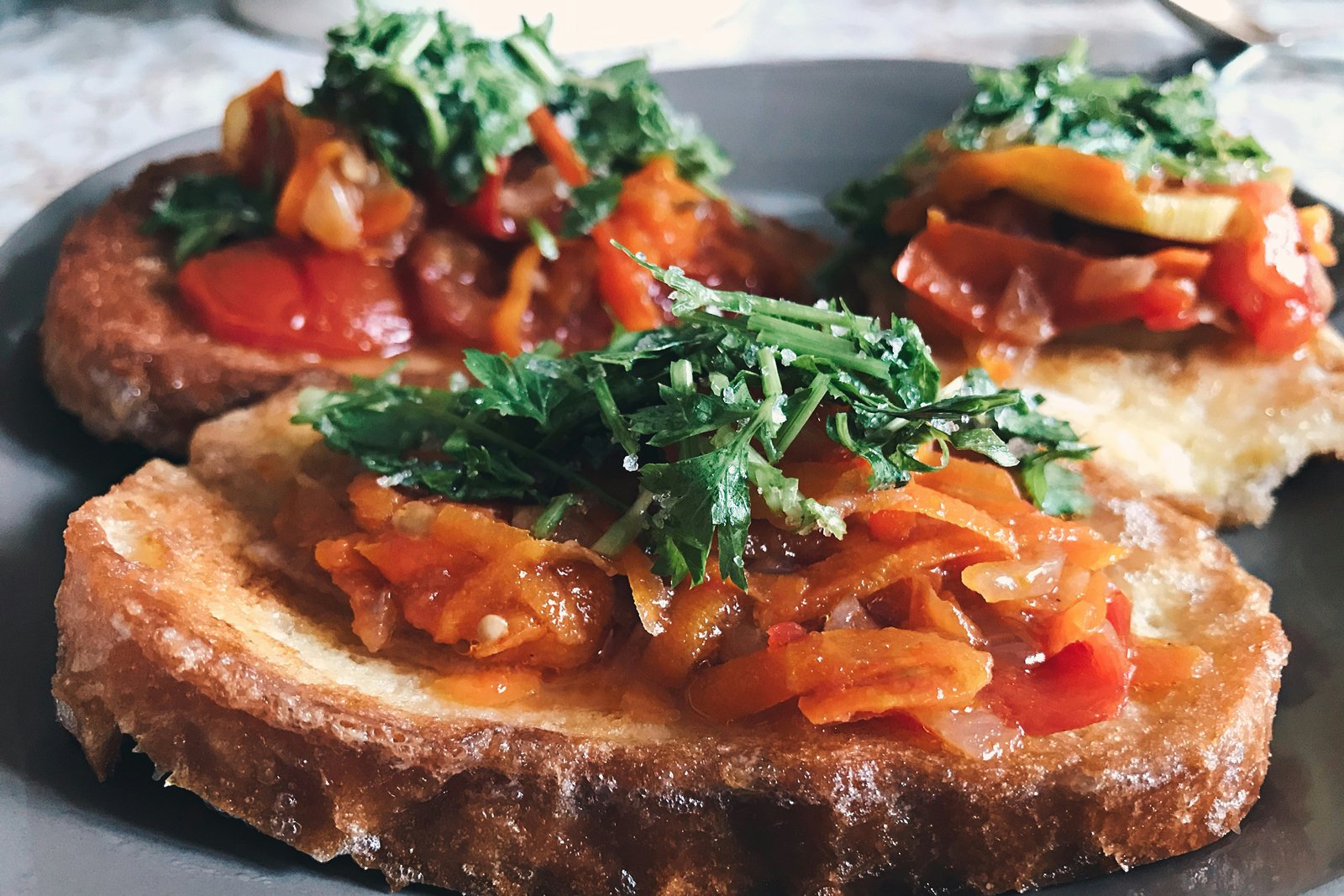
Pa amb tomàquet — bread with tomato; the foundational vegetarian staple.
Patatas bravas — fried potatoes (confirm the sauce; the spicy one is usually veg, but aioli has egg).
Escalivada — smoky roasted peppers, eggplant, and onion; naturally vegan.
Pimientos de Padrón — blistered green peppers; vegan.
Truita de patates — Spanish potato omelet (vegetarian, contains egg).
Espinacs a la catalana — spinach with raisins and pine nuts (sometimes with ham — ask).
Setes / bolets — sautéed mushrooms; grilled vegetables; pan con tomate; olives; many salads.
Vegetable paella / arròs de verdures — at rice specialists, a veg rice option.
Watch for hidden meat: "vegetable" dishes cooked in meat or fish stock, jamón sprinkled on as a garnish, and lard or meat in unexpected places. Always confirm.
Vegan: very doable in a big city
Barcelona has a strong vegan scene — dedicated vegan restaurants, plant-based versions of Spanish classics, and accommodating cafés, concentrated in Gràcia and the central neighborhoods. The naturally vegan traditional options (escalivada, padrón peppers, grilled vegetables, pa amb tomàquet without alioli, olives, many salads) plus the dedicated spots make veganism easy here by Spanish standards. The cautions: the egg in tortilla and aioli, honey, the ubiquity of cheese and jamón, and stocks. Apps and maps of vegan-friendly spots are worth checking, and dedicated restaurants take the guesswork out entirely.
Gluten-free: increasingly well-handled
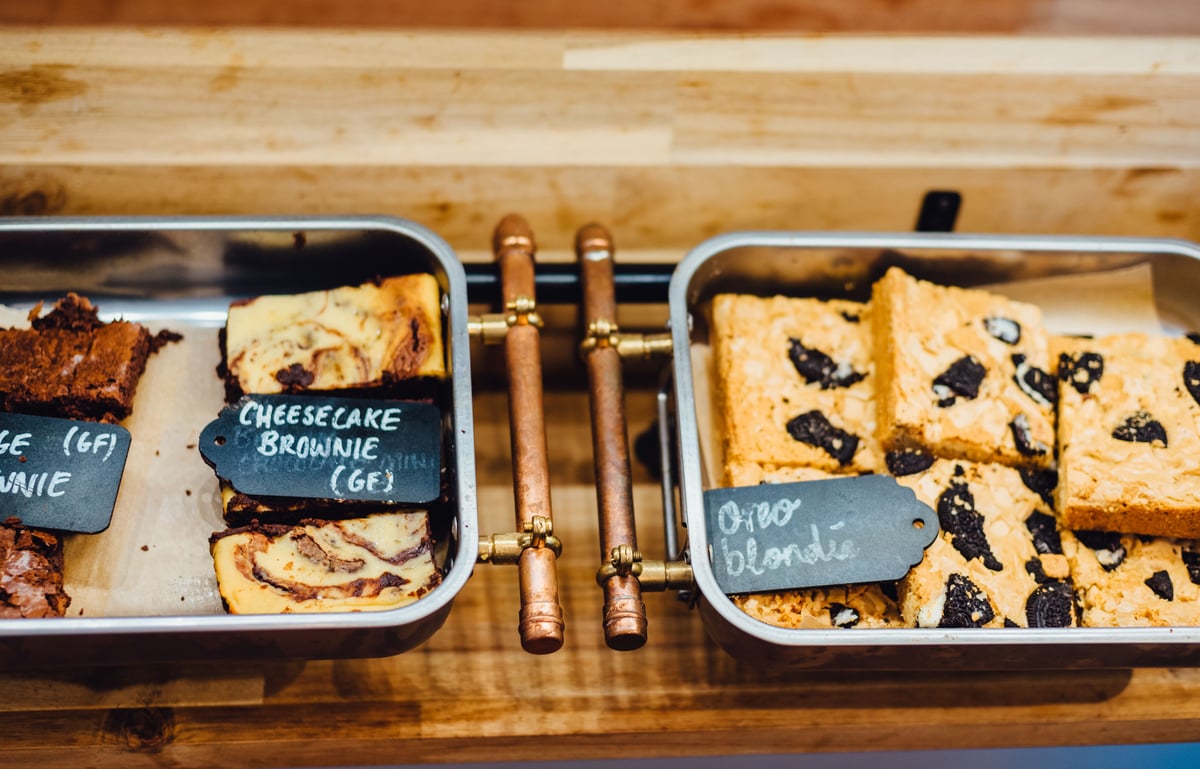
Celiac awareness in Spain is actually quite good — there's an active celiac association, and many restaurants understand "sin gluten" (gluten-free). Dedicated gluten-free bakeries and restaurants exist, and naturally gluten-free Spanish foods are plentiful: jamón and cured meats, cheese, tortilla de patatas, grilled meat and fish, escalivada, padrón peppers, many rice dishes (paella is rice-based, but confirm no wheat additives), and most tapas that aren't bread- or flour-based. The cautions: bread and pa amb tomàquet, croquetas (flour), many fried/battered tapas, and cross-contamination. Look for restaurants marked "sin gluten" or with celiac certification, and learn to ask.
"¿Lleva carne / jamón / pescado?" — Does it have meat / ham / fish?
"¿Lleva huevo / lácteos?" — Does it have egg / dairy?
"Sin alioli" — without aioli (which has egg).
English is widely understood in restaurants, but a few Spanish/Catalan phrases help, especially at traditional spots.
A cultural note on ordering
One thing that helps enormously is understanding the cultural context, because it shapes how your requests land. Traditional Spanish food culture is built around meat, seafood, and sharing, and in older or more traditional establishments, dietary restrictions were historically met with some bafflement — a vegetarian request might once have produced a plate that still contained ham, not from rudeness but because "vegetable dish" didn't always mean meat-free in the traditional mindset. That's changed dramatically in cosmopolitan Barcelona, especially among younger staff and in the central neighborhoods, where vegetarian, vegan, and gluten-free needs are well understood and routinely accommodated. Still, a couple of habits smooth things: be specific and friendly rather than assuming (confirm "no ham, no meat stock" rather than just saying "vegetarian"), and lean toward the dedicated and modern spots when you want zero friction. At a traditional bodega, stick to the dishes you know are safe (escalivada, padrón peppers, pa amb tomàquet); at a contemporary restaurant or a dedicated veggie place, you can relax and explore. Reading which kind of establishment you're in tells you how much explaining you'll need to do — and in a city this cosmopolitan, the easy options are never far away.
Practical tips
Use dedicated spots when you want zero hassle — Gràcia, Raval, Born, and the Eixample have plenty; apps like HappyCow map them.
Markets are your friend — fresh produce, fruit, nuts, and naturally compliant snacks for picnics.
Confirm stocks and garnishes at traditional restaurants — the hidden ham/stock issue is the main pitfall.
Gluten-free travelers: carry the phrases and look for "sin gluten" menus; Spain's celiac awareness is better than many expect.
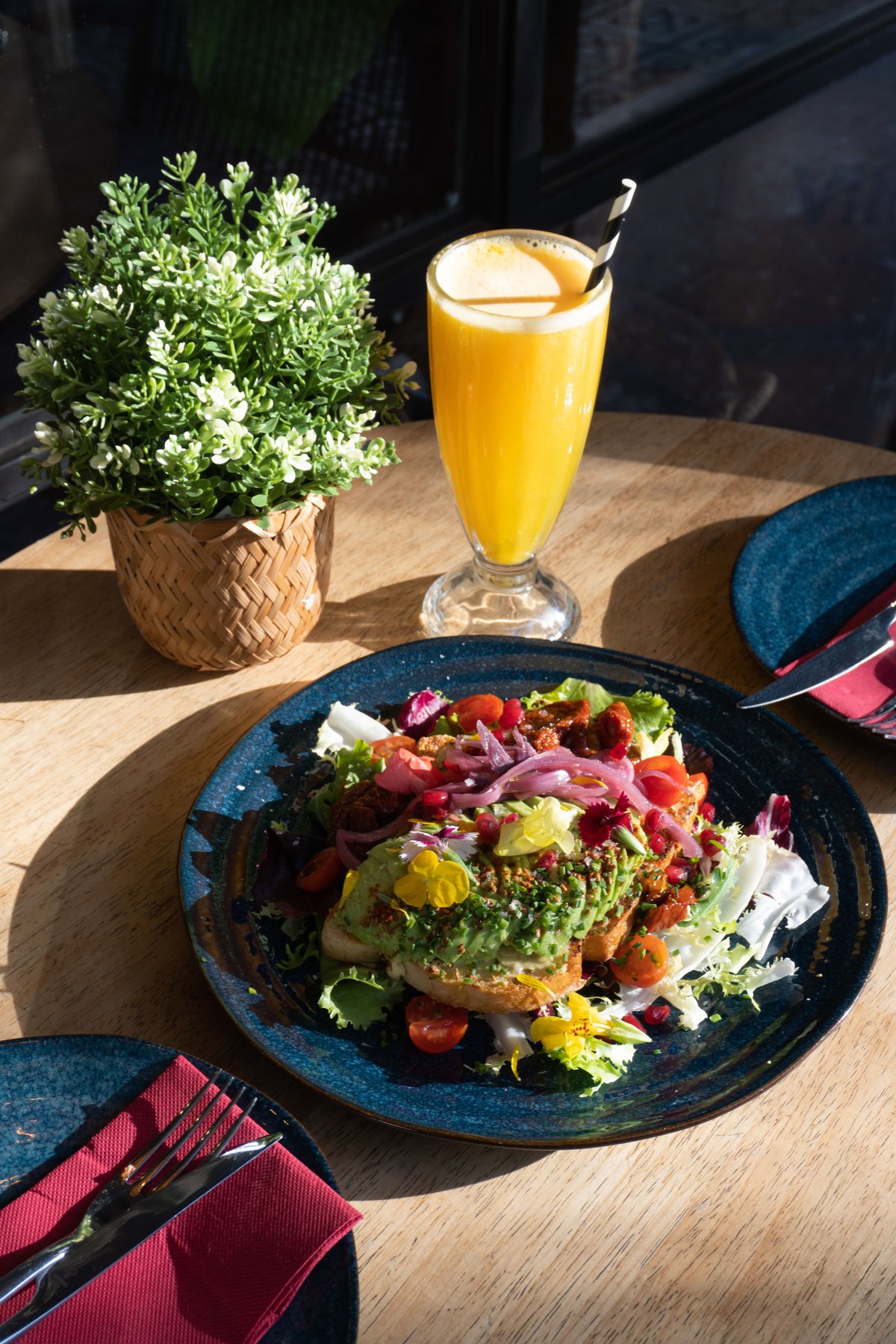
Brunch spots in the trendy neighborhoods reliably cater to all three needs.
Cooking classes can often accommodate dietary needs if you ask ahead — a fun way to learn compliant Spanish cooking.
FAQ
Is Barcelona good for vegetarians and vegans?
Yes — it's one of the easier major Spanish cities, with a thriving dedicated scene (especially in Gràcia, Raval, Born, and the Eixample) plus traditional dishes like escalivada, padrón peppers, and pa amb tomàquet that naturally work. Just watch for hidden ham and meat stocks.
Can you eat gluten-free in Barcelona?
Yes — Spanish celiac awareness is good, many restaurants understand "sin gluten," and dedicated gluten-free spots exist. Naturally GF options abound (jamón, cheese, tortilla, grilled meat/fish, rice dishes), but watch bread, croquetas, battered tapas, and cross-contamination.
What vegetarian Spanish dishes should I order?
Pa amb tomàquet, escalivada (roasted vegetables), pimientos de Padrón, tortilla de patatas (has egg), sautéed mushrooms, grilled vegetables, and vegetable paella at rice specialists. Confirm sauces and that there's no hidden ham or stock.
What phrases help with dietary needs?
"Soy vegetariano/a" (vegetarian), "soy vegano/a" (vegan), "sin gluten" / "soy celíaco/a" (gluten-free/celiac), and "¿lleva carne/jamón/pescado/huevo?" (does it have meat/ham/fish/egg?). "Sin alioli" avoids the egg-based aioli.
Where are the best neighborhoods for dietary-friendly eating?
Gràcia, El Raval, El Born, and the Eixample have the highest concentration of vegetarian, vegan, and gluten-free spots, plus brunch places that reliably cater to all three. Apps like HappyCow help map them.