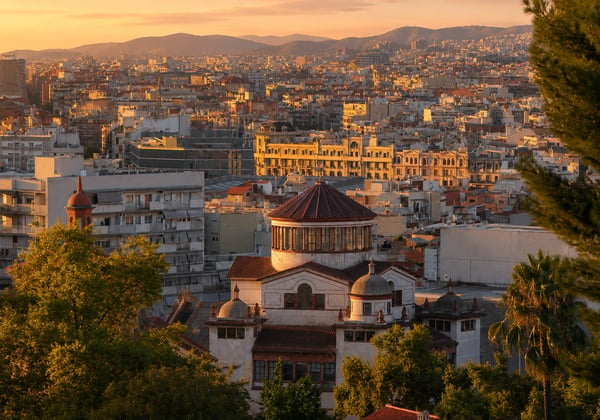
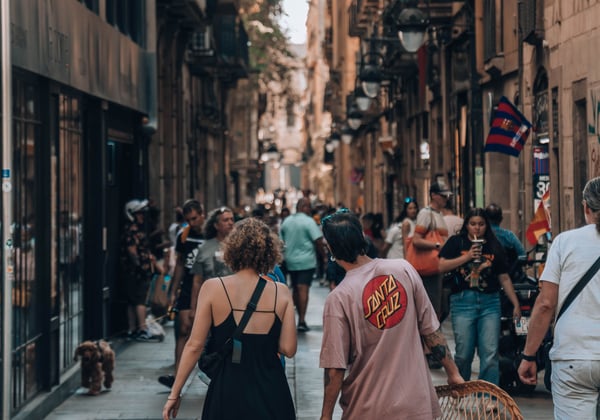
Gràcia is the neighborhood that feels least like a tourist destination and most like a place people actually live — because it is one. A former independent town swallowed by the growing city, it kept its village character: a web of pedestrian-friendly streets opening onto squares where locals gather over vermouth, independent shops instead of chains, and a creative, slightly bohemian spirit. For travelers who want to feel Barcelona rather than just see it, Gràcia is the answer. Here's how to experience it.
Gràcia — plazas and the edge of Park Güell
Gràcia — Village-in-the-city, plaza life
Casa Vicens — Gaudí's first house, in Gràcia
Park Güell — Monumental zone is ticketed & slotted
Where Gràcia is
Gràcia sits above the Eixample, north of the grand grid — close enough to walk down to Passeig de Gràcia, far enough to feel separate. Park Güell is on its upper edge. It was an independent municipality until 1897 and still carries that identity proudly: a denser, more tangled street pattern than the Eixample, built around a series of beloved squares. The metro stops Fontana and Joanic (L4), and Lesseps (L3), serve it; from the center it's a short ride or a 20-minute walk uphill.
The squares are the point
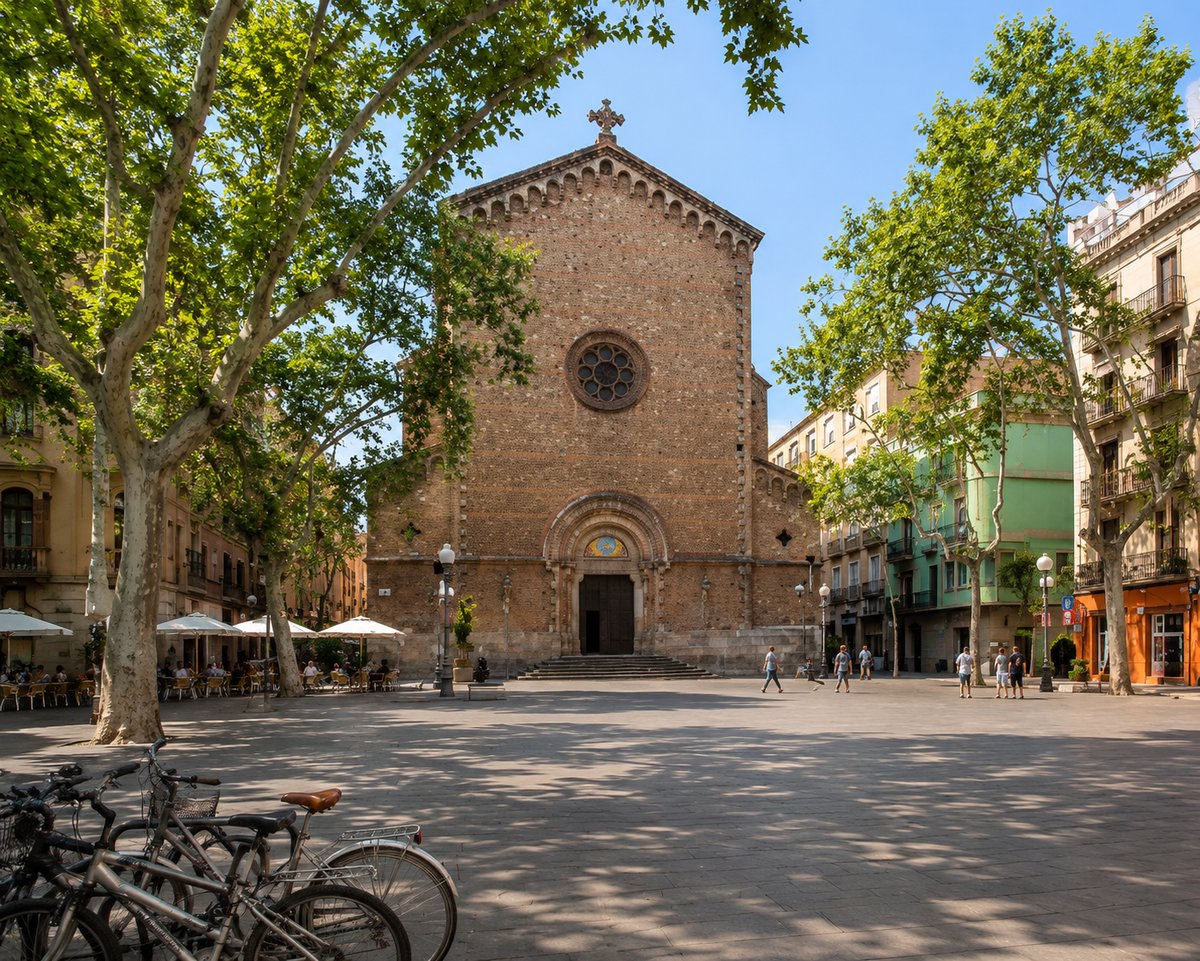
Gràcia's life happens in its plaças, and hopping between them is the way to experience the neighborhood:
Plaça de la Vila de Gràcia. The signature square, with its clock tower (the Torre del Rellotge), ringed by café terraces — the neighborhood's living room.
Plaça del Sol. The bohemian heart, quiet and sunny by day, lively with a young crowd by night.
Plaça de la Virreina. A pretty, church-fronted square that feels genuinely village-like.
Plaça de la Revolució and Plaça del Diamant. Smaller, local, each with its own character (the latter immortalized in Catalan literature).
There's no single "must-see monument" here — the experience is the squares, the terraces, and the unhurried pace.
What to do
Café and plaça life. The core activity: claim a terrace, order a coffee or vermut, and watch the neighborhood go by.
Independent shopping. Gràcia is full of local designers, vintage shops, bookstores, and artisan workshops — browsing here turns up things you won't find on the chain-store boulevards.
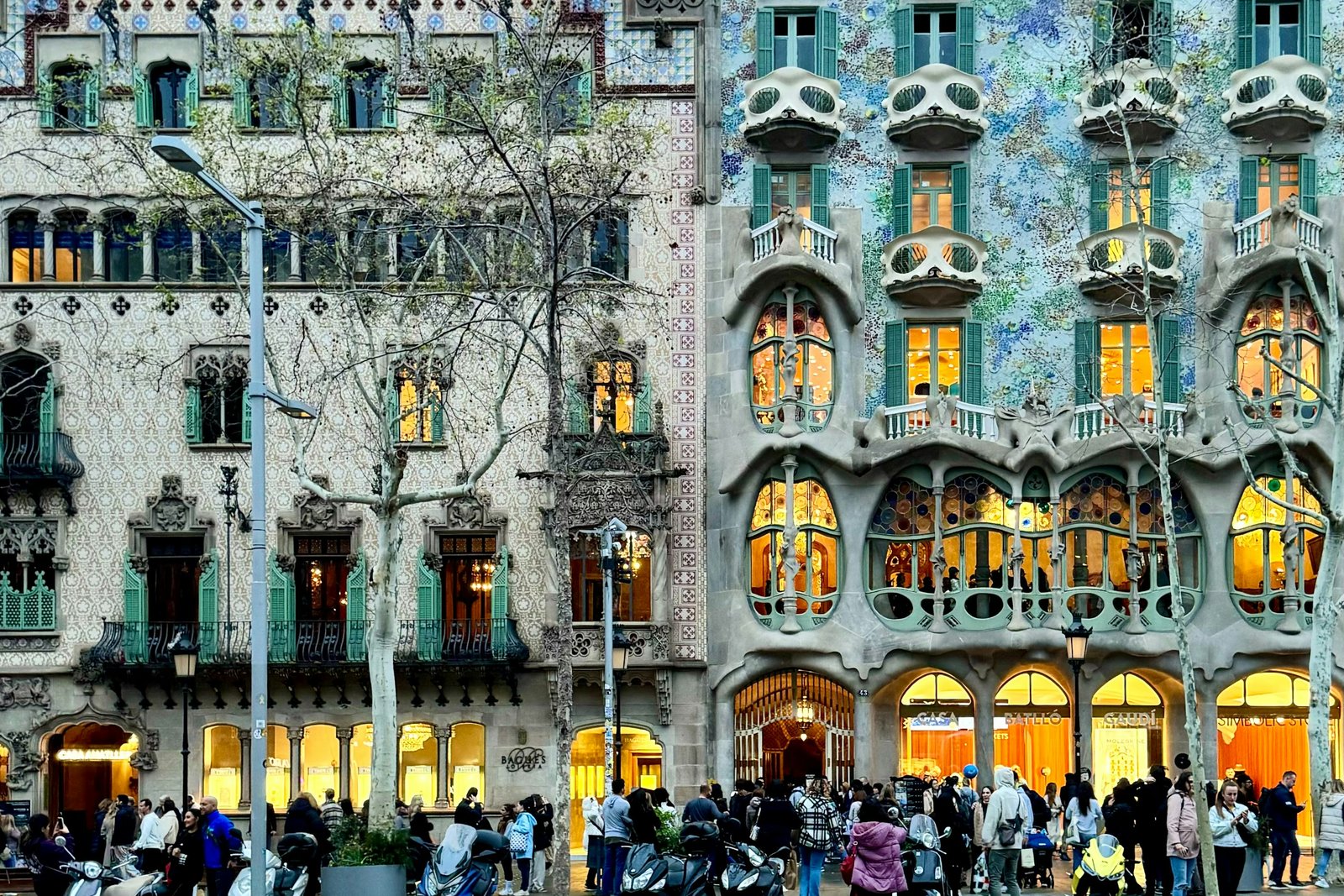
Casa Vicens. Gaudí's first major house, a colorful early work in Gràcia, less crowded than the Passeig de Gràcia houses and worth seeing for Gaudí completists.
Gateway to Park Güell. Gràcia is the natural base for a Park Güell visit — the park sits just above it, and pairing the two makes a perfect day.
The Festa Major de Gràcia (August). If you're here in mid-August, the neighborhood's famous street-decoration festival is spectacular — residents transform their streets with elaborate themed displays.
Eating and drinking
Gràcia eats well and unpretentiously, with a strong independent and international streak alongside traditional Catalan spots. The squares are ringed with terraces; the side streets hide good tapas bars, vermouth spots, vegetarian and global kitchens, and bakeries. It's less about destination dining and more about the pleasure of eating where locals do, at a relaxed neighborhood pace. Vermut hour on a Gràcia terrace is one of the city's quiet pleasures.
Who Gràcia suits
Gràcia is for travelers who prize atmosphere and local life over proximity to monuments. You'll live like a resident and metro down to the big sights — a small daily trade-off for waking up in a real neighborhood rather than a tourist zone. It's a favorite for returning visitors, longer stays, and anyone who found the center too touristy. The trade-off is exactly that distance from the headline sights, plus a more limited (if charming) hotel selection — more apartments and small hotels than big-name properties. (Our where-to-stay guide sets it against the alternatives.)
How to spend time here
Give Gràcia an unstructured afternoon and evening rather than a checklist. Wander up from the Eixample or down from Park Güell, drift between the squares, browse the independent shops, settle onto a terrace for vermut, and stay for dinner as the plaças fill with the after-work crowd. It pairs naturally with a morning at Park Güell just above. The reward isn't a sight you ticked off — it's the feeling of having spent a few hours in the Barcelona that Barcelonans actually inhabit.
The rhythm of a Gràcia day
Part of Gràcia's appeal is that it runs on a local clock rather than a tourist one, and tuning into it is the secret to enjoying the neighborhood. Mornings are quiet and domestic — bakeries, markets, residents running errands, a good time for unhurried coffee and browsing the independent shops before they get busy. Afternoons warm up as the terraces fill; the vermut-before-lunch ritual is alive here, and a midday drink on a sunny plaça is entirely the point. Evenings are when Gràcia comes into its own: the squares fill with an after-work and creative crowd, the bars and small restaurants hum without the rowdiness of the tourist zones, and the whole neighborhood feels like a village block party that happens to recur nightly. If you visit in mid-August, the Festa Major de Gràcia turns the streets into elaborate, competitively decorated installations — one of the city's great neighborhood spectacles, and proof that Gràcia's community spirit is no marketing invention.
FAQ
What is Gràcia known for?
Its village-within-the-city character — a former independent town with pedestrian streets, beloved squares full of café life, independent shops, a bohemian creative spirit, and Gaudí's early Casa Vicens. It's where Barcelona feels most local.
Is Gràcia worth visiting?
Very, if you want to experience local life rather than just monuments. There's no single must-see sight; the appeal is the squares, terraces, shops, and relaxed neighborhood pace — and it pairs perfectly with a Park Güell visit just above.
Is Gràcia a good place to stay?
It's ideal for travelers who value atmosphere over proximity to sights — you'll live like a local and metro to the monuments. The trade-offs are that distance and a hotel selection skewed toward apartments and small properties.
How do I get to Gràcia?
Metro stops Fontana and Joanic (L4) and Lesseps (L3) serve it, or it's about a 20-minute walk uphill from the center. It sits just above the Eixample, with Park Güell on its upper edge.
What are the best squares in Gràcia?
Plaça de la Vila de Gràcia (the signature square with the clock tower), Plaça del Sol (the bohemian heart), and Plaça de la Virreina (village-like and pretty). Hopping between the plaças is the way to experience the neighborhood.