Nothing trips up American visitors to Barcelona more than the meal clock. Dinner at 6pm? The kitchen's closed. Big American breakfast? Not a thing. A drip coffee to go? Good luck. Spanish eating hours and habits are genuinely different, and fighting them is the fast track to bad meals in tourist traps. This guide explains the daily rhythm — breakfast, coffee, the long lunch, the late dinner — so you can eat with the city instead of against it.
The Spanish meal clock
Here's the daily rhythm that governs everything:
Breakfast (esmorzar): light and early-ish — coffee with a pastry or a small savory bite. Not a sit-down event.
Mid-morning (segon esmorzar): around 10–11am, many locals have a second, more savory breakfast — a small sandwich or pa amb tomàquet with coffee.
Lunch (dinar): the BIG meal, eaten 1:30–3:30pm. This is when to feast (ideally on the menú del día).
Afternoon (berenar / vermut): a snack or a pre-dinner vermouth around 6–7pm.
Dinner (sopar): late and often lighter — 8:30–10:30pm. Kitchens frequently don't open before 8pm.
The two things to internalize: lunch is the main meal, and dinner is late. Adjust to that and everything else falls into place.
Breakfast: lower your expectations (in a good way)
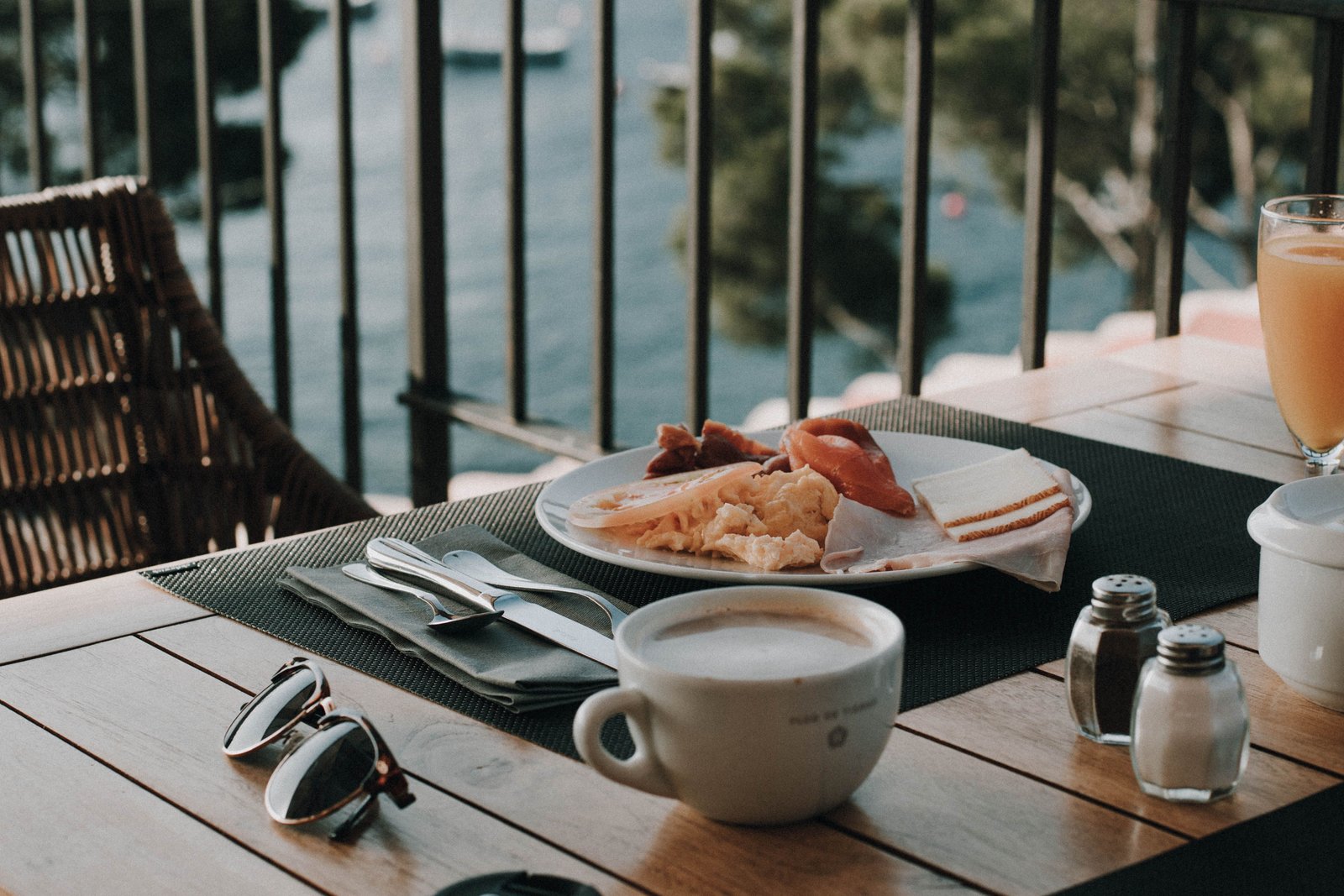
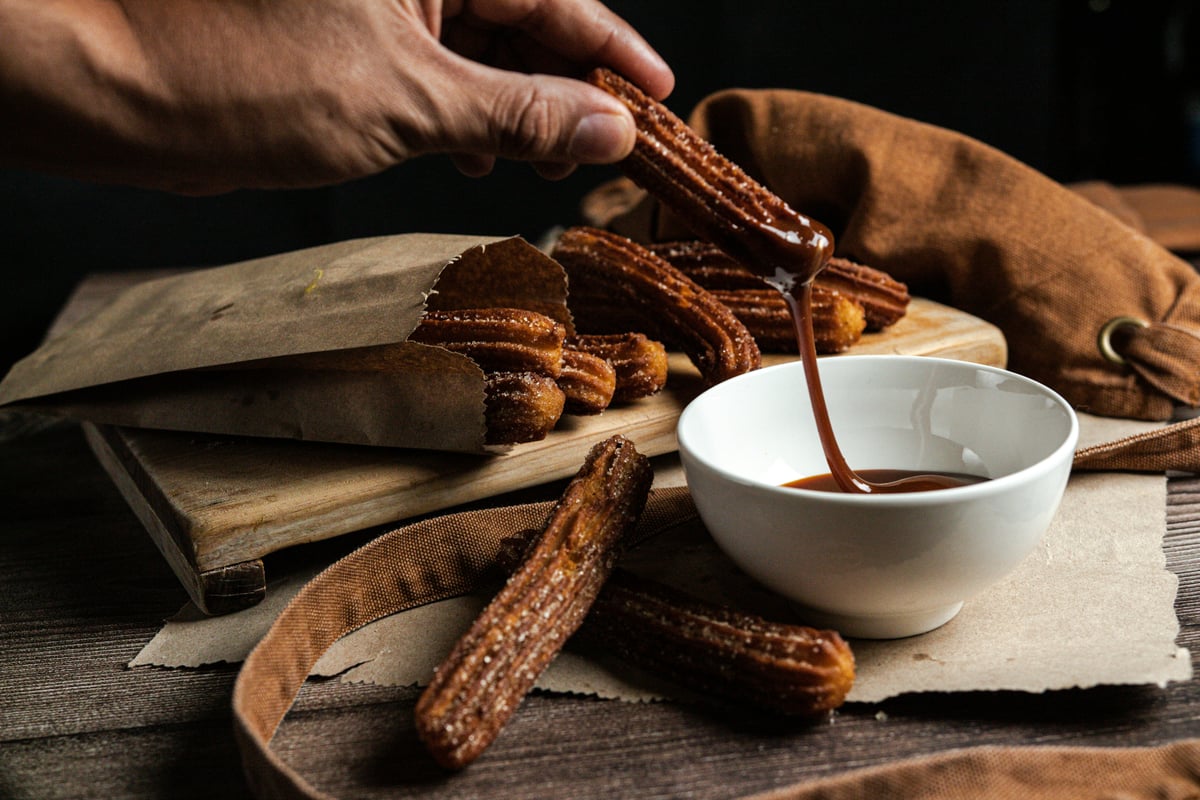
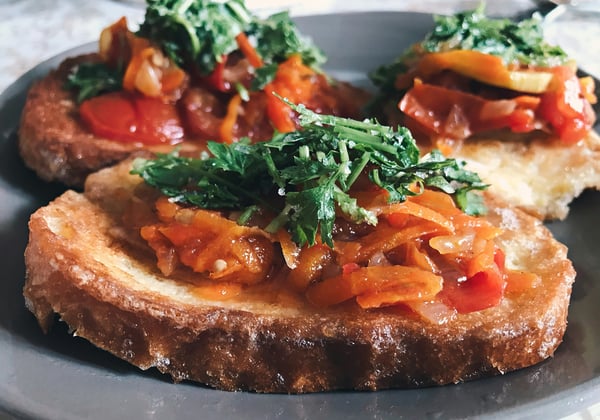
Spanish breakfast is light. Forget eggs, bacon, and pancakes — the typical breakfast is a coffee with a croissant, a pastry, or pa amb tomàquet (toasted bread with tomato and olive oil), sometimes with jamón. A classic indulgence is xocolata amb xurros (thick hot chocolate with churros), more a treat than a daily breakfast. If you crave a big brunch, the city's cosmopolitan brunch scene has grown (especially in Gràcia, Born, and the Eixample) and caters to exactly that — but a traditional Spanish breakfast is small, and that's normal. The upside: a light breakfast leaves room for the big lunch that's coming.
Coffee: how to order it right
Coffee is espresso-based; the American filter-coffee-to-go culture barely exists. Learn these and you'll order correctly:
Café solo / cafè sol — a straight espresso shot.
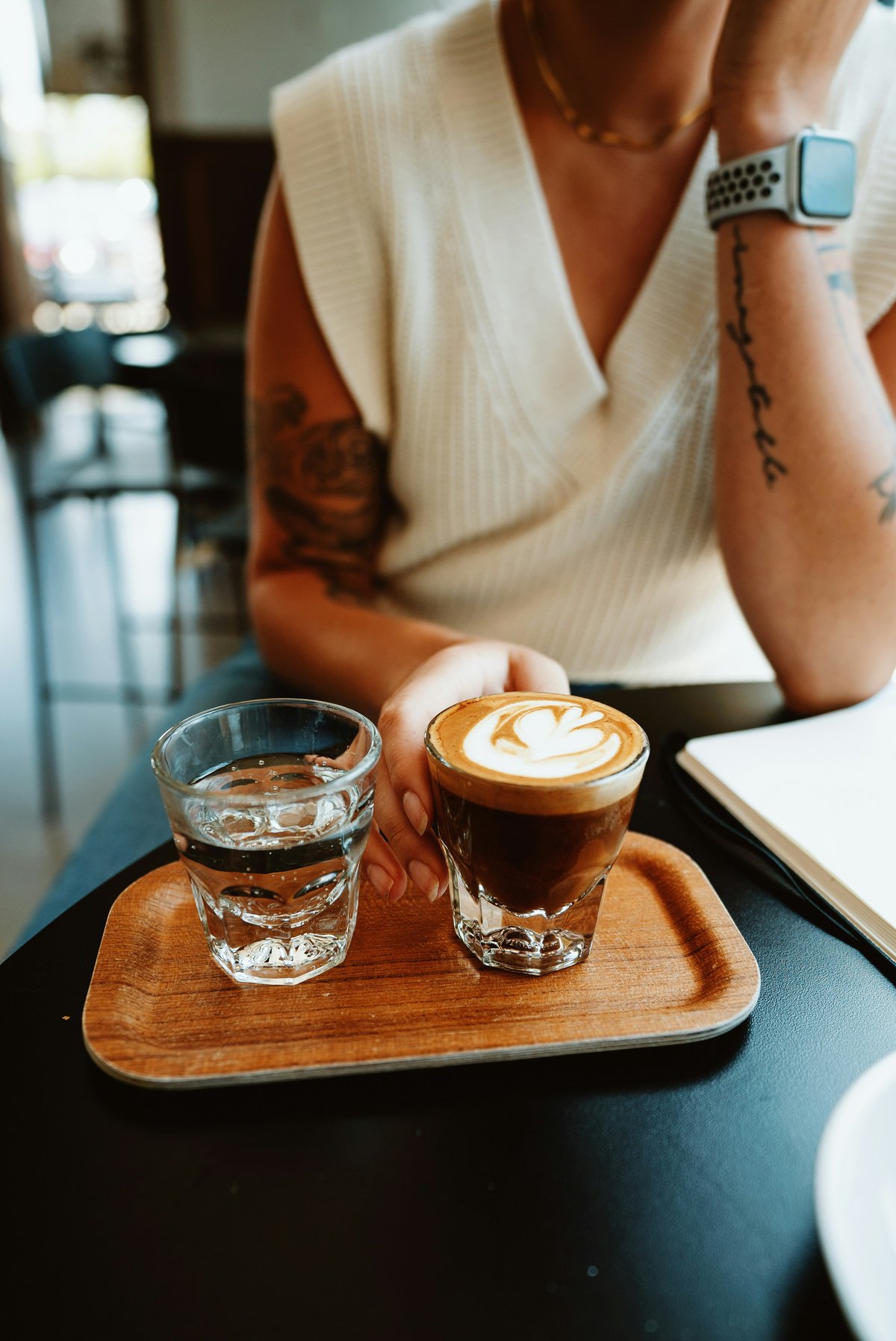
Cortado / tallat — espresso "cut" with a little warm milk; the local favorite.
Café con leche / cafè amb llet — espresso with more hot milk, the closest to a "coffee with milk."
Americano — espresso with added hot water, if you want something closer to American coffee.
Cappuccino — available, but more a tourist order than a local one.
Coffee is usually enjoyed sitting, at the bar or a table — the giant to-go cup isn't the norm, though takeaway exists in modern cafés. A coffee is cheap (often €1.50–2.50) and unhurried; lingering is the point.
Lunch: the main event
Lunch is the big, leisurely meal, eaten 1:30–3:30pm — and the menú del día (see our dedicated guide) is the way to do it: multiple courses, a drink, great value, eaten unhurriedly among locals. Arriving for lunch before 1pm means empty restaurants or tourist spots; the city eats at 2. Treat lunch as your main meal and you eat better, cheaper, and more authentically.
Dinner: late and lighter
This is the biggest adjustment for Americans. Dinner doesn't happen early. Kitchens often don't open until 8pm, and locals eat from 9pm onward; a restaurant full at 9:30 is completely normal. Show up at 6:30 expecting dinner and you'll find closed kitchens or, in tourist zones, the places that cater specifically to confused visitors — exactly the spots to avoid. Dinner is also often lighter than lunch — tapas, small plates — since the big meal was midday. The fix is simple: eat late. Have a late-afternoon snack or vermut to bridge the gap, then dine at 8:30–9 like everyone else.
The siesta and closures
While the dramatic afternoon "siesta" is more myth than reality in a big city like Barcelona, you'll still notice some smaller shops and businesses close in the afternoon (roughly 2–5pm) and reopen into the evening. Restaurants close their kitchens between lunch and dinner service (roughly 4–8pm), which is why you can't get a proper meal at 6pm. Plan around these gaps rather than being caught out: do your big meal at lunch, snack in the afternoon lull, and save serious dining for the evening.
How to survive (and enjoy) the meal clock
Eat your big meal at lunch (menú del día), light at dinner — the local rhythm.
Don't try to dine before 8pm — you'll only find tourist traps.
Use the afternoon snack/vermut to bridge the long gap to late dinner.
Order coffee sitting down, and learn cortado/café con leche.
Keep breakfast light — or seek out the modern brunch scene if you must.
Reserve dinner at popular spots, since everyone's eating in the same late window.
FAQ
What time do people eat dinner in Barcelona?
Late — kitchens often don't open until 8pm, and locals eat from 9pm onward. Arriving for dinner at 6:30 means closed kitchens or tourist traps. Have an afternoon snack or vermut to bridge the gap, then dine at 8:30–9.
What is a typical Spanish breakfast?
Light — coffee with a pastry, croissant, or pa amb tomàquet (toast with tomato and olive oil), sometimes with jamón. Not the big American eggs-and-bacon affair. A mid-morning second breakfast around 10–11am is common.
How do I order coffee in Barcelona?
It's espresso-based: a cortado (espresso with a little milk) is the local favorite, café con leche is espresso with more hot milk, and an americano (espresso with water) is closest to American coffee. Coffee is usually enjoyed sitting down.
Is lunch or dinner the main meal?
Lunch — eaten 1:30–3:30pm, it's the big, leisurely meal, ideally the great-value menú del día. Dinner is later (8:30–10:30pm) and often lighter, like tapas. Eating your main meal at lunch aligns you with the local rhythm.
Do shops and restaurants close in the afternoon?
Some smaller shops close roughly 2–5pm, and restaurant kitchens close between lunch and dinner service (about 4–8pm), which is why you can't get a proper meal at 6pm. The dramatic "siesta" is largely a myth in big-city Barcelona, but these gaps are real — plan around them.