You will be treated first and billed after — but public and private care follow different rules, and only one document trail gets you reimbursed back home.
Getting sick or hurt on a trip is stressful enough without wondering how the bill works — and Spain's hospital system, generous as it is with its own residents, treats an American tourist differently in one specific way: you will absolutely be treated, but you will also, eventually, be billed. Here's exactly how that plays out, in both the public and private systems, and what paperwork actually gets you reimbursed once you're home.
The public ER: treated first, billed after
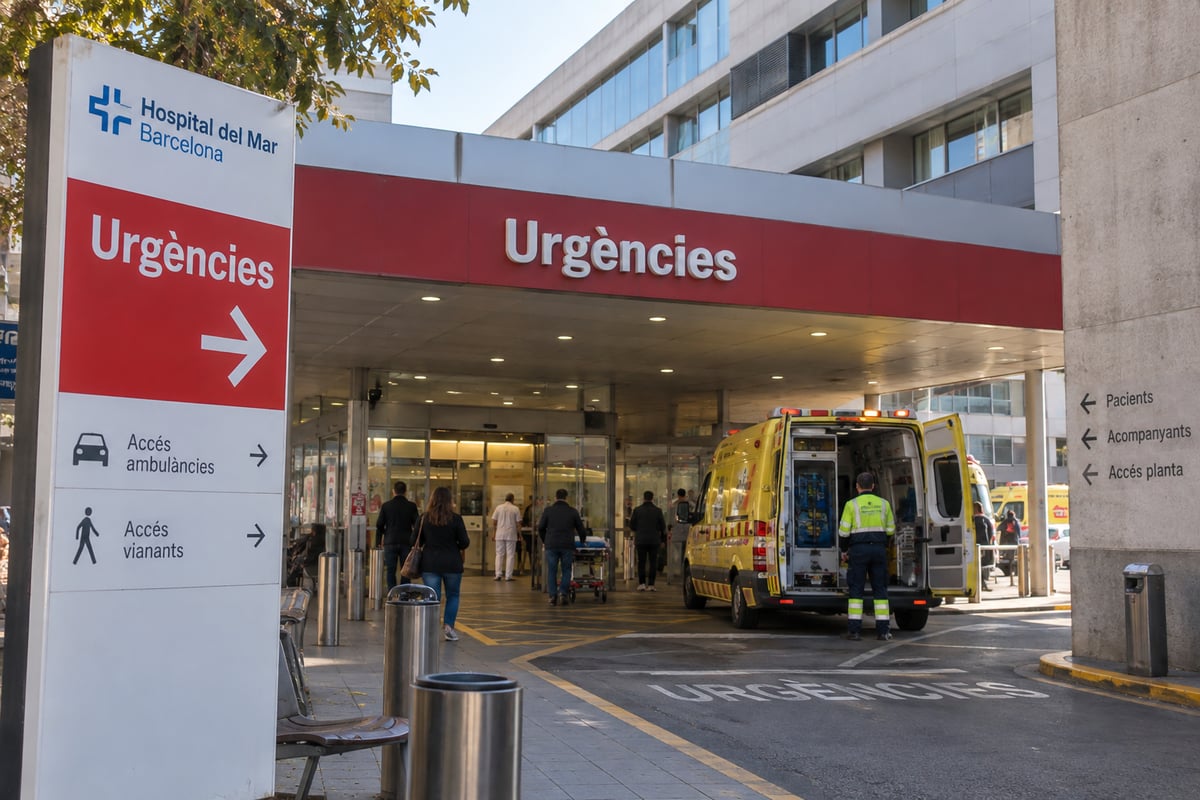
Spain's public hospital emergency departments (urgencias) triage and treat anyone who walks in, regardless of nationality or ability to pay — no insurance card is demanded at the door, and true emergency stabilization cannot legally be refused. Where it changes for a U.S. tourist is afterward: once your care is no longer classified as immediate emergency stabilization, you're billed, since you're not covered the way an EU resident is under Spain's public system. The invoice may be handed to you at discharge or mailed to you afterward, depending on the hospital, and one reported wrinkle worth knowing is that some facilities route billing through third-party intermediaries that can inflate the final amount — not universal, but worth double-checking any invoice that looks unusually high.
Private clinics: pay first, claim later
A private clinic or hospital works the opposite way around: expect to provide a card guarantee or upfront payment before non-emergency treatment, especially anything beyond a basic consultation. In exchange, private facilities are generally faster, more likely to have English-speaking staff, and issue a clean itemized invoice designed for you to submit straight to your travel insurer — which is exactly the point of paying upfront rather than waiting on a mailed bill.
Roughly what things cost
Treat these only as a rough, unverified sense of scale, not fixed prices — check current rates and never plan your trip around a number you read online: a private walk-in consultation runs roughly in the tens to low hundreds of euros; a public ER visit for a non-EU tourist, before any tests or imaging, is often in a similar range and up from there; an overnight stay runs materially more, and an ambulance ride is typically billed separately from the hospital visit itself.
What to keep for reimbursement
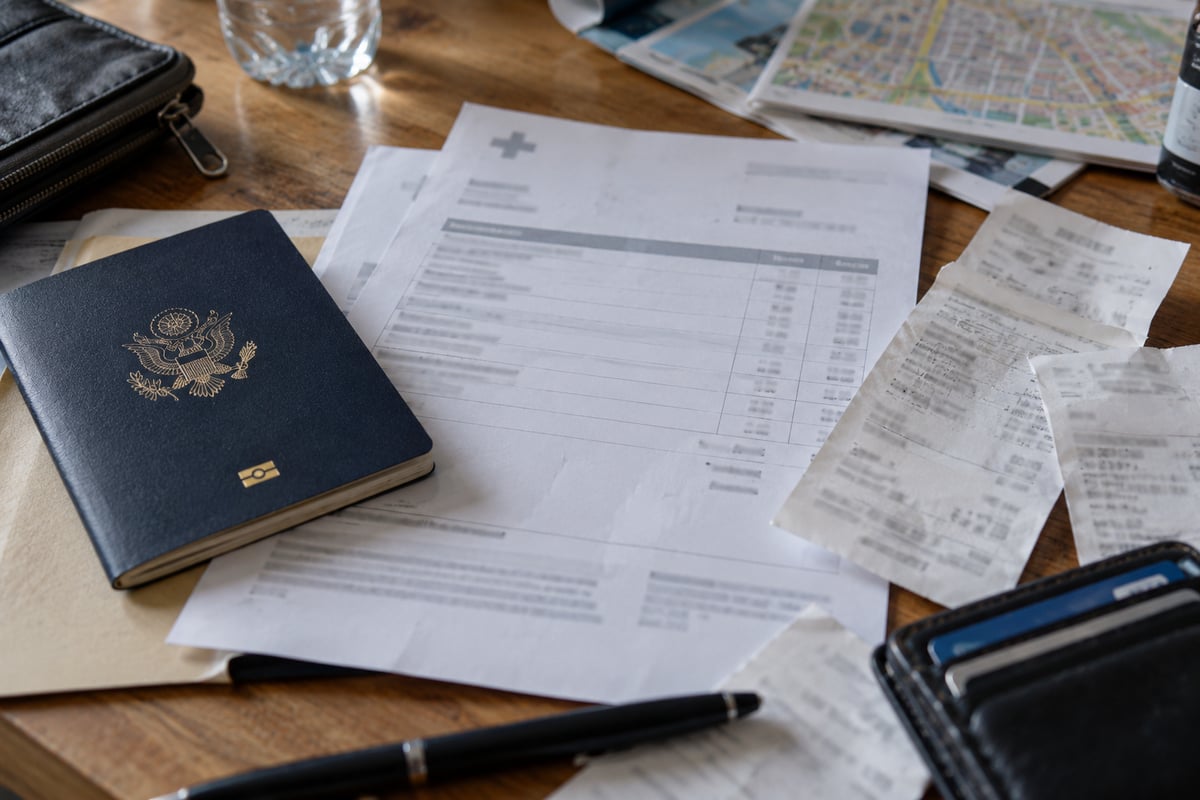
The itemized invoice (factura / factura desglosada) — a summary total isn't enough for most U.S. insurers.
The medical report (informe médico) — diagnosis and treatment in writing.
A discharge summary, if you were admitted.
Any prescriptions issued during treatment.
Every payment receipt — the hospital's, the pharmacy's, the ambulance's, all of it.
Ask for English or bilingual copies before you leave the facility if at all possible — chasing paperwork by mail from Barcelona after you've flown home is far harder than requesting it in person.
The right first stop, not just the ER
Not everything that feels alarming abroad needs a hospital. For anything short of a genuine emergency, a pharmacist can often assess and treat you directly, and a private walk-in clinic is usually faster and cheaper than the public ER for something that needs a doctor but isn't life-threatening — a bad ear infection, a sprained ankle, a stomach bug that won't quit. Save the public ER, or calling 112, for chest pain, difficulty breathing, major trauma, or anything that genuinely can't wait — both the wait time and the eventual bill tend to scale with how the system classifies your visit, so matching the venue to the actual severity of the problem saves you money as well as time.
Why travel insurance isn't optional here
U.S. Medicare and Medicaid do not cover care outside the United States, and most standard U.S. health plans stop at the border too. Without travel insurance, you're paying the full bill out of pocket in the moment, with reimbursement — if any — coming later and only with the paperwork above. A travel medical policy with reasonable coverage limits turns a potentially serious financial hit into a manageable claim, and it's genuinely one of the highest-value purchases you can make for a trip to Spain.
The bottom line
Nobody in Spain will turn you away from emergency care over money, but nobody's going to quietly absorb the cost either — public hospitals bill afterward, private ones bill upfront, and either way, the invoice eventually lands on you unless insurance is standing behind you. Carry a policy before you need one, ask for every piece of documentation on the way out the door, and treat the paperwork with the same seriousness as the visit itself.
FAQ
Will a Spanish hospital treat me without insurance?
Yes — public emergency departments treat anyone regardless of nationality or ability to pay, and cannot legally refuse true emergency stabilization. You will, however, be billed afterward for care beyond that immediate stabilization.
Do I pay upfront at a Spanish hospital?
At a private clinic or hospital, generally yes — expect a card guarantee or upfront payment before non-emergency treatment. Public hospitals more often bill afterward, at discharge or by mail.
What documents do I need for a travel insurance claim after treatment in Spain?
The itemized invoice (factura), the medical report (informe médico), a discharge summary if admitted, any prescriptions issued, and every payment receipt — ideally in English or bilingual copies requested before you leave the facility.
Does Medicare cover me in Spain?
No — Medicare and Medicaid do not cover care outside the United States, and most standard U.S. health plans don't either. Travel medical insurance is the practical substitute for this trip.
How much does an ER visit cost in Barcelona for a tourist?
Costs vary and change over time, so treat any figure as a rough approximation rather than a fixed price — a basic visit is typically in the tens to low hundreds of euros before tests or imaging, with an overnight stay running materially more. Confirm current costs and don't plan around an old number.
Keep planning
Not sure how the slots fit together?
Pick your trip length and we'll route a real day-by-day plan around the timed entries.