Barcelona is one of Europe's great eating cities, and a food tour or cooking class is one of the smartest things a first-timer can do early in a trip — it teaches you how to eat here (the meal times, the markets, the dishes worth ordering) so the rest of your meals are better. This guide covers what the different food experiences actually offer, who each suits, and how to pick one that's the real thing rather than a tourist-trap markup.
Why do a food experience at all?
Two honest reasons. First, Barcelona's food culture has rules that aren't obvious — when people eat (late), how tapas and vermut work, what's Catalan versus generic Spanish, which market stalls are worth it. A good guide front-loads all that, and your independent meals improve for the rest of the trip. Second, the best food spots are often hidden — a backstreet bodega or a market counter you'd never find alone. A tour is a shortcut to the city's real eating, not the Las Ramblas paella traps.
The main types of food experience
Tapas / food walking tours
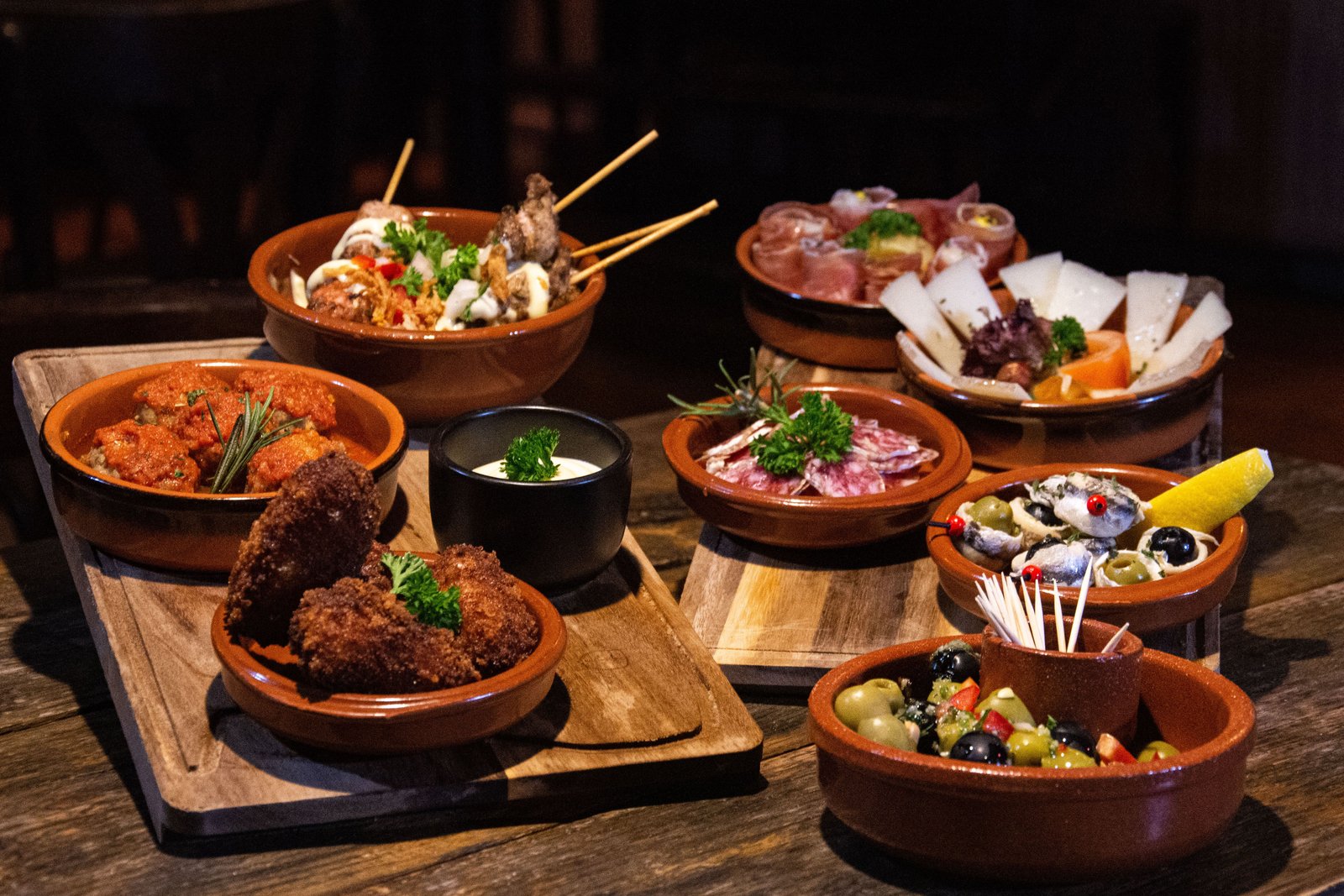
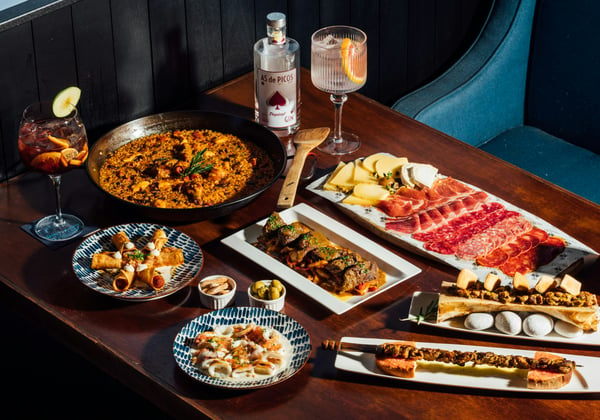
The most popular option: a small group walks a neighborhood (El Born, Gràcia, Poble-sec, or the Gothic Quarter) stopping at several bars and shops to taste tapas, vermut, cheese, jamón, and local specialties, with a guide explaining as you go. Usually 3–4 hours, often in the evening. Best for: first-timers who want orientation plus a meal's worth of food and a few insider spots to return to.
Market tours
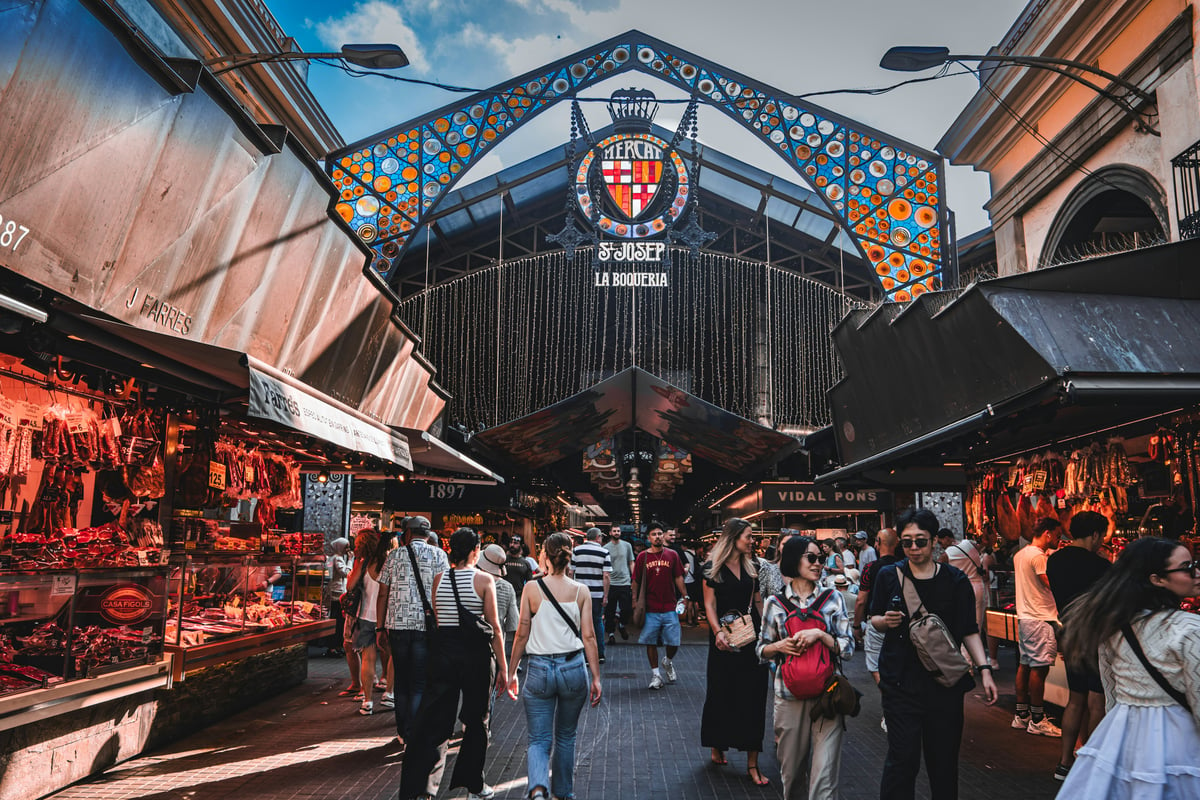
Centered on a market — the famous Boqueria or the more local Santa Caterina or Sant Antoni — these focus on ingredients, producers, and tastings, sometimes paired with a cooking class afterward. Best for: food-curious travelers who want to understand Catalan ingredients, and anyone who'd pair it with cooking.
Cooking classes
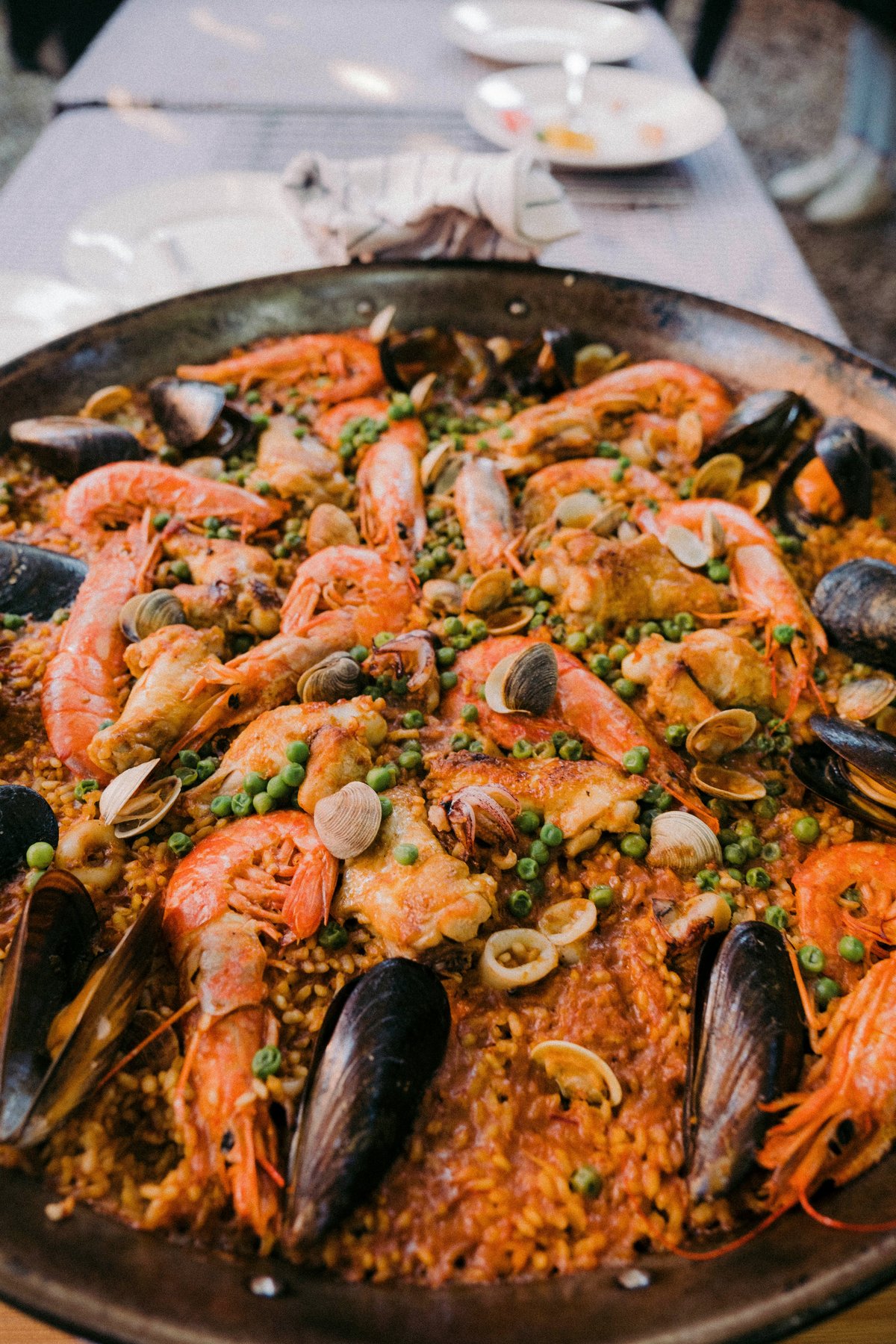
Hands-on sessions where you cook a Spanish/Catalan meal — paella is the headline, often alongside tapas, sangria, or crema catalana — frequently starting with a market shop for ingredients. Two to four hours, ending in eating what you made. Best for: travelers who want an activity and a skill to take home, couples, and rainy-day afternoons. The market-shop-plus-cook format is the most rewarding version.
Specialty experiences
Beyond the basics: wine and cava tastings (the Penedès cava region is close), vermouth crawls, chocolate and pastry walks, and paella-specific workshops. Best for: repeat visitors or anyone with a particular passion to go deep on.
How to pick a good one (and avoid the traps)
Small groups win. Look for 8–12 people max; big bus-tour-sized groups get worse access and rushed tastings.
Check what's included. A real food tour includes enough tastings to count as a meal — confirm the food and drink quantity so you're not paying tour prices for three olives.
Neighborhood matters. Tours through Born, Gràcia, Poble-sec, or Sant Antoni tend to hit authentic spots; be warier of anything centered on Las Ramblas.
Read recent reviews for guide quality and whether the tastings deliver — the guide makes or breaks a food tour.
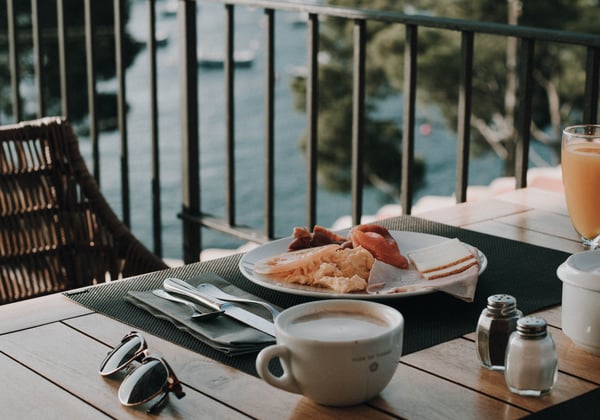
Match the timing to Spanish hours. Evening tapas tours (starting 6–7pm) align with how the city actually eats; a "lunch" tour may run later than your American clock expects.
Book ahead. The well-reviewed small-group experiences sell out, especially in peak season.
What you'll pay, and what's included
Food experiences span a wide price range, and the key is matching what's included to the cost. A small-group tapas or market walking tour is the mid-range option, typically including several tastings and drinks across multiple stops — enough food to count as a meal, which softens the price when you realize you're not also buying dinner. Cooking classes that start with a market shop and end with a full meal you've made sit at the higher end but bundle an activity, a meal, and a skill. Premium experiences (private tours, wine-region day trips, chef-led classes) cost more again. The value test is simple: divide the price by what you actually get — tastings, drinks, a meal, a skill, hours with a knowledgeable guide — and a good food tour usually compares well to just eating at a sit-down restaurant, with far more learning attached. Always confirm exactly what's included before booking so the tasting count matches the price.
When to do it in your trip
Early. A food tour on day one or two pays dividends all week — you'll know what to order, when to eat, and which neighborhood to wander back to for dinner. A cooking class works any time but is a perfect rainy-day or slower-day activity. Either way, come hungry: people consistently underestimate how much food a proper tasting tour involves, then can't finish, then can't eat dinner. Skip the big lunch beforehand.
What you'll learn to order
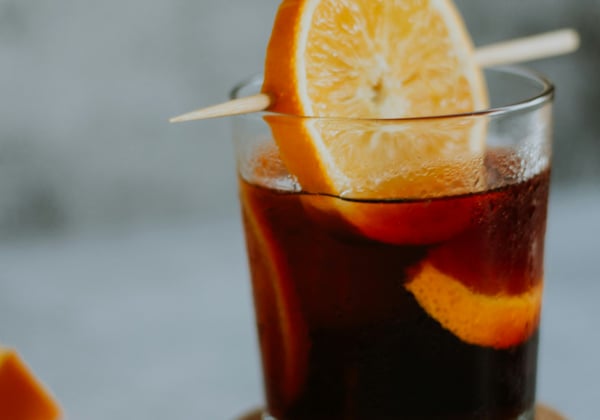
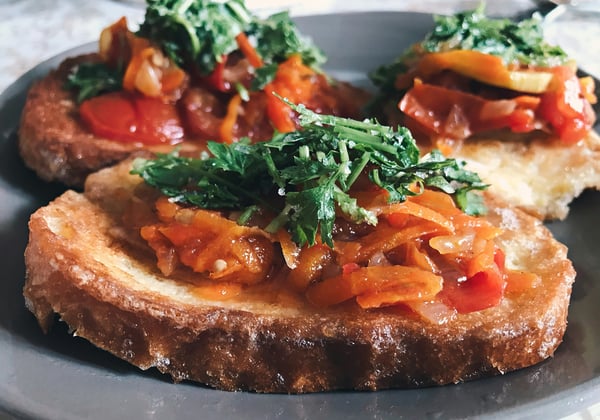
A good experience leaves you fluent in the essentials: pa amb tomàquet (bread rubbed with tomato), proper jamón ibérico, patatas bravas done right, seafood and rice dishes (the real paella and fideuà), Catalan specialties like botifarra and escalivada, the vermut ritual, and cava for a toast. Knowing these names — and that lunch is the big meal and dinner comes late — is the practical payoff that makes every later meal of your trip better.
FAQ
Are food tours in Barcelona worth it?
For first-timers, yes — a good tour teaches you the city's food culture and meal rhythms, includes a meal's worth of tastings, and points you to authentic spots you'd miss alone, making your independent meals better all week.
Food tour or cooking class — which should I pick?
A food/tapas walking tour for orientation and discovery; a cooking class for a hands-on activity and a skill to take home. The market-shop-plus-cook class format is especially rewarding, and a great rainy-day choice.
How long do food experiences last?
Tapas and market tours typically run 3–4 hours; cooking classes 2–4 hours. Evening tapas tours align best with Spain's late dining culture.
How do I avoid tourist-trap tours?
Choose small groups (8–12 people), check that the tastings amount to a real meal, favor tours through Born, Gràcia, or Poble-sec over Las Ramblas, and read recent reviews for guide quality.
When in my trip should I do a food tour?
Early — day one or two — so what you learn about ordering and meal times improves the rest of your meals. And come hungry; proper tasting tours involve more food than people expect.