Here's the honest truth first-time visitors deserve: flamenco is not from Barcelona. It's an Andalusian art form, born in southern Spain, and seeing it in Catalonia is a bit like seeing jazz in a city that isn't New Orleans — you can find excellent performances, but it isn't the local soul, and the region has its own dances (the sardana) it cares about more. That said, Barcelona has genuinely good flamenco if you choose well, and this guide helps you skip the tourist traps and find a performance worth your evening.
Should you see flamenco in Barcelona at all?
If flamenco is high on your list and your trip includes Seville, Granada, or Madrid, save it for there — Andalusia is its home and the depth shows. But if Barcelona is your only stop, yes, absolutely see it here: a good tablao (flamenco venue) delivers the raw guitar, the wailing cante (song), and the thunderous footwork that make flamenco one of the most visceral live experiences in the world. Just go in knowing you're seeing a touring art form performed well, not a hometown tradition.
The three kinds of venue
Tablaos — intimate venues built for flamenco, with professional dancers, often dinner or drinks included. This is where you go for a real performance; the better ones book serious touring artists.
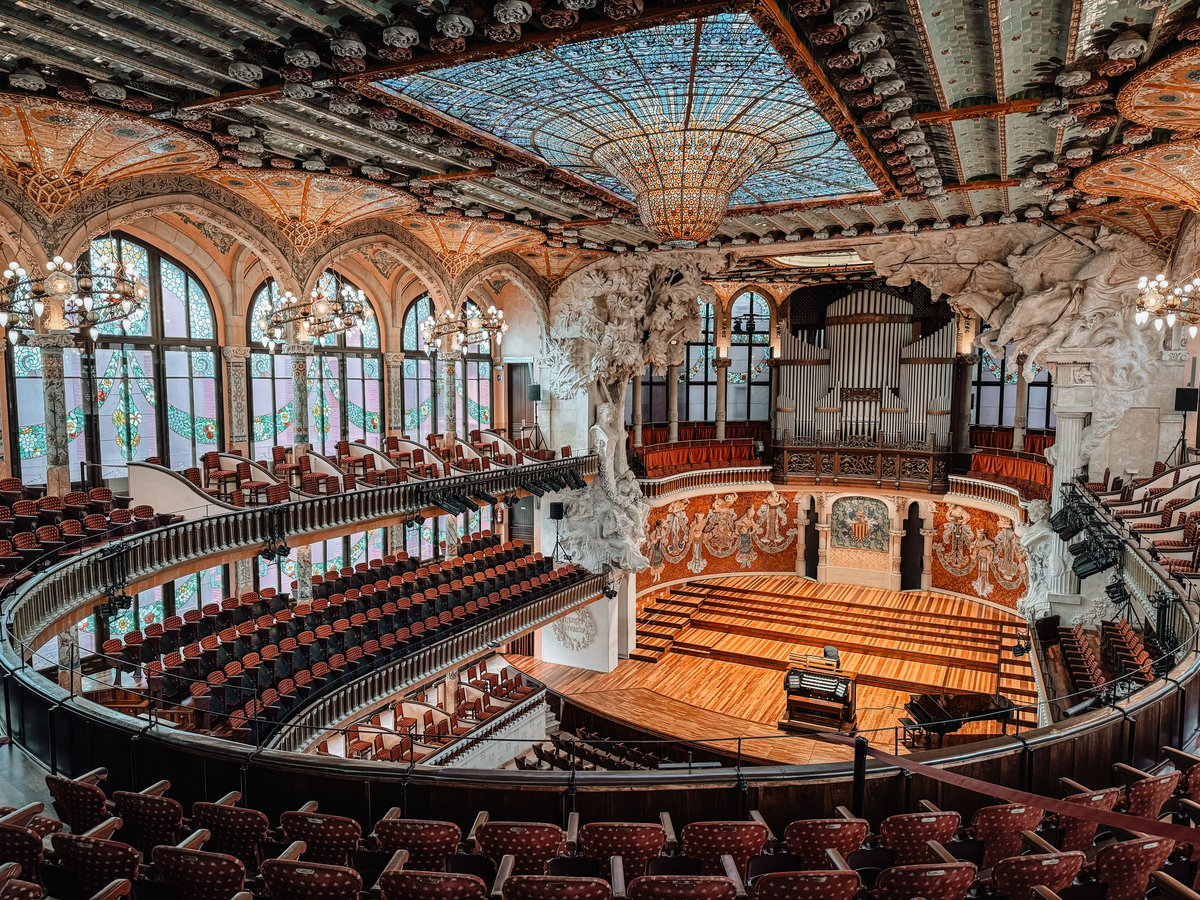
Concert-hall flamenco — notably the Palau de la Música Catalana, which stages flamenco in its breathtaking Modernisme hall. You trade intimacy for one of the most beautiful rooms in Europe — a genuinely special combination if a show aligns with your dates.
Tourist-trap dinner shows — the ones touts push on Las Ramblas, heavy on clichés and weak on artistry. Avoid.
What to look for in a good show
Small and focused. The best flamenco is intimate — a handful of performers close enough that you feel the footwork through the floor. Be wary of huge dinner-theater rooms.
Music over meal. Many venues offer show-only, drink-included, or full-dinner tickets. The food is rarely the point; if budget matters, the show-only or drink ticket gets you the same performance for less.
Real artists, real duende. Quality venues name their performers and rotate touring talent. The art's intensity — that quality the Spanish call duende — is what you're paying for, not a flouncy costume.
Book ahead. The good tablaos and any Palau performance sell out; reserve a few days in advance, especially in peak season.
When and how to go
Shows typically run in the evening, often with two or three sittings a night; the later shows can have a moodier, more local feel. Dress is smart-casual — no need to dress up, but skip the beachwear. Performances run roughly 60–90 minutes. If you choose a dinner option, you'll eat Spanish-late, so don't arrive starving expecting an early meal. Arrive 15–20 minutes before your slot for the better unreserved seats in venues that don't assign them.
A note on the sardana
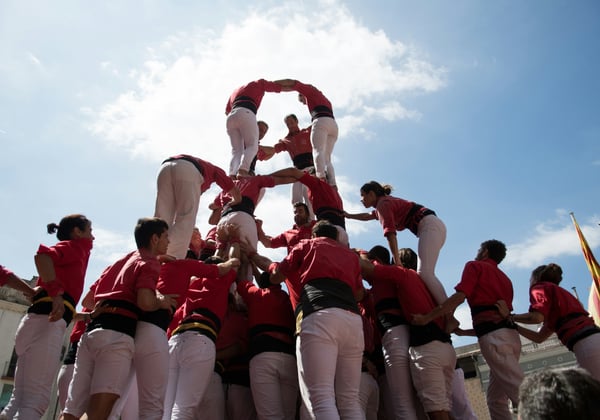
If you want the dance that's actually Catalan, look for the sardana — a communal circle dance performed to a wind-and-brass cobla band, often on weekends in front of the Cathedral in the Gothic Quarter. It's free, it's local, and it's the opposite of flamenco's fiery solo drama: gentle, collective, and quietly moving. Catching an impromptu sardana is a more authentically Barcelona moment than any flamenco show — worth seeking out alongside, not instead of, a good tablao.
What you'll actually see in a show
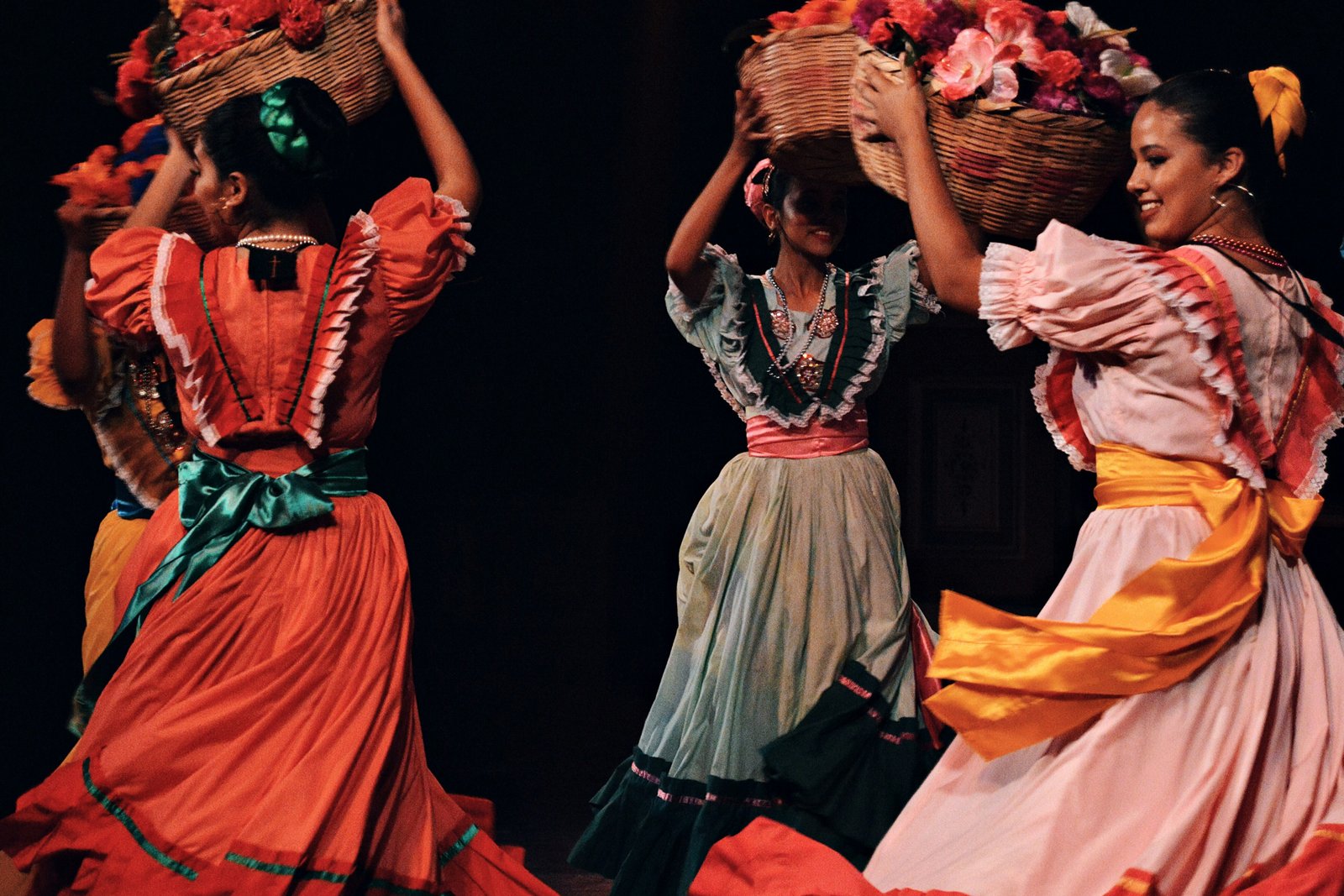
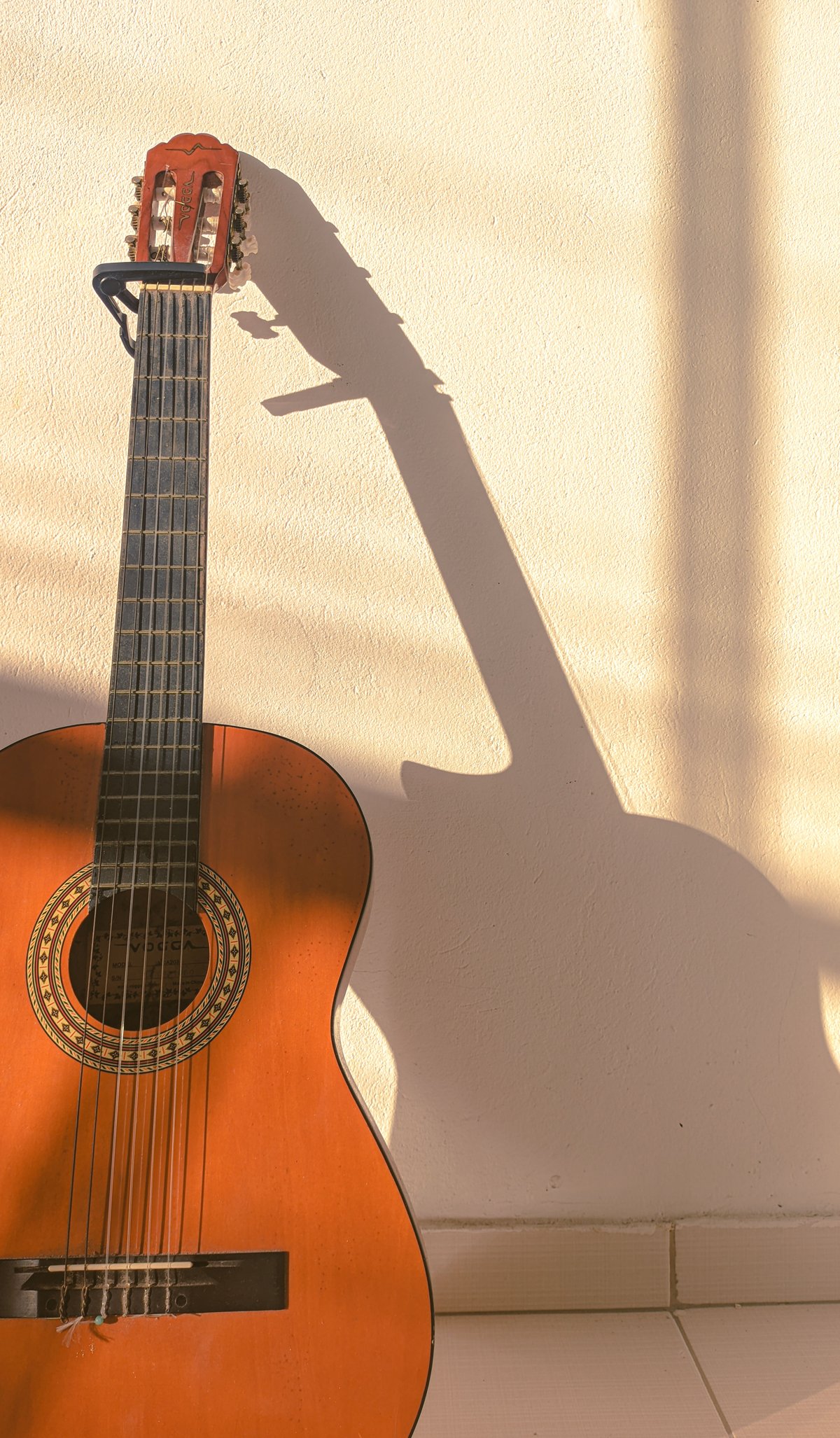
A flamenco performance is built from three elements working together, and knowing them deepens the hour. The cante (song) is the soul — a raw, often anguished vocal that can sound startling to first-timers; it isn't pretty in a pop sense, and that's the point. The toque (guitar) drives and answers the singer. The baile (dance) is the part you came for — explosive footwork (zapateado), sharp turns, and proud, controlled arms, the dancer trading energy with the musicians in real time. Much of it is improvised within traditional forms (palos), which is why no two shows are identical and why live flamenco beats any recording. The crowd's spontaneous shouts of "¡olé!" aren't theater — they're genuine responses to a moment of duende, that hard-to-translate flash when the performance catches fire.
The bottom line
See flamenco in Barcelona if it's your only chance at it, and choose a real tablao or a Palau de la Música performance over the Las Ramblas dinner traps. Go for the show, not the meal; book ahead; and keep your expectations calibrated — this is world-class touring art performed in a city that adopted it, not the beating heart of the tradition. On those terms, a good Barcelona flamenco night is unforgettable — the kind of visceral, in-the-room experience that no video prepares you for, and a worthy use of one of your Barcelona evenings. Pair it with a late Spanish dinner afterward and you've got a quintessentially Spanish night out, even in a city that adopted the art rather than birthing it.
FAQ
Is flamenco authentic in Barcelona?
Flamenco is Andalusian, not Catalan, so Barcelona isn't its birthplace — but the city has excellent tablaos with professional touring artists. See it here happily if Barcelona is your only stop; save it for Seville or Granada if your trip includes them.
Where's the best place to see flamenco in Barcelona?
A dedicated tablao for intimacy and real artistry, or the Palau de la Música Catalana for flamenco in a stunning Modernisme concert hall. Avoid the dinner-show traps touted on Las Ramblas.
Should I get the dinner or show-only ticket?
The show is the point, not the food. Show-only or drink-included tickets get you the same performance for less; choose dinner only if you specifically want the full evening package.
How much does a flamenco show cost?
It varies widely by venue and whether dinner is included — show-only tickets are the budget option, dinner packages cost considerably more. Book ahead, as good venues sell out in peak season.
What's the sardana?
The traditional Catalan circle dance, performed to a live wind-and-brass band — often free, near the Cathedral on weekends. It's the genuinely local dance, gentle and communal, and worth seeking out alongside flamenco.