Barcelona Festivals & Events: The Month-by-Month Guide
From the book-and-rose romance of Sant Jordi to the fire-runs of La Mercè — the major festivals month by month, mostly free, and how to plan around them.
Barcelona's calendar is packed with festivals — and timing your visit to catch one (or deliberately avoid the crowds of another) can transform a trip. From the book-and-rose romance of Sant Jordi to the fire-running chaos of La Mercè, the city's celebrations are vivid, deeply Catalan, and mostly free. This guide runs through the major annual festivals month by month, what each is like, and how to plan around them — including the extraordinary 2026 Gaudí centenary year.
The big traditional festivals
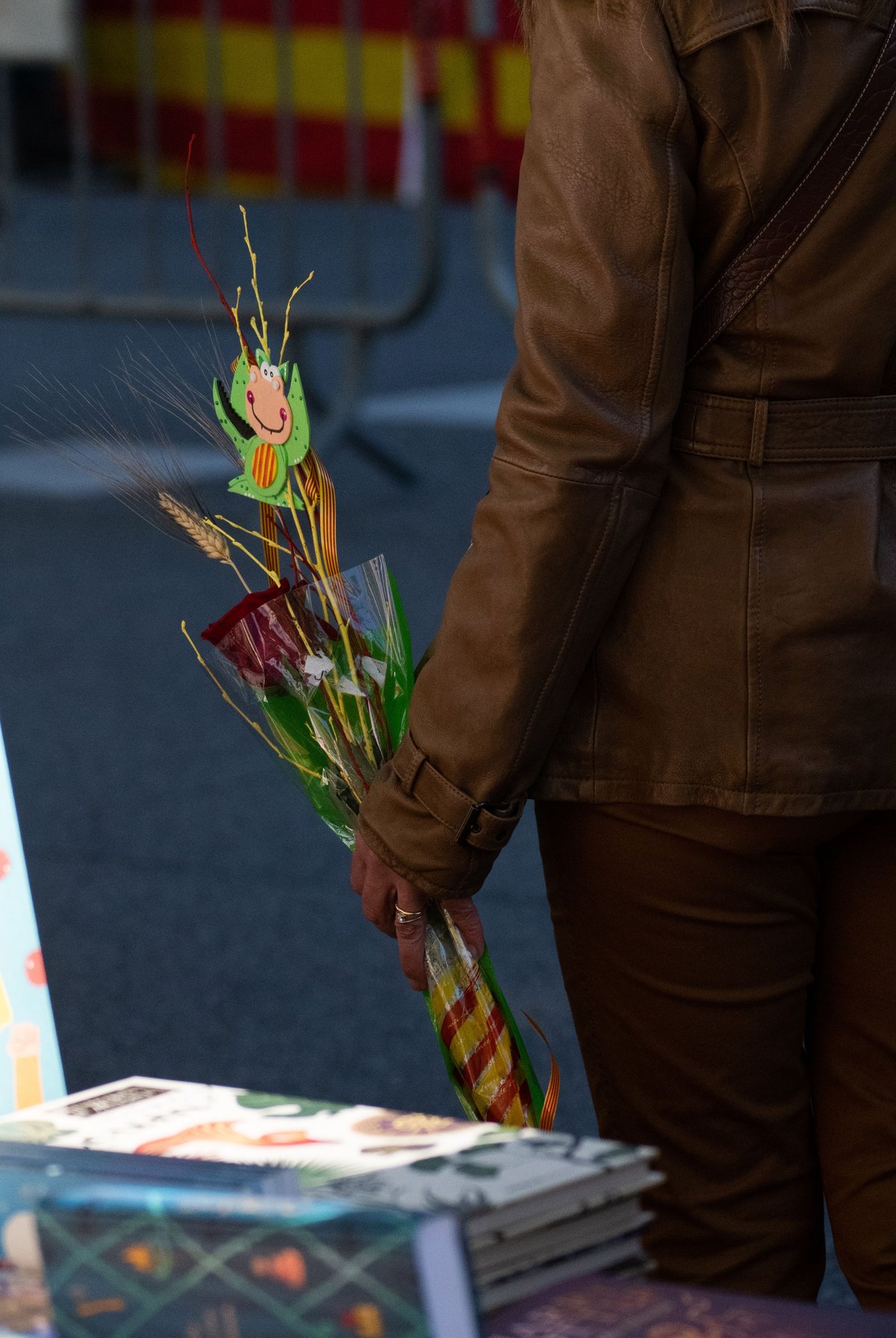
Sant Jordi (April 23). Catalonia's most romantic day — its version of Valentine's Day, celebrating love and literature. The streets fill with stalls selling roses and books; tradition has men give a rose and women give a book (now everyone gives both). La Rambla and the city center become a sea of flowers and readers. Magical, free, and quintessentially Catalan — but watch your belongings in the crowds.
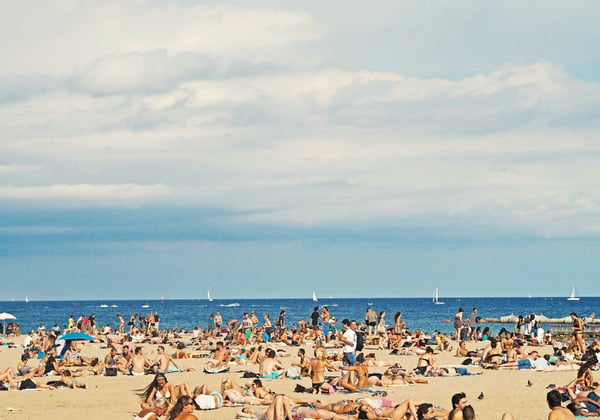
Sant Joan (June 23–24). The summer solstice, welcomed with bonfires, fireworks, firecrackers, and all-night beach parties — "the night of fire." The beaches and streets erupt; it's loud, chaotic, and a true local experience (the 24th is a public holiday).
Festa Major de Gràcia (mid-August, ~14–20). The Gràcia neighborhood's famous street festival, where residents spend months crafting elaborate themed decorations that transform the narrow streets into open-air art installations — coral reefs, jungles, fantasy worlds. Concerts, food stalls, community joy; mostly free (support the local stalls).
Festa Major de Sants (late August, ~22–30). Gràcia's baton passes to the Sants neighborhood a week later — same decorated-streets spirit, often a bit more relaxed and local.
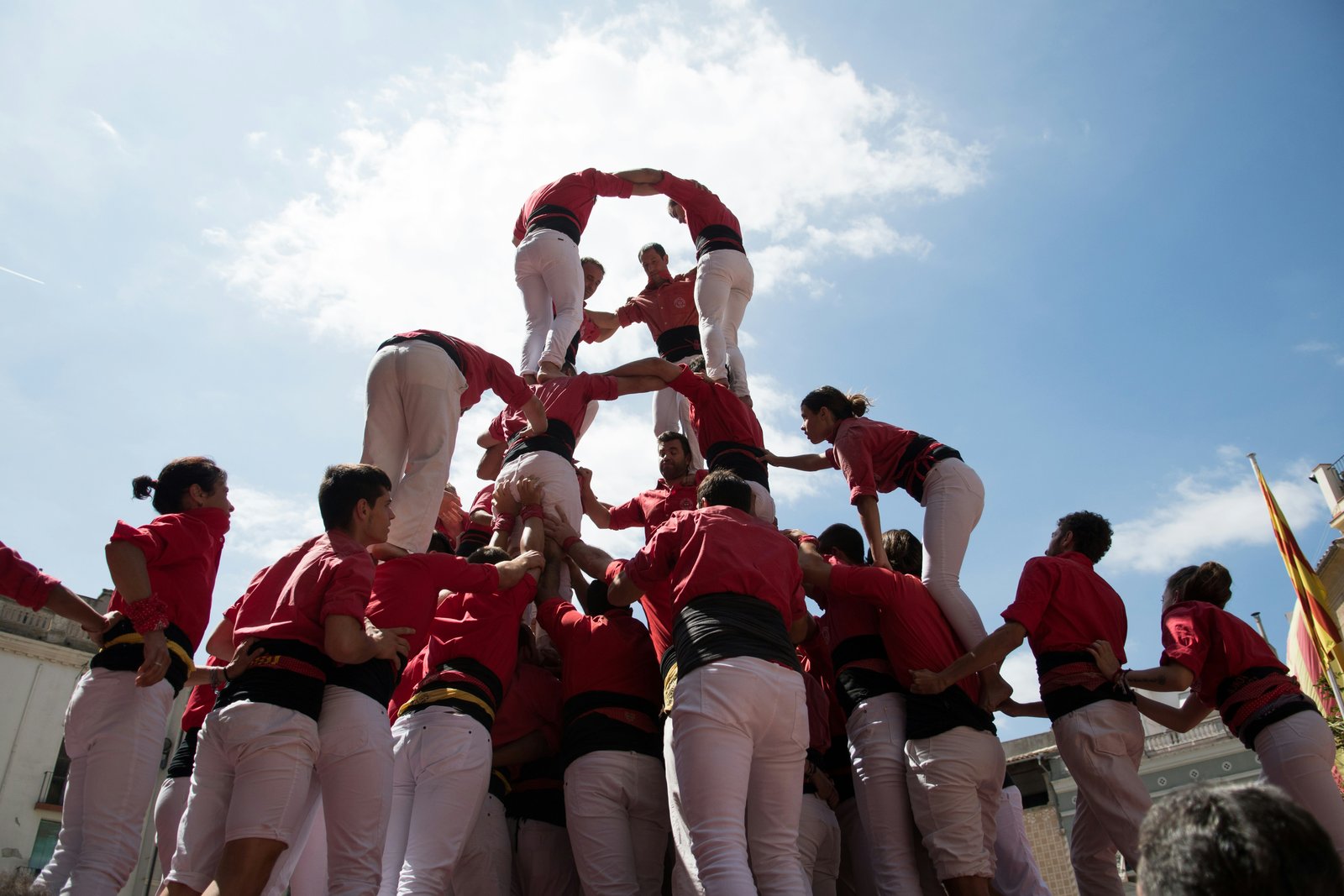
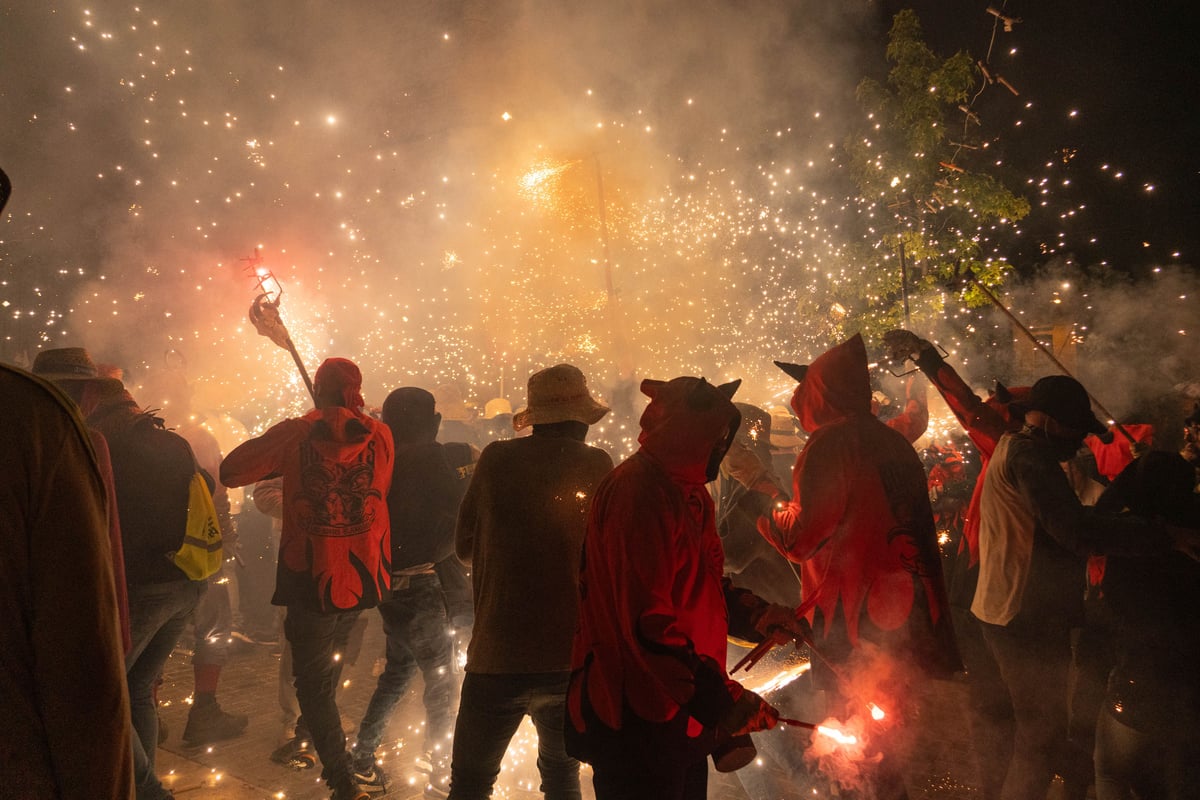
La Mercè (September 23–27). Barcelona's biggest festival, honoring its patron saint (the 24th is the city holiday). The full spectacle of Catalan tradition: correfocs (fire-runs with costumed "devils" spraying sparks), castellers (human towers) in Plaça Sant Jaume, giant parades, projection mapping, concerts, and a grand fireworks finale near Plaça Espanya. The single best time to witness Catalan culture at full volume — overwhelmingly free.
Winter and spring events
Three Kings Parade (January 5). The Cavalcada dels Reis — a dazzling evening parade as the Three Kings arrive, marking the climax of the Christmas season (Spanish children get gifts on January 6, not Christmas Day).
Santa Eulàlia & Carnival (February). The winter patron-saint festival (Santa Eulàlia, family-friendly, castellers and giants) overlaps with Carnival's costumed parades and parties — a lively February double-header.
Llum BCN (February). A spectacular light-art festival in Poblenou, with large-scale illuminated installations projected onto streets and buildings.
The music festivals (book ahead)
Unlike the free traditional festivals, the big commercial music festivals require advance tickets, often selling out:
Primavera Sound (late May/June). One of Europe's premier music festivals, a massive international lineup drawing huge crowds.
Sónar (June). The renowned electronic music and digital-arts festival.
Cruïlla (July). A diverse summer music festival.
Grec Festival (summer). The city's summer arts festival — theater, dance, and music across venues, some free or affordable.
Jazz Festival (autumn). A respected season of jazz across the city.
For these, tickets typically go on sale in winter for the following summer — buy early if a specific festival is your goal.
The 2026 Gaudí centenary overlay
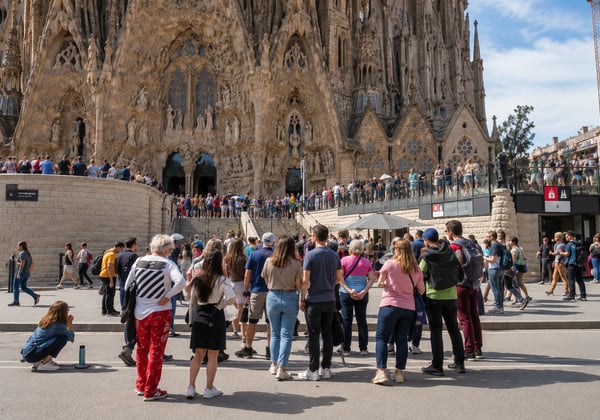
2026 adds an extraordinary layer to the usual calendar — the Gaudí centenary and the Sagrada Família's completion bring special exhibitions, concerts, and nightly façade light projections on the Sagrada Família and Casa Batlló throughout the year (see our centenary guide). It means more to see whenever you visit, but also elevated crowds and prices across all seasons. If you're coming in 2026, the centenary events layer onto whatever traditional festival falls during your dates.
How to plan around festivals
To catch a festival: aim for La Mercè (late Sept) for the fullest Catalan spectacle, Sant Jordi (Apr 23) for romance and books, or a neighborhood Festa Major (August) for community charm.
Book accommodation early around major festivals — La Mercè and the August festes fill rooms and raise prices.
Exact parade/casteller times are announced just weeks ahead — check the official Barcelona city council events page close to your trip for precise schedules.
Most traditional festivals are free — you just show up; only the commercial music festivals need tickets.
Expect crowds and guard valuables — La Rambla during Sant Jordi and the Gothic Quarter during La Mercè are pickpocket hotspots.
Transit runs extended hours during La Mercè and Sant Joan, often through the night.
Some travelers prefer to avoid the biggest festival crowds — if you want a quieter trip, check the calendar and sidestep the peak dates.
The bottom line
Barcelona's festivals are among its greatest free experiences — vivid windows into Catalan identity, from the human towers and fire-runs of La Mercè to the book-and-rose romance of Sant Jordi and the handmade street art of the Gràcia festa. Timing a visit to catch one adds something no museum can; just book early, guard your belongings in the crowds, and check official sources for the exact schedules, which firm up close to the dates. Whenever you come in 2026, the Gaudí centenary ensures there's something special happening alongside.
FAQ
What is the biggest festival in Barcelona?
La Mercè (September 23–27), honoring the city's patron saint, is the biggest — featuring correfocs (fire-runs), castellers (human towers), giant parades, projection mapping, concerts, and a fireworks finale. It's the fullest display of Catalan tradition, and mostly free.
What is Sant Jordi?
Catalonia's version of Valentine's Day (April 23), celebrating love and literature — the streets fill with stalls of roses and books, and people exchange them. La Rambla becomes a sea of flowers and readers. It's free, romantic, and quintessentially Catalan.
When are Barcelona's neighborhood street festivals?
The Festa Major de Gràcia is in mid-August (around the 14th–20th), with elaborate handmade street decorations, followed by the Festa Major de Sants in late August (around the 22nd–30th). Both are free, community-run, and full of decorated streets and concerts.
Do I need tickets for Barcelona festivals?
Most traditional festivals (Sant Jordi, Sant Joan, La Mercè, the neighborhood festes) are free — you just show up. Only the commercial music festivals like Primavera Sound and Sónar require advance tickets, which often sell out, so book early.
How do I find exact festival dates and times?
Major festival dates are fixed (e.g. Sant Jordi April 23, La Mercè September 23–27), but exact parade and casteller times are announced just weeks ahead. Check the official Barcelona city council events page close to your trip for precise schedules.