Camp Nou in 2026: What the Renovation Lets You Visit
The classic stadium tour is suspended for the rebuild — here's what the Barça Immersive Tour actually includes, whether it's worth it, and when the full tour returns.
Let's be clear up front, because it changes everything about planning this visit: as of 2026, you cannot do the classic Camp Nou stadium tour — no pitch, no dressing rooms, no players' tunnel. FC Barcelona's stadium is in the middle of a massive rebuild, and the traditional tour is suspended. What's open instead is a museum-and-immersive experience plus a view of the construction. This guide explains exactly what you can and can't see right now, whether it's worth it, and what's coming.
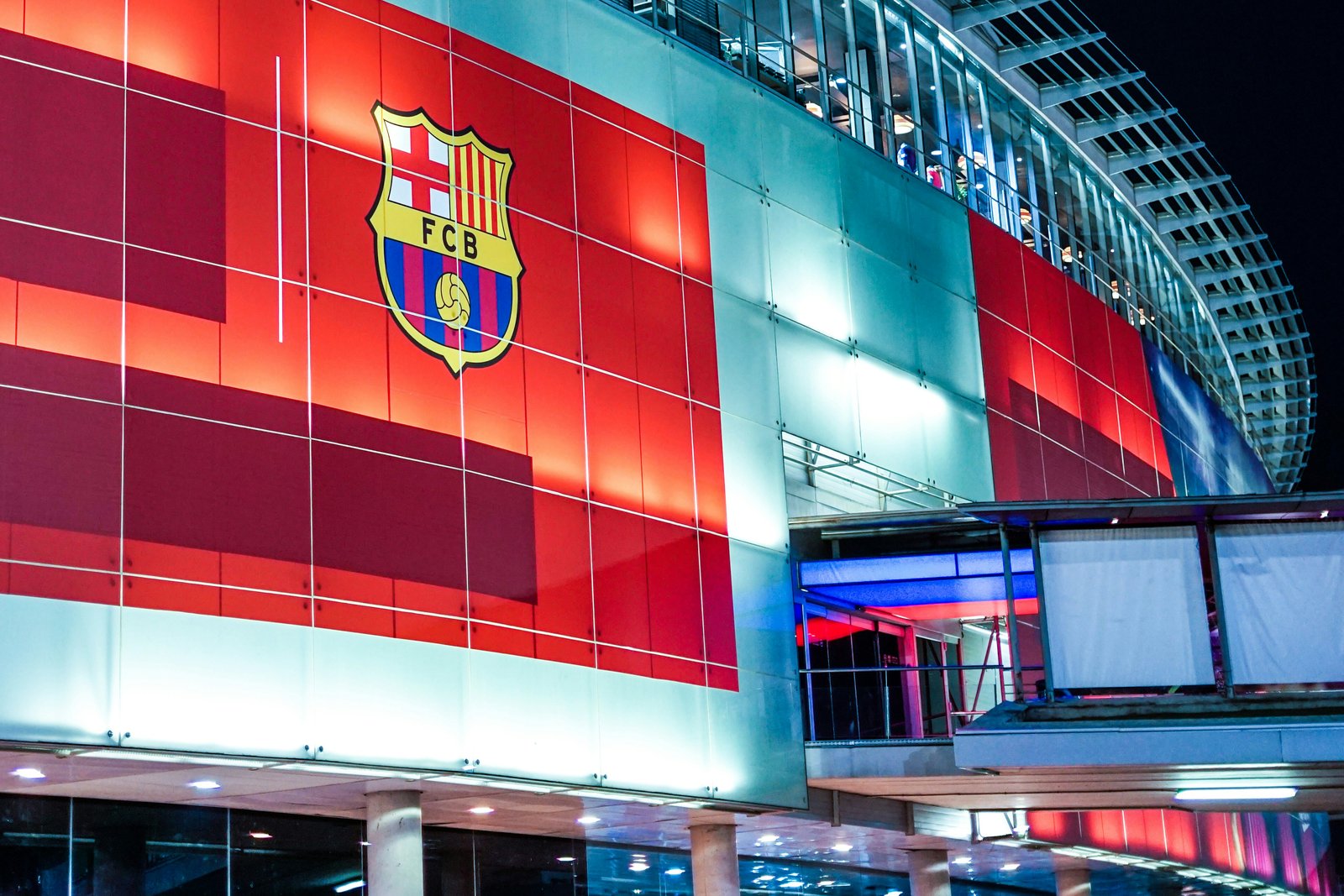
Camp Nou — and the station you'll arrive at
Camp Nou — FC Barcelona — under renovation in 2026
Barcelona Sants — Main long-distance train station
What's happening at Camp Nou in 2026
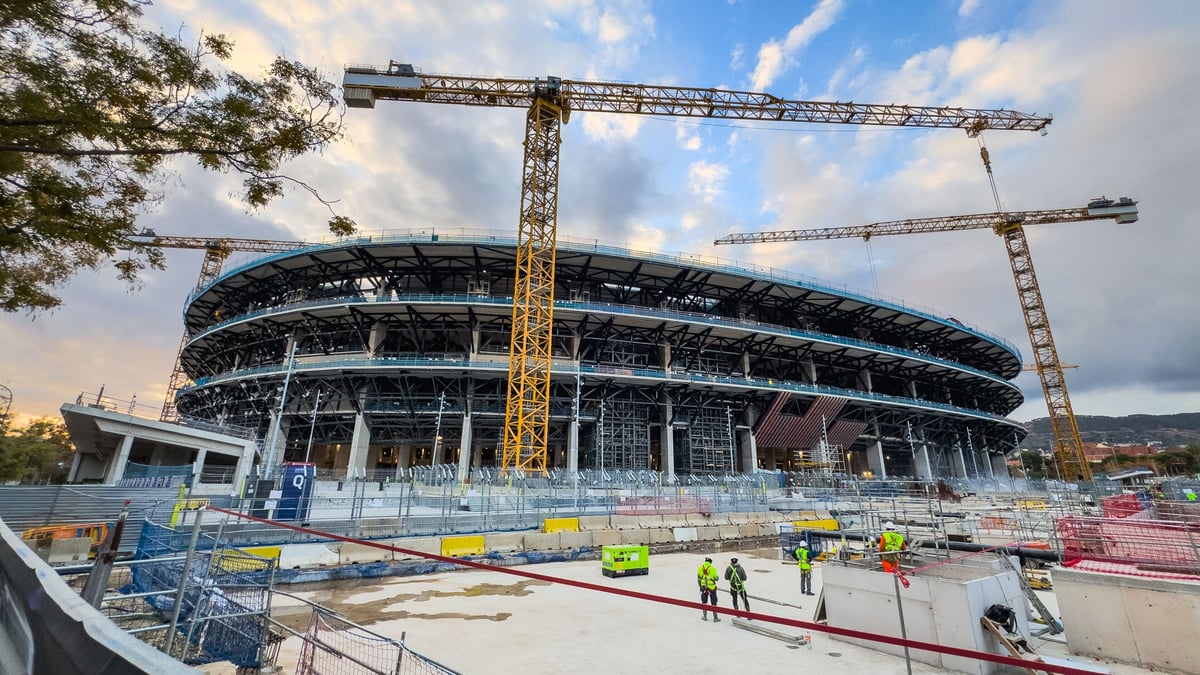
The stadium — officially Spotify Camp Nou since 2022 — has been undergoing a roughly €1.5 billion renovation (the Espai Barça project) since June 2023, transforming it into a 105,000-seat stadium with a full solar roof. FC Barcelona returned to play matches there in November 2025, and it's currently operating at reduced capacity (around 62,000 seats as of spring 2026) while work continues. The catch for visitors: the team playing there again does not mean the tourist tour is back to normal. The pitch, dressing rooms, and tunnel remain off-limits to tours during construction.
What you can actually visit: the Barça Immersive Tour
The only visitor option in 2026 is the Barça Immersive Tour, which replaced the old Camp Nou Experience. For roughly €28–€36 (confirm current pricing and exactly what's included when booking, as the format keeps evolving with the construction), it includes:
The FC Barcelona Museum — the genuinely excellent 2,400 m² museum, the most-visited in Barcelona, with the trophy collection, Messi-era history, and club heritage. This is the real substance of the visit.
A 360° immersive room — "Spotify Camp Nou Live," a multimedia experience recreating big-match atmosphere and historic moments.
A construction viewpoint — an authorized spot overlooking the rebuild in progress: the dismantled tiers, the structural frame, the cranes. Most people spend 5–10 minutes here.
Audio guide included.
What it does not include, that the old tour did: walking out through the tunnel, sitting in the dugout, seeing the dressing rooms, or standing pitchside. If that pitch-level experience is what you're picturing, it's not available right now.
Is it worth visiting in 2026?
Honest answer: it depends entirely on how much you care about FC Barcelona. For a dedicated Barça fan, the museum alone justifies the trip, and there's a genuine one-time appeal — the mid-rebuild construction viewpoint is something you'll never see again once the stadium reopens. For a casual visitor hoping to walk the famous pitch and tunnel, this is the wrong year; you'd be paying full price for a museum and a construction view, not the iconic stadium tour. If you're not a committed fan, consider spending that time and money on Barcelona's other sights and saving the real stadium tour for a future trip.
What's coming, and when
The full stadium tour — pitch, tunnel, dressing rooms — is expected to return once renovation completes, projected for late 2026 into 2027, with full completion (the 105,000-seat capacity and finished roof) anticipated around 2027. Timelines on this project have slipped repeatedly, so treat any reopening date as provisional. If seeing the complete, modernized Spotify Camp Nou is your goal, a 2027-or-later visit will deliver the real thing; check the official FC Barcelona site for the current tour status before you plan around it.
Can you go to an actual match instead?
If you're a football fan visiting during the season, watching FC Barcelona play at the partially reopened stadium is a far better experience than the museum tour right now — you get the real atmosphere the immersive room only simulates. Tickets go on sale through official club channels ahead of each match; prices vary wildly by opponent and seat, and big games (El Clásico against Real Madrid, Champions League nights) sell out fast and cost a premium. Buy only through official FC Barcelona channels to avoid resale scams, and note that with reduced capacity during construction, availability is tighter than it will be once the full stadium reopens. For many fans, timing a visit around a home match turns "the stadium is under renovation" from a disappointment into a highlight.
Practical details
Getting there: the stadium is in Les Corts, west of the center — metro L3 (Les Corts or Palau Reial) or L5 (Collblanc/Badal), about 20–30 minutes from downtown.
When to go: mornings from opening (around 10am) or mid-afternoon are quietest; it remains one of Barcelona's most visited attractions even in museum-only form.
Book online ahead for timed entry and the best price; don't rely on walking up.
Verify before you commit: because the offering shifts with construction phases, confirm on the official site exactly what your ticket includes on your dates — this is the one Barcelona attraction where "what's open" genuinely changes month to month.
FAQ
Can you tour Camp Nou in 2026?
Not the classic tour. During the renovation, the pitch, dressing rooms, and tunnel are closed to visitors. The only option is the Barça Immersive Tour — the FC Barcelona Museum, a 360° immersive room, and a construction viewpoint.
How much is the Camp Nou / Barça Immersive Tour?
Roughly €28–€36 depending on the ticket tier and what's included. Prices and the exact experience shift with the construction phases, so confirm on the official FC Barcelona site when booking.
Is it worth visiting during the renovation?
For dedicated Barça fans, yes — the museum is excellent and the mid-rebuild construction view is a one-time sight. For casual visitors hoping to walk the pitch and tunnel, it's worth waiting until the full tour returns.
When will the full stadium tour return?
Expected late 2026 into 2027, with full stadium completion projected around 2027 — but the timeline has slipped repeatedly. Check the official site for current status before planning around it.
Is FC Barcelona playing at Camp Nou now?
Yes — the team returned to play matches there in November 2025 at reduced capacity (around 62,000 seats) while construction continues. Match attendance is separate from the visitor tour, which remains museum-based.