Barcelona has one of Europe's best transit systems, and for visitors it comes down to a single decision: T-casual or Hola Barcelona? Get that right and you'll glide around the city for a few euros a day; get it wrong and you'll either overpay or get stopped at the airport gate with the wrong ticket. Here's how the metro actually works, which pass fits your trip, and the traps that catch Americans.
The interchanges you'll actually use
Plaça de Catalunya — Where the Aerobús & centre meet
Barcelona Sants — Main long-distance train station
Pg. de Gràcia (station) — Central rail/metro interchange
Barceloneta Beach — City beach, walkable from El Born
How the system works
Metro, city buses, trams, the Montjuïc funicular, and FGC and Rodalies trains within the city all run on one integrated fare system. The key concept: almost everything you'll want is in Zone 1 — the entire center, the beach, Park Güell, Montjuïc. Roughly 95% of visitors never leave it. Within Zone 1, one validated fare gives you up to 75 minutes with free transfers between modes, so hopping metro-to-bus on a single ride costs one trip, not two.
The metro runs about 5am to midnight on weekdays, later on Fridays, and all night on Saturdays — genuinely useful for a late night out. Keep your validated ticket until you exit; inspectors check inside trains and corridors, and the fines for fare-dodging are steep.
The two passes that matter
T-casual — 10 rides, best for most
Ten journeys in Zone 1 for roughly €13 (around €1.30 a ride versus about €2.65 for a single). It's the workhorse for independent travelers who walk a lot and ride a handful of times a day. One catch that trips up groups: T-casual is personal — one person only. Two travelers can't share a single card; the 75-minute transfer window doesn't let a second person tap in. For couples, buy two, or look at the T-familiar (8 shared rides) for small groups.
Hola Barcelona — unlimited, best for heavy days
Unlimited travel for a fixed window — 48, 72, 96, or 120 hours — starting around €18 for 48 hours. It makes sense if you'll ride a lot each day or value not counting trips, and it has one decisive advantage: it includes the airport metro, which T-casual does not. For a packed 3-day sightseeing blitz, the math often favors Hola; for a slower trip with lots of walking, T-casual usually wins.
T-casual
Hola Barcelona
What you get
10 rides, Zone 1
Unlimited, 48–120h
From
~€13
~€18 (48h)
Shareable?
No — one person
No — one person
Airport metro?
No
Yes
Best for
Walkers, light riders
Heavy daily use, airport
Fares reset every January and a 2026 national discount has shifted some single-ticket prices — treat these as current ballparks and confirm at the machine.
The airport trap (worth repeating)
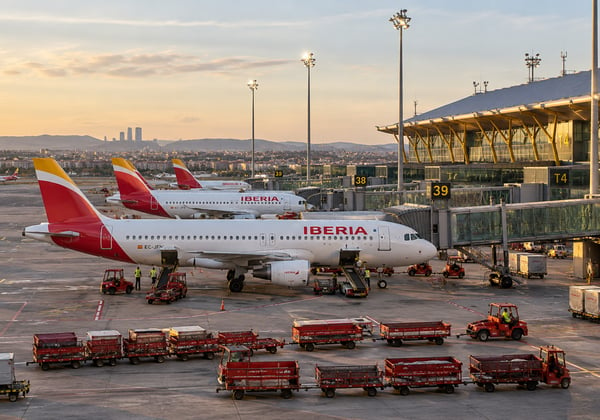
This is the single most common transit mistake: T-casual and standard single tickets do not work at the airport metro (L9 Sud, stations Aeroport T1/T2). That ride needs a special Airport Ticket, around €5.90. Tourists tap around the city all week, head to the airport with rides left on the card, and get stopped at the gates. The Hola Barcelona pass is the exception — it includes the airport metro. If you bought T-casual, just buy the separate Airport Ticket (or take the Aerobús or R2 train instead).
Paying and tapping
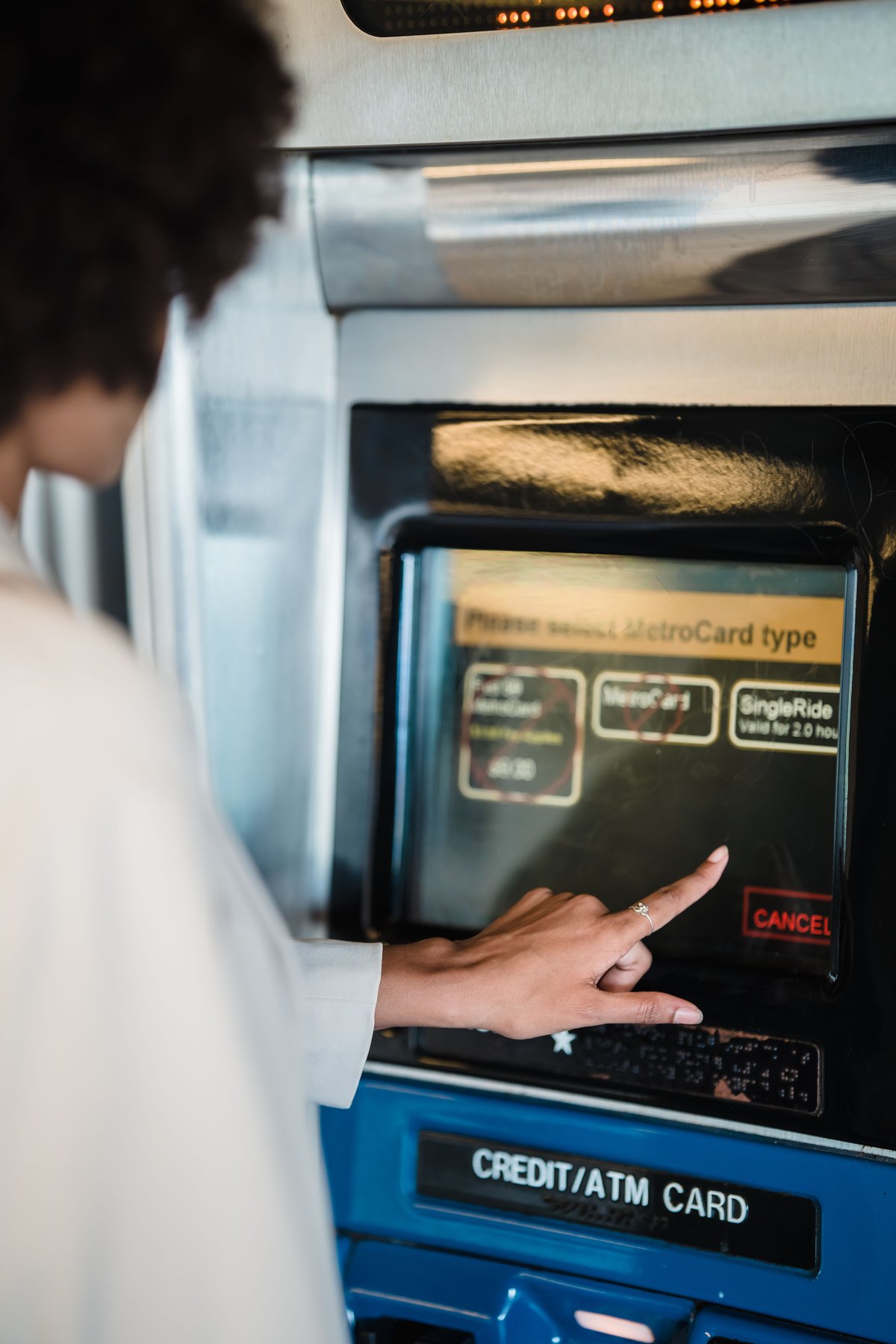
Buy from the machines at any metro entrance — English menus, cards and cash accepted. The cards load onto a reusable T-mobilitat card (a small one-time fee) or, increasingly, a phone app.
Tap on entry at the metro gate; on buses and trams, tap the reader as you board.
Transfers are free within 75 minutes — but you still tap each time so the system links the journey.
Contactless bank-card tap-to-ride is rolling out but not yet universal across all modes; the dedicated cards remain the reliable choice for visitors.
When to skip the metro
Walking beats the metro across the old city — the Gothic Quarter, El Born, and El Raval are dense, pedestrian, and faster on foot than waiting for a train two stops. The Eixample grid is deceptively large, though, so save the metro for crossing town (Sagrada Família to Montjuïc, say) and walk the tight neighborhoods. For Park Güell's hill or a late-night ride home, the metro earns its fare.
Traveling with kids or luggage
Children under 4 ride free, so a family of four with two small kids only needs two adult fares. Most central metro stations have escalators, and major interchanges have elevators, but plenty of older stations are stairs-only — worth checking if you're hauling a stroller or big suitcase. For the airport run with luggage, the Aerobús or the R2 train handle bags more comfortably than the metro's L9 with its transfer. On crowded trains keep kids close and bags in front; the same pickpocket habits apply whether you're solo or wrangling a family.
Quick recommendations by trip
Solo, 3–4 days, lots of walking: one T-casual usually covers it; top up if you run out.
Couple: two T-casuals, or two Hola passes if you'll ride heavily.
Packed sightseeing blitz / arriving by airport metro: Hola Barcelona, sized to your stay.
Family of 3–4: compare T-familiar (shared 8 rides) against individual passes.
FAQ
T-casual or Hola Barcelona — which should I buy?
T-casual (10 rides, ~€13) suits independent travelers who walk a lot; Hola Barcelona (unlimited, from ~€18 for 48h) suits heavy daily use and includes the airport metro. Choose by how much you'll actually ride.
Can two people share a T-casual card?
No — it's personal, one rider. Couples need two cards, or can look at the shareable T-familiar (8 rides) for small groups.
Does the metro card work from the airport?
T-casual and single tickets do not work at the airport metro — you need a separate Airport Ticket (~€5.90). Only the Hola Barcelona pass includes the airport metro.
How much is a single metro ride?
Around €2.65 in Zone 1, versus roughly €1.30 per ride on a T-casual — which is why almost no one buys singles. Prices reset each January; confirm at the machine.
Is the Barcelona metro safe at night?
Yes, and it runs all night on Saturdays. The main risk is pickpocketing in crowds, not violence — keep bags zipped and your phone away on busy platforms and trains.