Two new European border systems — EES and ETIAS — have caused a lot of confusion and a lot of scam websites aimed at American travelers. Here's the calm, accurate version as of 2026: one system is live and you barely interact with it, the other isn't live yet and you don't need it for a trip this year. This guide explains exactly what each is, what you actually have to do, and how to avoid the fraudulent sites charging for things that don't exist yet.
The 30-second version
EES (Entry/Exit System): fully live as of 2026 (rolled out from late 2025). It's a biometric border check — fingerprints and a photo instead of a passport stamp. You don't apply or pay; border officers handle it. Just allow extra time.
ETIAS (travel authorization): not live yet, and the EU has not announced a start date — it says it will give several months' notice before ETIAS begins. When it does launch, it will be a quick online form and a small fee before you fly. For trips in 2026, you almost certainly don't need it — a valid passport is enough.
The scams: any site charging you for ETIAS right now is fraudulent, because the real system isn't operating yet.
EES: the one that's live
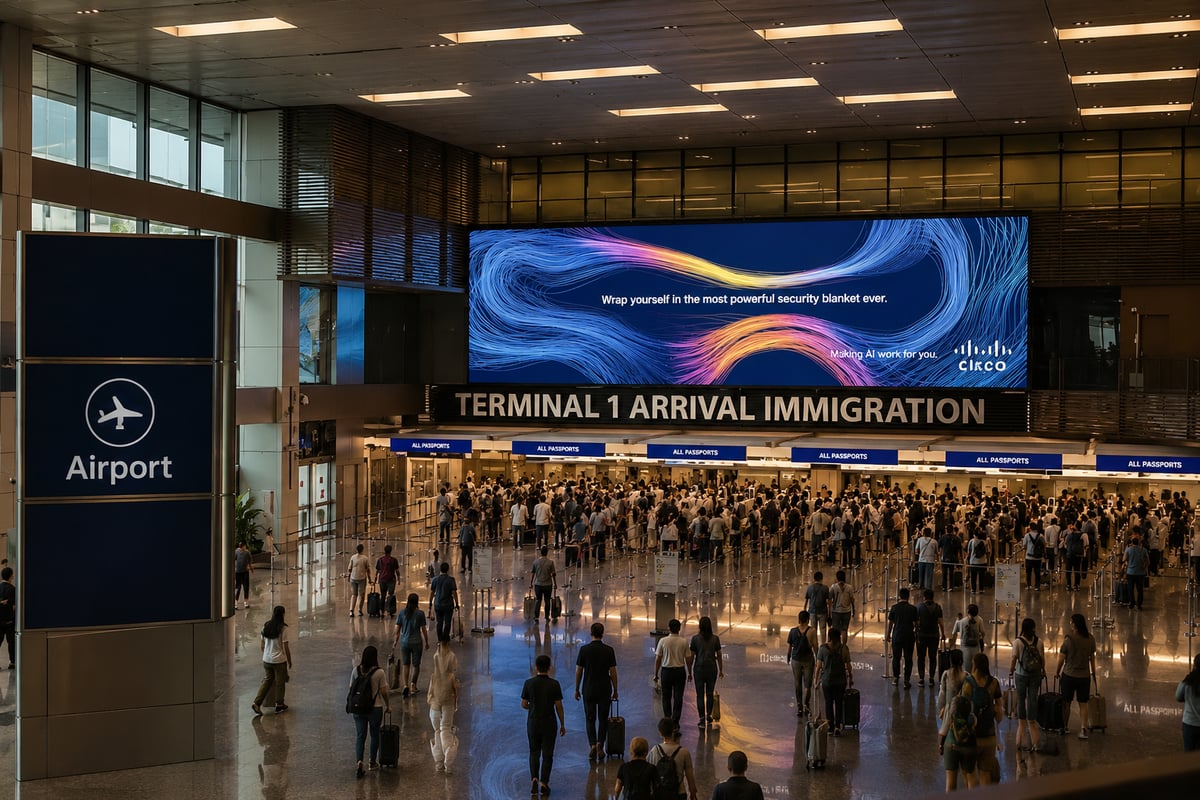
The Entry/Exit System began rolling out in October 2025 and became fully operational at all Schengen borders by April 2026. It replaces the old passport-stamp routine with a digital record: on your first entry, the border captures your fingerprints and a facial photo, linked to your passport, and logs each entry and exit electronically. The goal is to track the 90-day limit accurately and tighten security.
What this means for you as a traveler is simple but worth preparing for:
You don't apply or pay for EES. It happens at the border.
Your first entry takes longer. The biometric capture adds time, so immigration queues — especially at busy hubs — can be slow. Don't book a tight onward connection on arrival.
No more passport stamps. Your entries and exits are recorded digitally instead.
An optional app exists. The EU's "Travel to Europe" app lets you pre-register your passport and photo within 72 hours of arrival at some crossings, potentially speeding things up — optional, and availability varies by country.
ETIAS: the one that's coming (but not yet)
ETIAS (European Travel Information and Authorization System) is a pre-travel authorization — think of it like the US ESTA. When it's live, visa-exempt visitors including Americans will fill out a short online form before traveling, pay a small fee, and receive an authorization linked to their passport, valid for multiple trips over three years (or until the passport expires).
The crucial point for 2026: ETIAS is not operating yet. It's scheduled to launch in the last quarter of 2026 (October–December), and even then there's a transition period of roughly six months during which it isn't strictly mandatory. In practice, if you're visiting Spain in 2026, you can travel with just your passport — no ETIAS application, no fee. When it does launch, expect a fee in the region of €20 (confirm the exact amount at launch, as it has changed), with travelers under 18 and over 70 exempt.
The scam warning that actually matters
This is the part to take seriously. Because ETIAS has been announced (and delayed repeatedly), a wave of fraudulent websites has appeared, charging Americans for "ETIAS applications," "Schengen visa processing," or "EU travel permits" — services that either don't exist yet or aren't needed by US tourists at all. Rules to protect yourself:
There is only one official ETIAS website. When the system launches, apply only through the official EU portal at travel-europe.europa.eu/etias. Don't search and click an ad; type the official address.
Anyone charging you for ETIAS today is a scam — the real system isn't live, so there's nothing legitimate to pay for yet.
US tourists don't need a Schengen visa for stays under 90 days within any 180-day period, so any site selling you "Spain visa processing" is preying on confusion.
The real fee will be small (around €20) and paid once, directly to the official system — not hundreds of dollars to a middleman.
What you actually need for a 2026 Spain trip
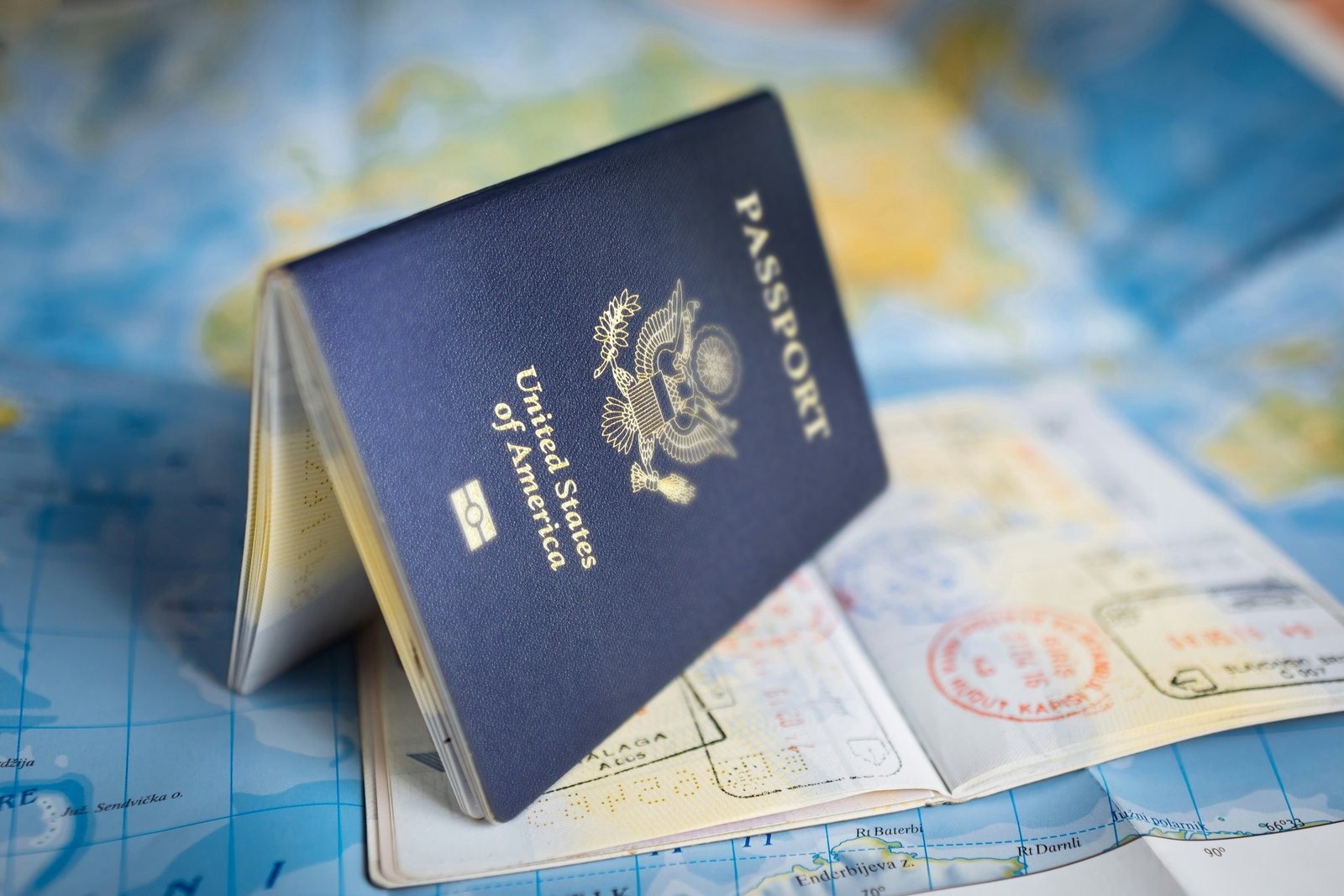
A valid passport — valid at least three months beyond your departure from the Schengen area, issued within the last ten years.
Nothing else mandatory — no visa, no ETIAS (yet), no insurance requirement for US tourists.
Extra time at the border for the EES biometric capture on entry.
Awareness of the 90/180 rule — up to 90 days in any 180-day period across the whole Schengen area.
To check official sources close to your trip — these rules are evolving, and ETIAS timing in particular has shifted repeatedly.
Looking ahead to 2027
If you're planning a trip for 2027 or later, ETIAS will likely be a real step in your prep: a quick online application, the small fee, and your authorization before you fly. It's not onerous — minutes online, not a visa appointment — but it's one more thing to do, and one more reason scammers will keep targeting travelers. Bookmark the official EU site, ignore everything else, and you'll be fine. For now, in 2026, your passport is your ticket.
FAQ
Do Americans need ETIAS to visit Spain in 2026?
No. ETIAS is not in operation and no applications are being collected, and the EU has not published a start date — an earlier “late 2026” window was withdrawn. For now you travel with just a valid passport. No application, no fee.
What is the EES, and do I need to do anything?
The Entry/Exit System, which rolled out from late 2025 and is fully live as of 2026, records your fingerprints and photo at the border instead of stamping your passport. You don't apply or pay — just allow extra time at immigration on entry.
How much will ETIAS cost when it launches?
Expected to be around €20, paid once for a three-year authorization, with under-18s and over-70s exempt. Confirm the exact fee at launch on the official EU site, as it has been revised.
How do I avoid ETIAS scams?
Apply only through the official EU portal (travel-europe.europa.eu/etias) once it's live, and never pay a third-party site. Anyone charging for ETIAS now is fraudulent, since the system isn't operating yet — and US tourists need no Schengen visa.
Will I get a passport stamp anymore?
No — the EES replaces physical stamps with a digital record of your entries and exits, captured biometrically at the border.
Keep planning
Not sure how the slots fit together?
Pick your trip length and we'll route a real day-by-day plan around the timed entries.