Staying connected in Barcelona is easy and cheap if you set it up right — and an expensive, frustrating mess if you don't and rely on your US carrier's roaming. For most American travelers in 2026, an eSIM is the simplest, cheapest answer: you buy data online before you fly, install it in minutes, and land with working internet and no surprise bills. This guide explains your options, how eSIMs work, and how to avoid the roaming-fee trap.
The roaming trap (and why to avoid it)
Your US carrier will happily let you roam in Spain — and depending on your plan, that's either fine or financially painful. Some plans (certain T-Mobile and Google Fi plans, among others) include international roaming, which can be the easiest option if you have it — but check your plan’s specific terms, as coverage and cost vary widely. But many charge $10–15 per day for international "day passes," which over a week adds up to far more than an eSIM costs for the whole trip — or, worse, bill you per-megabyte at ruinous rates if you don't add a pass. Check your specific plan before you go. If it includes Europe cheaply, great; if it's a daily fee, an eSIM almost always wins.
What an eSIM is and why it's the easy answer
An eSIM is a digital SIM card — no physical card to swap. You buy a Spain or Europe data plan from an eSIM provider's app or website, receive a QR code, scan it to install, and switch it on when you land. Your US number stays active on your normal SIM for calls and texts (over wifi/iMessage), while the eSIM handles cheap local data. Benefits:
Cheap: a week of solid data is typically $5–$20 depending on the data amount — far less than daily roaming fees.
Set up before you fly: install at home, activate on arrival, no hunting for a shop.
Keep your number: your US line stays reachable for texts and calls over wifi.
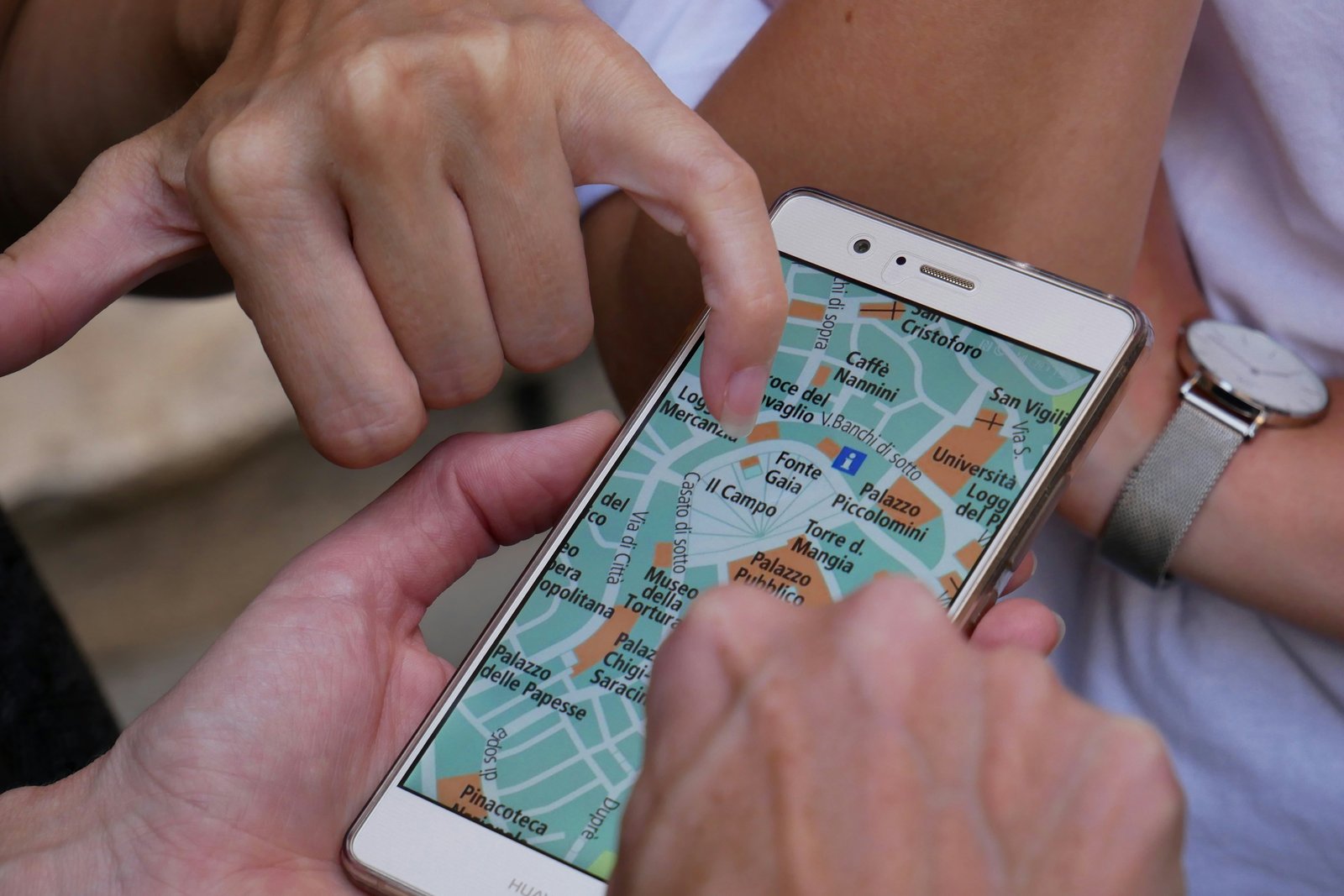
Instant: working data the moment you land, including for maps and your ride to the hotel.
Requirement: your phone must be eSIM-compatible (all recent iPhones from the XS on, and most recent flagship Android phones are) and carrier-unlocked. Check both before relying on this.
The main eSIM providers
Several reputable providers serve Spain/Europe; they're similar, so pick on price and data for your trip length:
Airalo — the best-known, huge country coverage, simple app.
Holafly — popular for unlimited-data plans (good for heavy users).
Saily, Nomad, aloSIM and others — competitive alternatives worth price-comparing.
Your carrier's own eSIM add-on — sometimes available, but usually pricier than a dedicated provider.
Buy a Spain or Europe regional plan; the regional ones are handy if your trip includes other European countries. Match the data allowance to your use — light users (maps, messaging) need little; heavy users (streaming, hotspot) should size up or go unlimited.
The alternatives
Physical local SIM: buy a Spanish SIM (Orange, Vodafone, Movistar) at the airport or a shop — cheap data, but you need an unlocked phone, must swap your SIM, and it takes time on arrival. The eSIM does the same job with none of the hassle.
Pocket wifi hotspot: a rentable device sharing data across devices — useful for families or groups, but an extra gadget to carry and charge; usually overkill for solo or couple travelers.
Wifi only: Barcelona has widespread café, hotel, and some public wifi — you can travel data-free and just use wifi, but you'll be navigation-less between hotspots, which is impractical for maps and ride apps. Not recommended as your only plan.
How to set it up (the simple version)
Confirm your phone is eSIM-compatible and unlocked.
Buy a Spain/Europe eSIM from a provider app a day or two before you fly.
Install the eSIM via the QR code/app while still home (on wifi) — but don't activate the data plan until you arrive (or set it to start on your travel date).
On landing, turn on the eSIM line for data, set it as your data line, and turn OFF data roaming on your US line to avoid accidental charges.
Keep your US line on for calls/texts over wifi, with cellular data off for that line.
That's it — working maps and internet from the moment you land, for a few dollars.
Practical tips
Set it up at home — installing while you have reliable wifi avoids stress on arrival.
Turn off US-line data roaming to prevent surprise carrier charges.
Buy a little extra data — maps, translation, and ride apps use more than you'd think; topping up is easy if you run low.
WhatsApp is king in Spain — locals, restaurants, and tours use it; have it installed.
Download offline maps (Google Maps offline area) as a backup.
For a multi-country trip, a Europe-regional eSIM saves buying separate plans per country.
FAQ
What's the best way to get phone data in Barcelona?
For most US travelers, an eSIM — buy a Spain or Europe data plan online before you fly (typically $5–20 for a week), install via QR code, and activate on arrival. It's far cheaper than US carrier roaming day-fees.
Will my US phone work in Spain?
Yes, if it's unlocked — but check your plan's roaming terms. Some include cheap Europe data; many charge $10–15/day, in which case an eSIM is much cheaper. Your phone also needs eSIM support (recent iPhones and flagship Androids have it).
Which eSIM provider is best?
Airalo is the best-known with wide coverage; Holafly is popular for unlimited data; Saily, Nomad, and aloSIM are competitive. They're similar — pick on price and data for your trip length, and buy a Spain or Europe regional plan.
Do I keep my US phone number with an eSIM?
Yes — the eSIM handles local data while your US SIM stays active for calls and texts over wifi. Just turn off data roaming on your US line to avoid charges, and use the eSIM as your data line.
Can I just use wifi instead?
You can, but it's impractical as your only plan — you'd have no maps or ride apps between hotspots. Barcelona has plenty of café and hotel wifi, but a cheap eSIM for always-on data is well worth it.
Keep planning
Not sure how the slots fit together?
Pick your trip length and we'll route a real day-by-day plan around the timed entries.