If a line for "tourist tax" shows up on your Barcelona hotel bill, it's not a scam or a hidden fee — it's a legitimate, officially mandated charge, and it went up notably in 2026. Here's exactly what it is, what you'll actually pay by accommodation type, and the details (who's exempt, when it's charged) that determine the final number — so there are no surprises at check-in.
What the tourist tax is
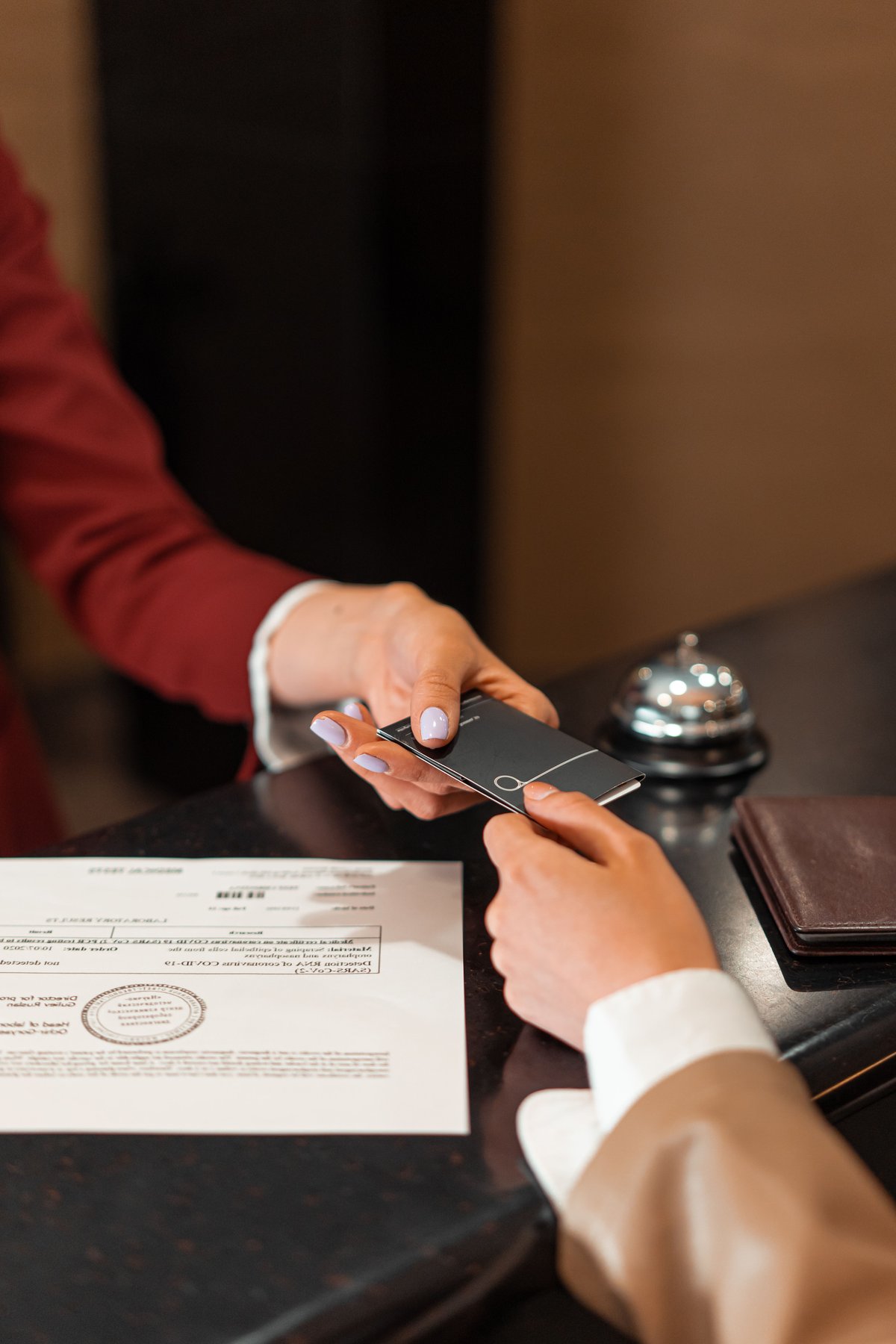
Catalonia levies a tax on overnight stays in tourist accommodation — officially the IEET (the tax on stays in tourist establishments) — and the city of Barcelona adds its own surcharge on top. You, the guest, pay it; the hotel collects it and passes it to the regional tax authority. It applies across hotels, aparthotels, guesthouses, and licensed tourist apartments, and it's almost always paid at check-in or check-out, separately from your room rate — which is why it can feel like a surprise if you booked a "total" price online that didn't include it.
What you'll pay in 2026
The rates rose on 1 April 2026. In the city of Barcelona, the current total (the Catalan regional rate plus Barcelona's municipal surcharge), charged per person, per night, is approximately:
These are the official figures in force from April 2026; lower-category hotels and other establishment types fall in between. Rates are set by the Catalan tax authority and have been rising in recent years, so always treat these as current-but-changeable and confirm the exact figure when you book.
The details that change your total
It's per person, not per room. Two adults sharing a room each pay the nightly rate — so a couple's tax is double the per-person figure.
Only ages 16 and over pay. Children under 16 are exempt, a real saving for families.
It's capped at 7 nights. The tax applies only to the first seven consecutive nights in the same accommodation; nights beyond that aren't charged.
It's usually paid on-site. Most hotels collect it at check-in or check-out by card or cash, separate from your prepaid room rate.
Cruise passengers pay too. A separate cruise rate applies to passengers calling at the port, scaled by length of stay.
A worked example
Say two adults stay four nights in a 4-star Barcelona hotel. The tax is €8.40 per person, per night: €8.40 × 2 people × 4 nights = €67.20 total, added at check-in. The same couple in a 5-star for four nights would pay €12.00 × 2 × 4 = €96.00. It's not trip-defining money, but on a longer or higher-end stay it adds up enough to be worth budgeting rather than being startled by.
Why it went up
The increase is part of Barcelona's broader response to over-tourism and a housing affordability crisis. The municipal surcharge in particular is earmarked partly for local priorities including affordable housing, reflecting tension between the city's tourism economy and residents' quality of life. The framework envisions further increases in coming years, so expect the numbers to keep climbing — another reason to confirm the current rate at booking rather than assuming last year's figures.
Tax outside Barcelona and on cruises
Two situations change the math. First, if you base yourself outside Barcelona city — in a Costa Brava town, Sitges, or elsewhere in Catalonia — you pay only the regional rate without Barcelona's €5 municipal surcharge, so the per-night tax drops substantially. For travelers splitting time between the city and the coast, that's a real (if minor) saving on the non-Barcelona nights. Second, cruise passengers calling at Barcelona's port pay their own version of the tax, scaled by how long the ship is in port — those ashore longer pay more. It's typically handled through the cruise line rather than collected from you directly, but it's part of why a Barcelona port call factors into cruise pricing.
What the tax pays for
It's reasonable to wonder where the money goes, especially when you're handed a bill for it. The revenue is split between the Catalan regional government and the city, funding tourism promotion, infrastructure, and — increasingly, and pointedly — local priorities like affordable housing, as Barcelona tries to channel tourism revenue back toward residents feeling the squeeze of over-tourism. Whatever you make of the politics, the tax is a deliberate policy lever, not an arbitrary grab, and understanding that makes the line on your bill easier to accept as a normal cost of visiting a city actively managing its tourism.
How to handle it as a traveler
Budget it in. Add roughly the per-person nightly figure for each adult to your accommodation cost when planning — it's a predictable line item, not a surprise, once you know to expect it.
Don't argue it at the desk. It's a legal charge the hotel must collect; the staff don't set it and can't waive it.
Check whether your booking included it. Some platforms show it separately, some fold an estimate in — knowing avoids a double-take at check-in.
Stay outside the city for a lower rate — accommodations elsewhere in Catalonia (the Costa Brava, nearby towns) don't carry Barcelona's municipal surcharge, so the tax is lower, if you're basing outside the city anyway.
Lower categories pay less — a hostel or budget hotel carries a smaller per-night tax than a five-star, a minor extra point in favor of budget stays.
FAQ
How much is the tourist tax in Barcelona in 2026?
As of April 2026, per person per night in the city: about €12.00 at 5-star hotels, €8.40 at 4-star, €9.50 at licensed tourist apartments, and €6.00 at youth hostels — combining the Catalan regional rate and Barcelona's municipal surcharge.
Is the tourist tax per room or per person?
Per person, per night, for guests aged 16 and over. Two adults sharing a room each pay the nightly rate, so budget double the per-person figure for a couple.
Do children pay the tourist tax?
No — only guests aged 16 and over pay. Younger children are exempt, which is a meaningful saving for families.
When and how do I pay it?
Almost always at the hotel, at check-in or check-out, by card or cash — separately from your room rate. It's capped at the first seven consecutive nights in the same accommodation.
Is the tourist tax a scam?
No — it's a legitimate, officially mandated charge that hotels are legally required to collect. The staff can't waive it. Just budget it in and confirm the current rate when booking.